


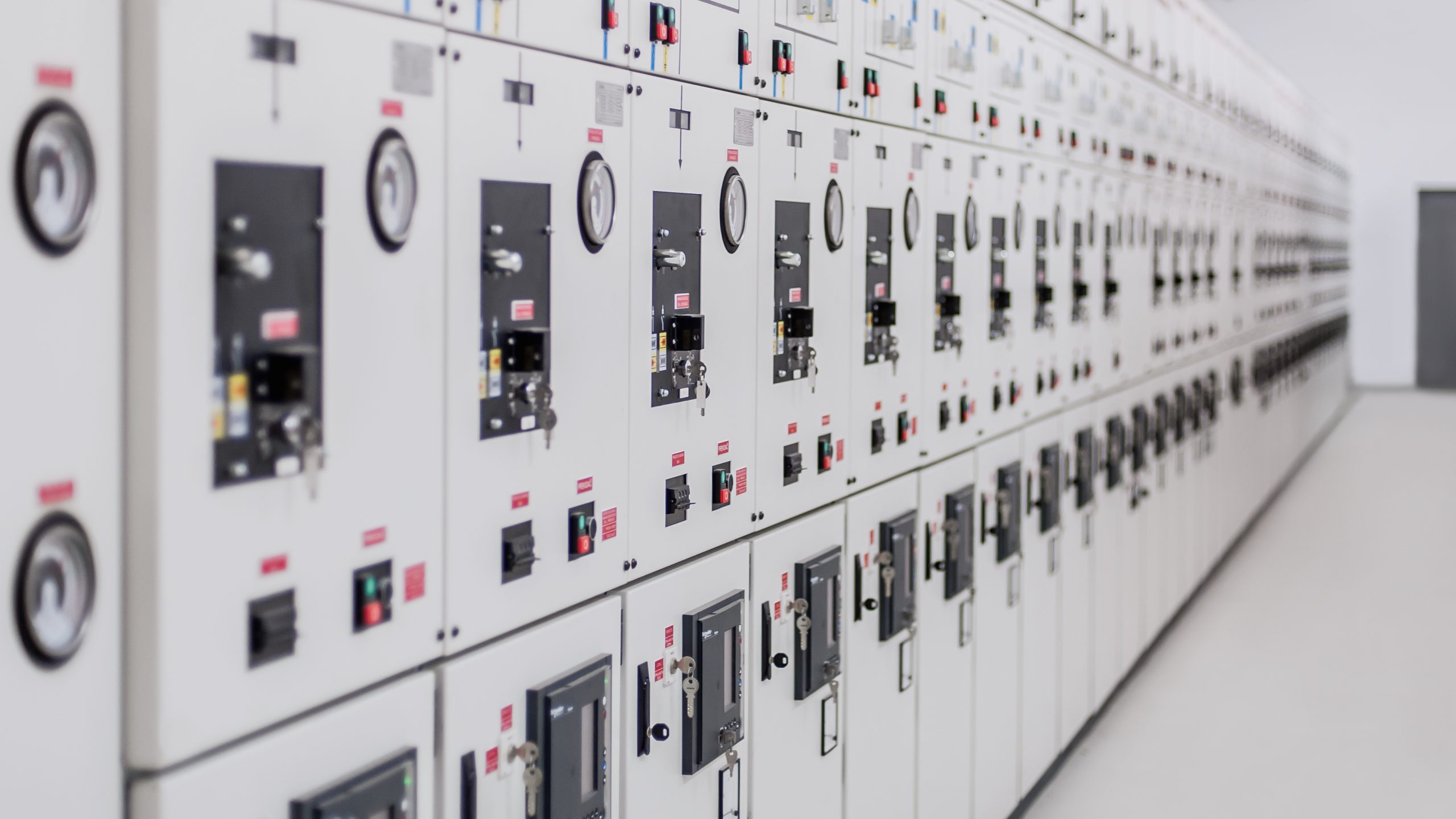
Designing modular switchgear systems has become a cornerstone of modern electrical infrastructure, particularly in applications where scalability, flexibility, and lifecycle efficiency are critical. As power networks evolve—driven by urban expansion, renewable integration, and industrial growth—traditional fixed switchgear solutions often struggle to keep pace with changing requirements. Modular switchgear addresses these challenges by offering adaptable configurations that can be expanded or modified with minimal disruption.
Compact switchgear systems, such as gas-insulated switchgear (GIS) or compact air-insulated designs, are engineered to minimize footprint while maintaining high performance. These systems are widely used in urban substations, commercial buildings, and industrial facilities where space is limited. Their enclosed design enhances safety and reliability by protecting internal components from environmental factors like dust, humidity, and pollution. However, while compact systems excel in space-saving, their scalability can be limited if not initially designed with future expansion in mind.
In contrast, modular switchgear systems are specifically developed to support incremental growth and configuration flexibility. A modular approach divides the switchgear into standardized functional units—such as incoming feeders, outgoing feeders, bus sections, and protection compartments—that can be assembled, extended, or replaced independently. This design philosophy aligns well with dynamic load demands and phased project development.
One of the primary advantages of modular switchgear is scalability. Facilities rarely operate at full capacity from day one; modular systems allow operators to install only the required capacity initially and expand as demand grows. This reduces upfront capital expenditure and improves cash flow management. For example, industrial plants or renewable energy installations can start with a base configuration and add feeders or protection modules as new loads or generation sources are introduced.
Another key benefit is flexibility in design and customization. Modular switchgear enables engineers to tailor configurations to specific project requirements without redesigning the entire system. Different module types can be combined to accommodate varying voltage levels, protection schemes, and control architectures. This is particularly valuable in complex environments such as data centers, mining operations, and smart grids, where operational needs may evolve over time.
Ease of installation and reduced downtime is another significant advantage. Modular units are typically factory-assembled and tested, ensuring consistent quality and reducing on-site work. During expansions or maintenance, individual modules can be added or replaced without shutting down the entire switchboard. This minimizes operational interruptions—a critical factor in industries where downtime translates directly into financial losses.
From a maintenance perspective, modular systems offer improved accessibility and serviceability. Fault isolation becomes simpler, as issues can be confined to a specific module rather than affecting the entire system. Spare parts management is also streamlined, since standardized modules reduce the variety of components required. This contributes to lower maintenance costs and faster response times.
Future-proofing and adaptability are also central to modular switchgear design. With the increasing integration of digital monitoring, automation, and renewable energy sources, electrical systems must be capable of accommodating new technologies. Modular architectures make it easier to upgrade protection relays, integrate communication systems, or incorporate energy management solutions without major structural changes.
Additionally, modular switchgear enhances safety and compliance. Standardized modules are designed and tested according to international standards, ensuring consistent performance and protection levels. Segregation between compartments reduces the risk of internal faults propagating, thereby improving personnel safety.
In conclusion, while compact switchgear systems provide efficient solutions for space-constrained environments, modular switchgear systems offer a more versatile and future-ready approach. Their scalability, flexibility, ease of maintenance, and adaptability make them an ideal choice for modern power distribution networks. As industries continue to demand resilient and expandable electrical infrastructure, modular switchgear stands out as a strategic investment for sustainable growth.
Are you in the market for Modular Switchgears? Contact us today to learn more about how we can meet your procurement needs. Let us be your reliable partner in powering a safer, reliable, and more efficient future.
Comments are closed