


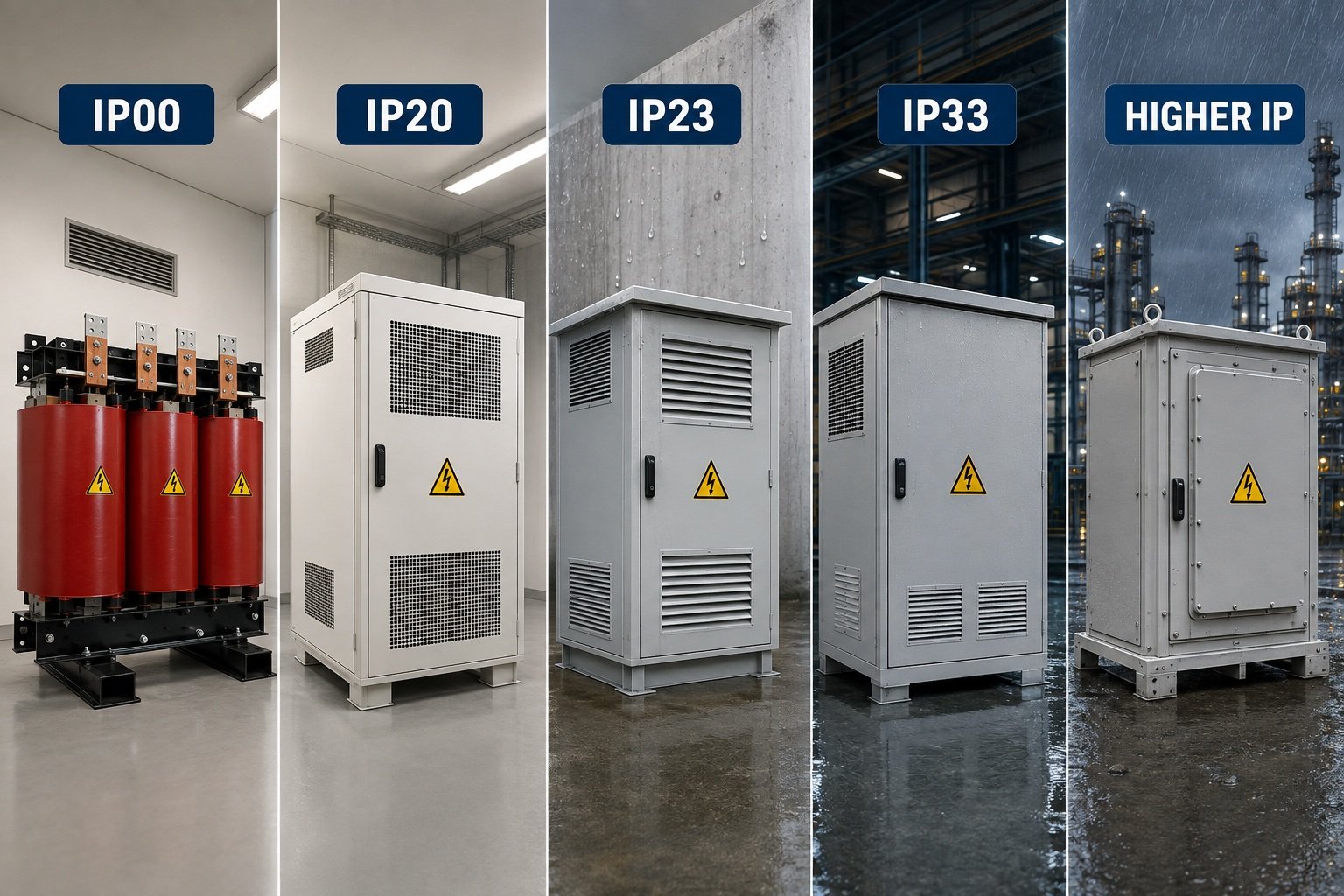
Cast resin dry-type transformers are widely used in commercial buildings, industrial plants, hospitals, data centers, infrastructure projects, and indoor substations because of their fire performance, low maintenance requirements, and suitability for installation close to electrical loads. However, one important specification that is sometimes treated as a secondary detail is the transformer enclosure IP rating.
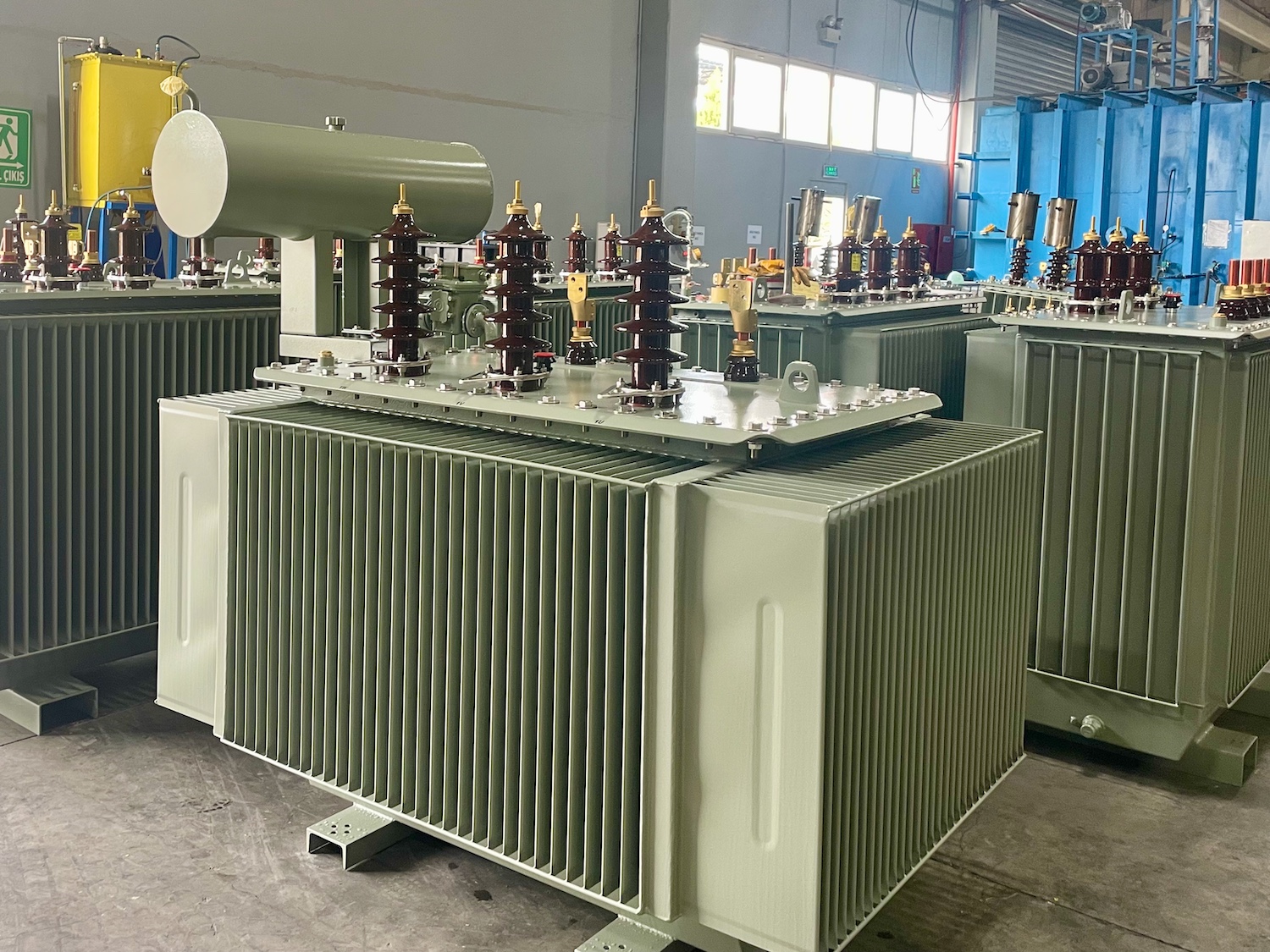
Medium voltage (MV) transformer design and selection is a critical aspect of power system engineering, directly influencing system reliability, efficiency, and lifecycle cost. Typically operating in the range of 1 kV to 36 kV, MV transformers are widely used in industrial facilities, commercial complexes, renewable energy plants, and utility distribution networks. Selecting the right transformer requires a structured evaluation of load characteristics, system requirements, and environmental conditions.
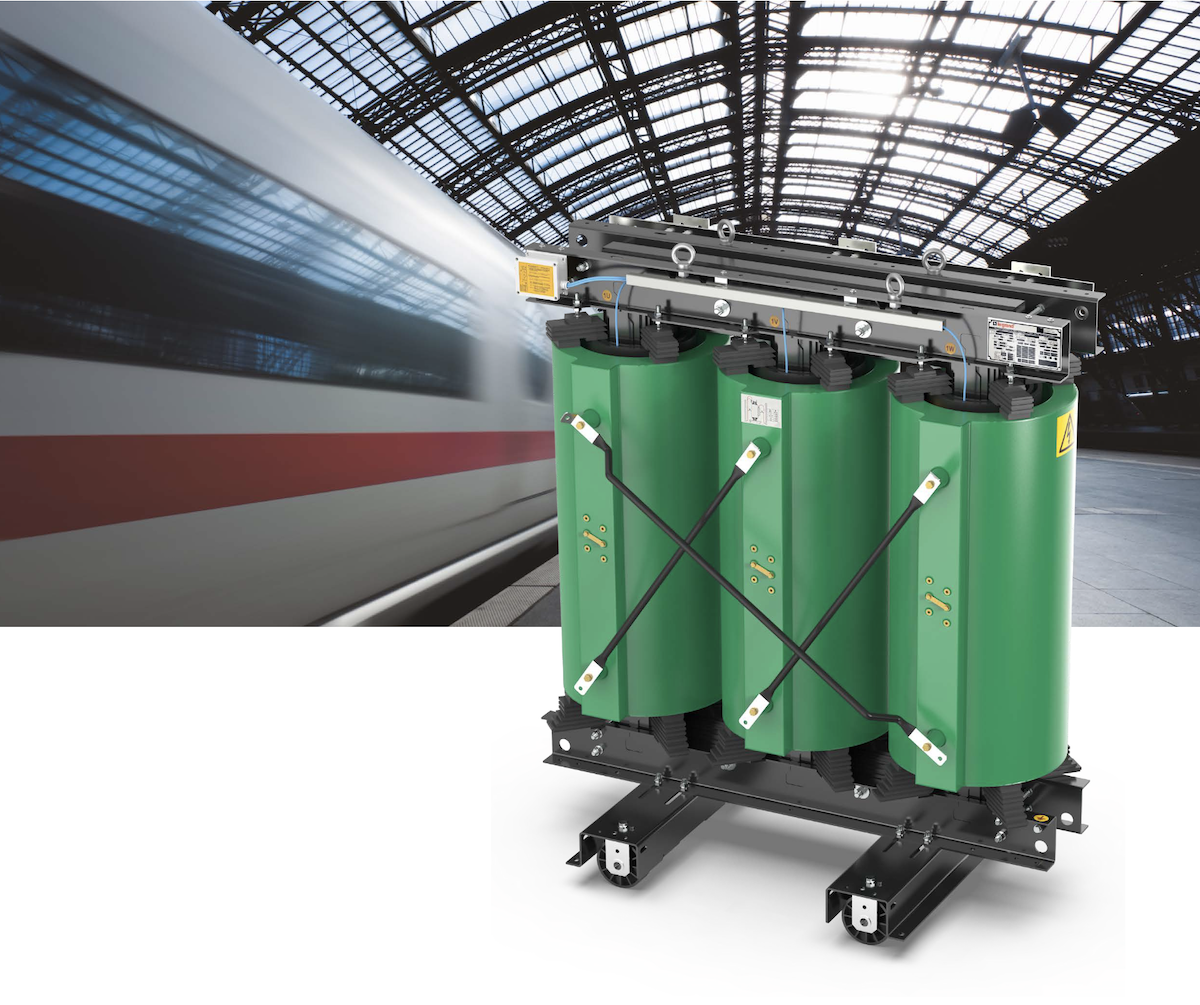
Cast resin dry-type transformers are the preferred solution for indoor electrical installations where safety, reliability, and low maintenance are critical. As electrical power engineers, we have seen a clear shift toward cast resin dry-type transformers for indoor electrical installations across commercial, industrial, and infrastructure projects. This preference is driven by their strong safety profile, operational reliability, and suitability for environments where oil-filled transformers present risks or constraints.
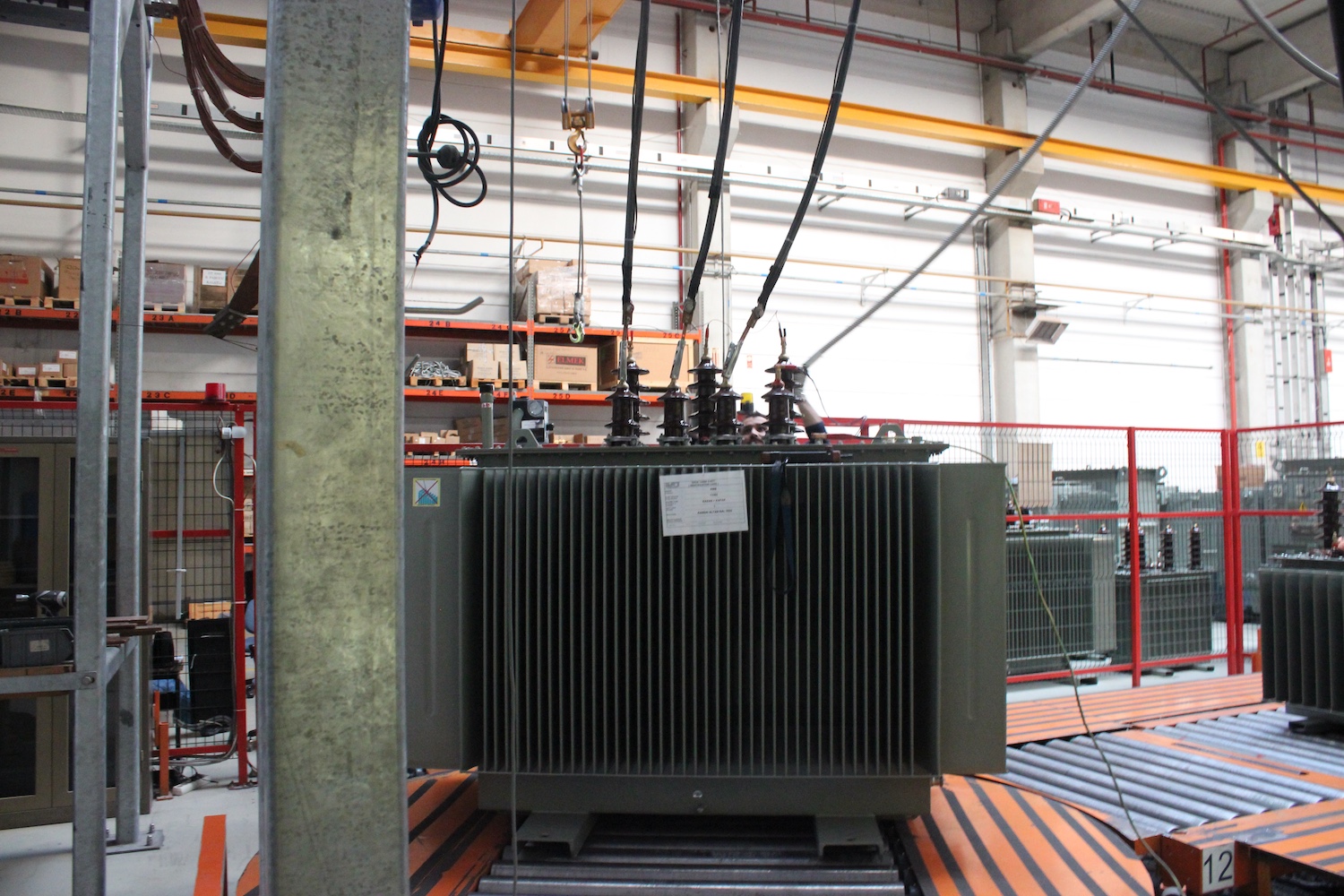
Factory Acceptance Testing (FAT) is a crucial phase in the lifecycle of a power transformer, conducted at the manufacturer’s facility before the equipment is shipped to the project site. FAT ensures that the transformer meets the design specifications, contractual requirements, and relevant international standards such as IEC 60076 or IEEE C57.12. Testing at this stage significantly reduces the risk of failures during commissioning or operation, which could lead to costly delays or damage.
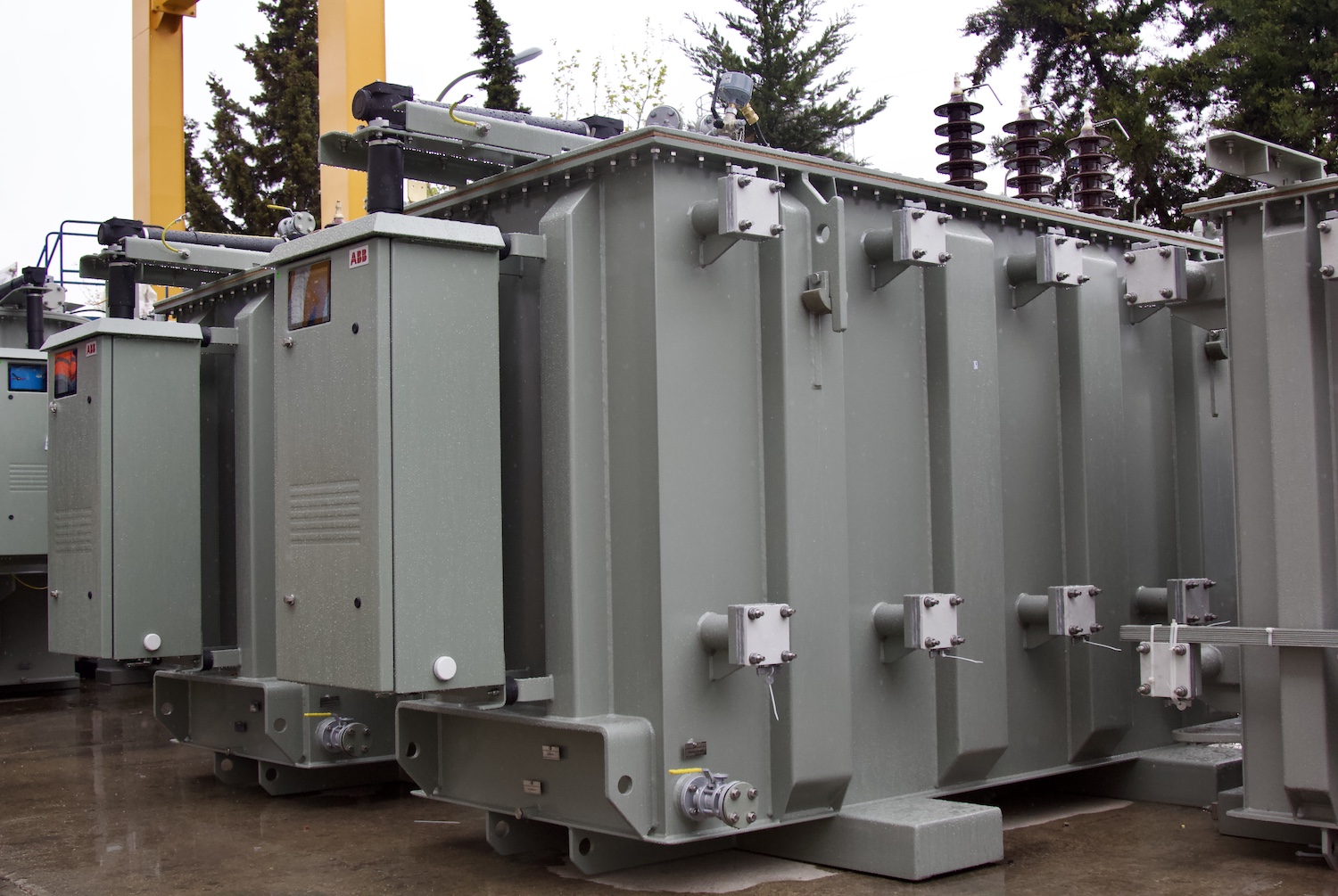
Voltage regulation in transformers is critical to ensuring stable and efficient operation in electrical power systems. Variations in load or supply voltage can lead to deviations from the desired voltage levels, potentially impacting the reliability and performance of equipment and infrastructure. Two primary techniques for regulating transformer voltage are On-Load Tap Changers (OLTC) and Off-Load Tap Changers (Off-Load Options).

Transformers are critical assets in power systems, and ensuring their safety and reliability is essential for uninterrupted power supply. Transformer protection and safety equipment vary based on the type, capacity, and operational environment of the transformer. Here is an overview of protection equipment for oil-filled transformers and cast resin dry transformers, and the rationale behind each.

In the realm of electrical power engineering, the choice of transformer type is crucial for ensuring efficiency, safety, and reliability. Among the various types of transformers, dry cast resin transformers have gained significant preference over oil-filled transformers. This article delves into the reasons behind this preference, the applications of dry cast resin transformers, and their benefits compared to their oil-filled counterparts.