


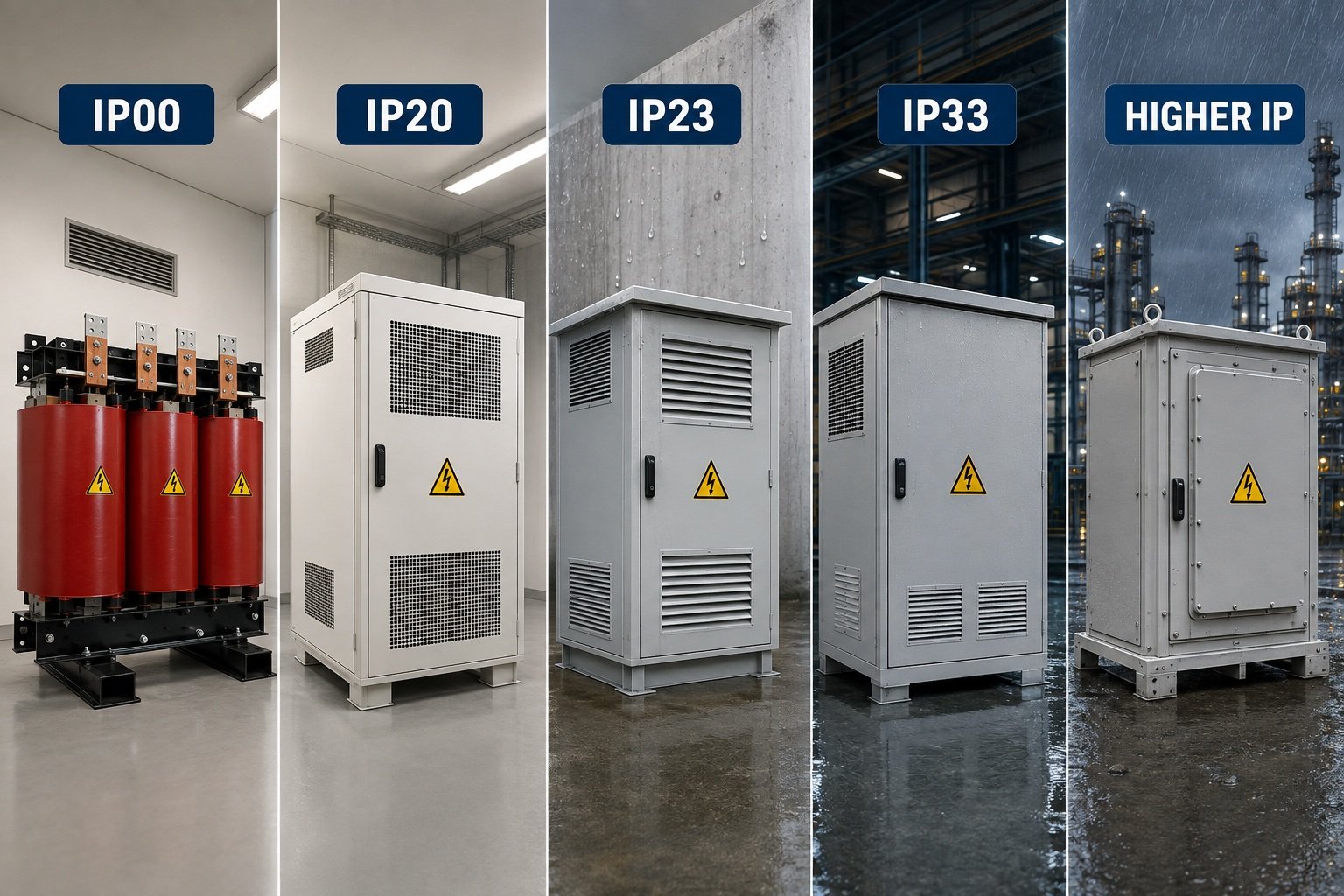
Cast resin dry-type transformers are widely used in commercial buildings, industrial plants, hospitals, data centers, infrastructure projects, and indoor substations because of their fire performance, low maintenance requirements, and suitability for installation close to electrical loads. However, one important specification that is sometimes treated as a secondary detail is the transformer enclosure IP rating.
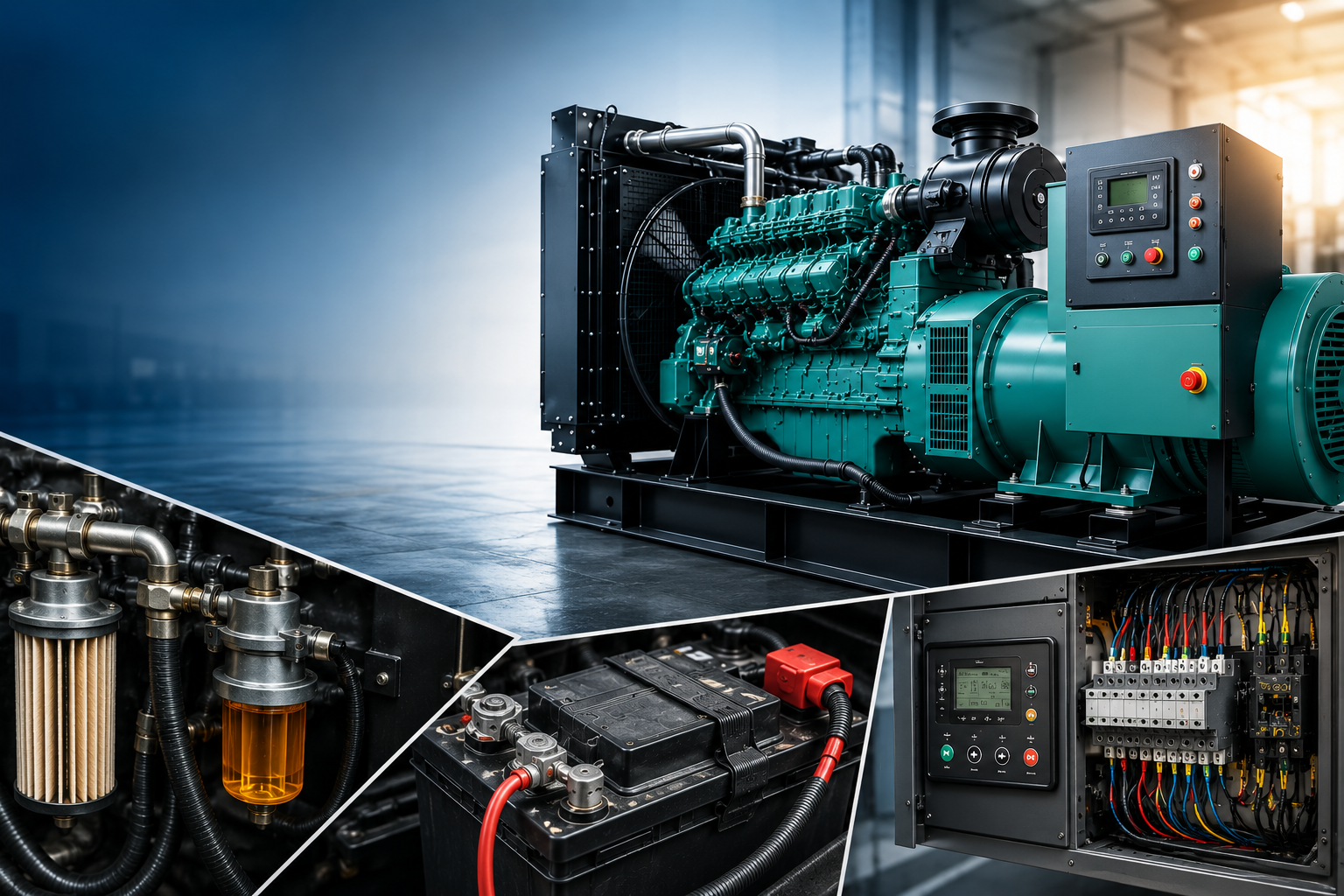
Standby and prime power generators are critical assets for hospitals, manufacturing facilities, data centers, commercial buildings, and utility infrastructure. Despite their robust construction, generators often fail when they are needed most—not because of catastrophic mechanical damage, but due to neglected maintenance or seemingly minor faults. Industry experience consistently shows that fuel system problems, battery failures, and control system issues account for the majority of unexpected generator outages.
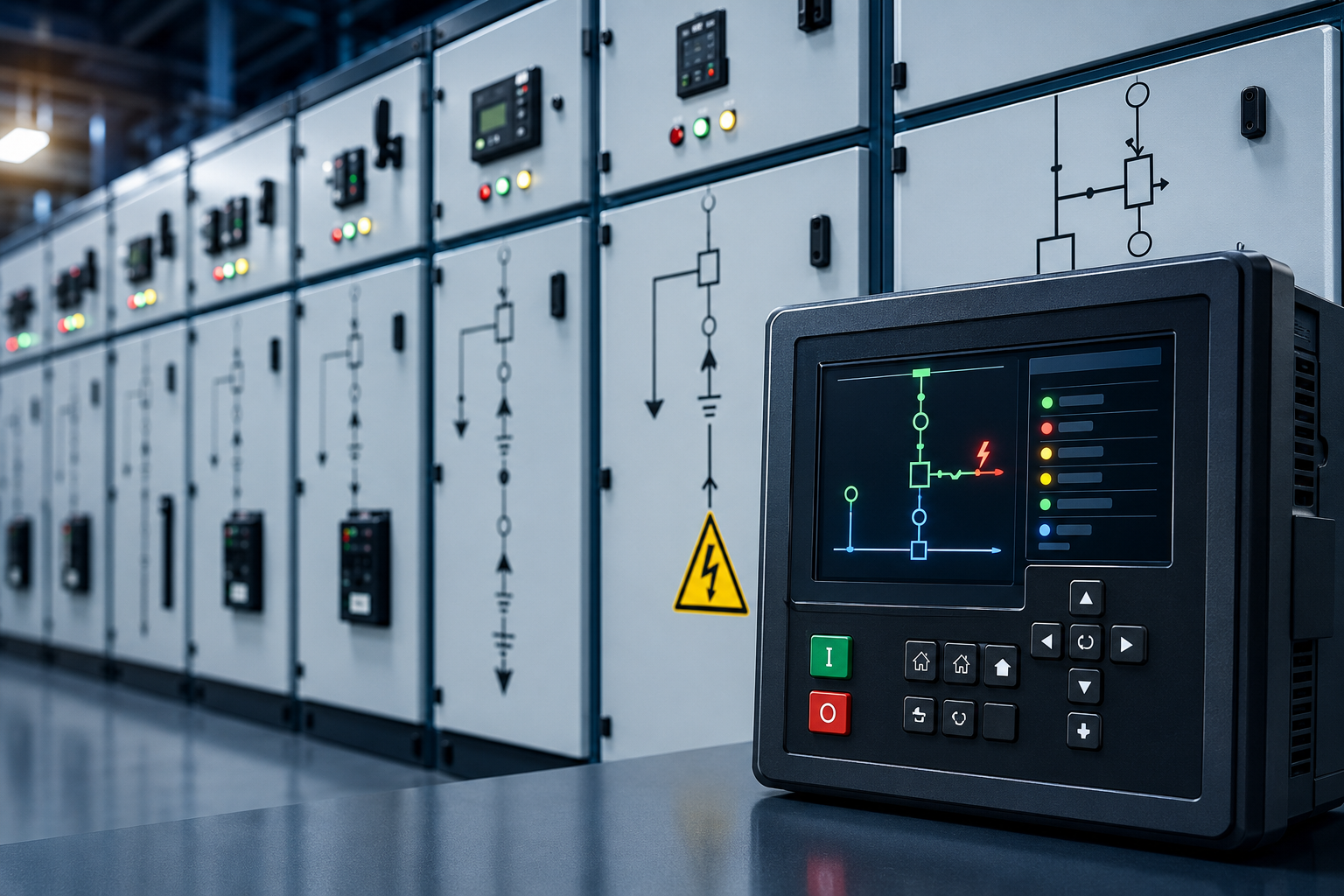
Protection relay coordination is one of the most critical aspects of electrical power system design. Modern switchgear installations rely on intelligent protection relays to detect abnormal operating conditions and isolate only the faulty section of the network while maintaining service continuity to healthy circuits. Proper relay coordination minimizes equipment damage, reduces downtime, enhances personnel safety, and improves overall system reliability.

Lighting plays a critical role in how people perceive and interact with their environment. While energy efficiency and lumen output often receive the most attention, two equally important factors—Color Temperature and Color Rendering Index (CRI)—have a significant impact on productivity, comfort, safety, and overall user experience.
Understanding these lighting characteristics helps engineers, facility managers, architects, and business owners make informed decisions when selecting lighting solutions for different applications.
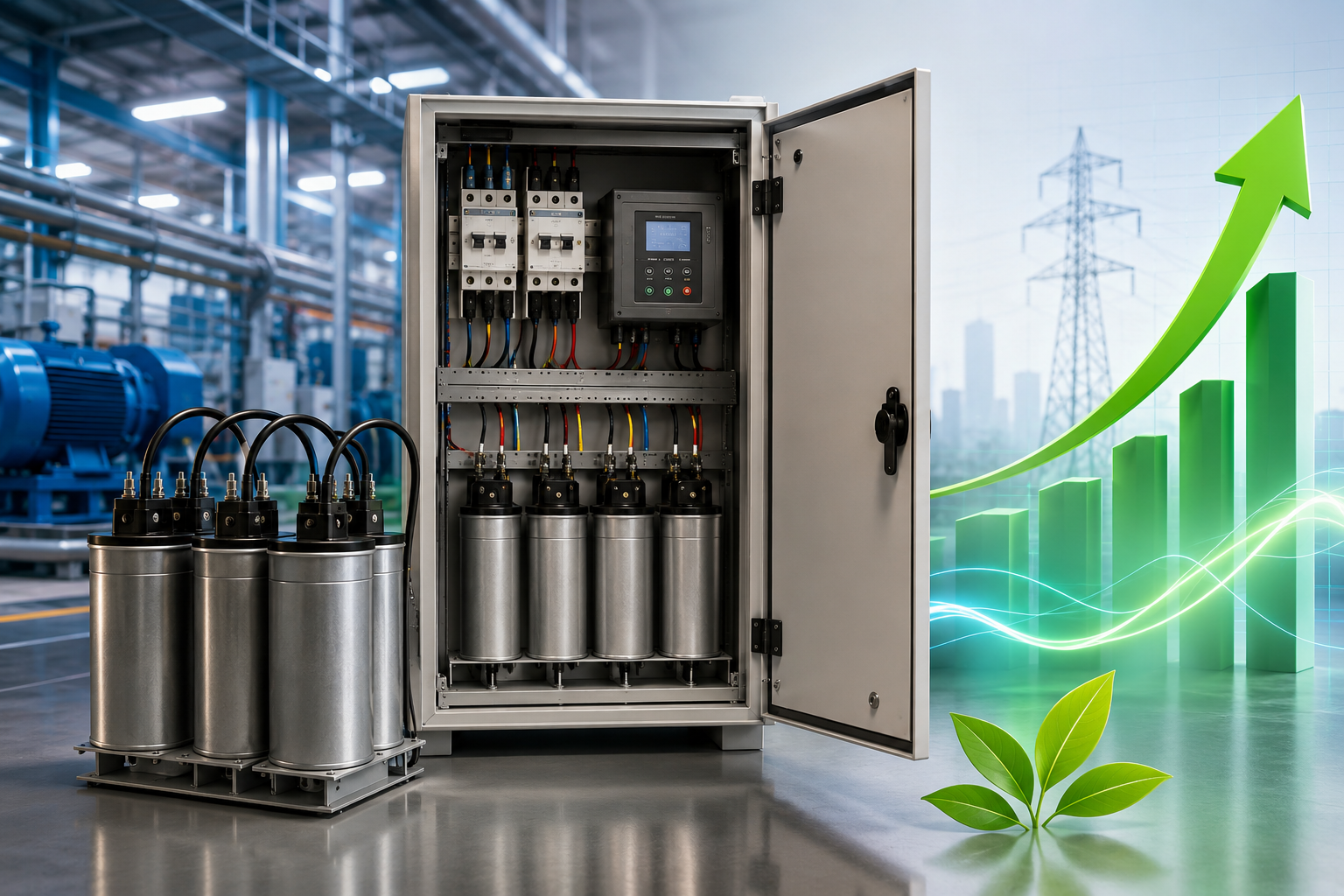
Power Factor Correction (PFC) is a critical technique in electrical power systems used to improve the efficiency of power utilization and reduce energy losses. In industrial and commercial installations, where inductive loads such as motors, transformers, and fluorescent lighting are prevalent, poor power factor is a common issue that leads to higher currents, increased losses, and unnecessary costs.
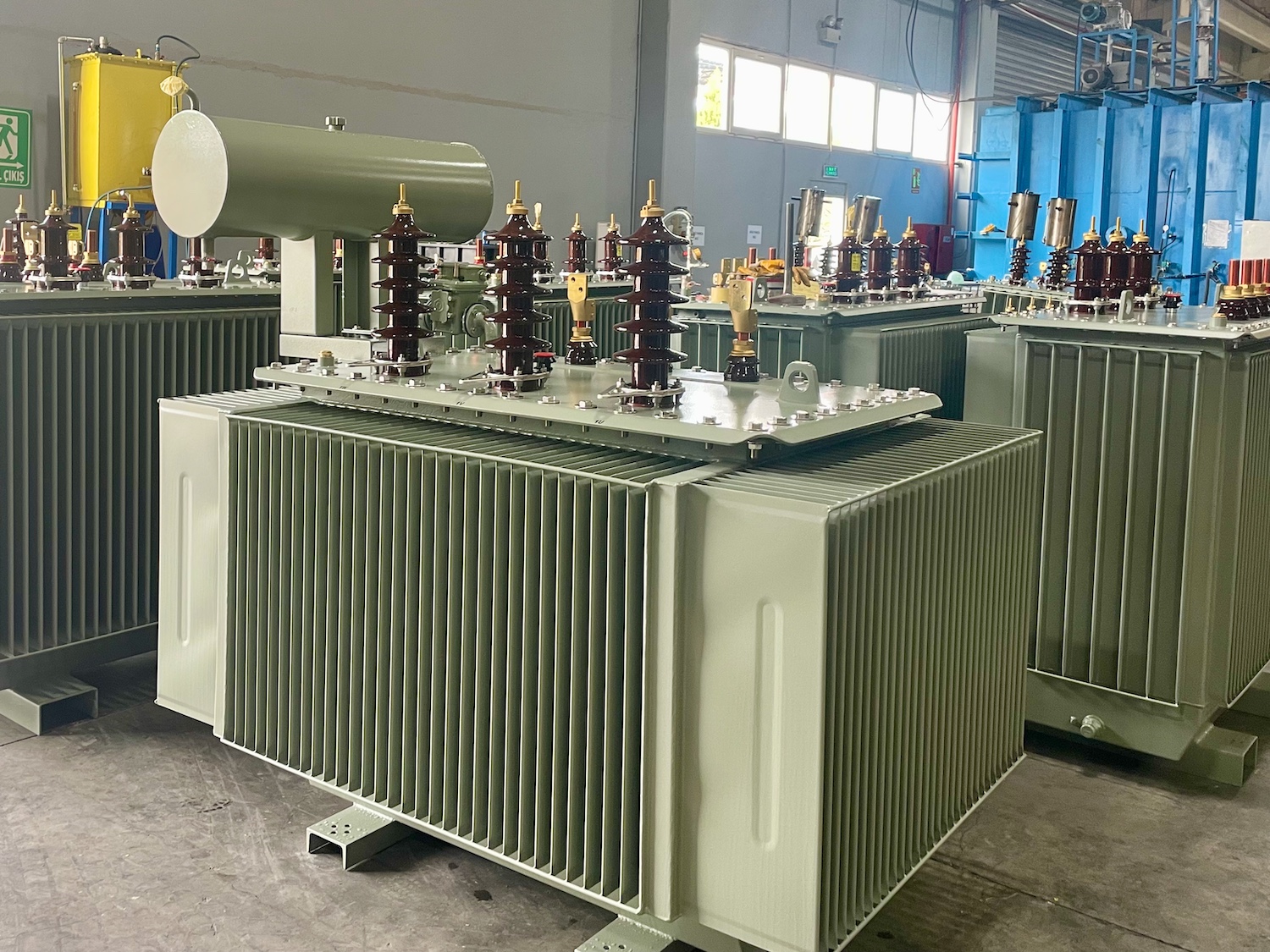
Medium voltage (MV) transformer design and selection is a critical aspect of power system engineering, directly influencing system reliability, efficiency, and lifecycle cost. Typically operating in the range of 1 kV to 36 kV, MV transformers are widely used in industrial facilities, commercial complexes, renewable energy plants, and utility distribution networks. Selecting the right transformer requires a structured evaluation of load characteristics, system requirements, and environmental conditions.

Plug-and-play installation of compact substations has emerged as a transformative approach in modern power distribution, particularly in fast-track projects, urban developments, and remote electrification. As an electrical power engineer, the value of this concept lies in its ability to significantly reduce deployment time, minimize on-site complexity, and optimize overall project costs without compromising reliability or performance.
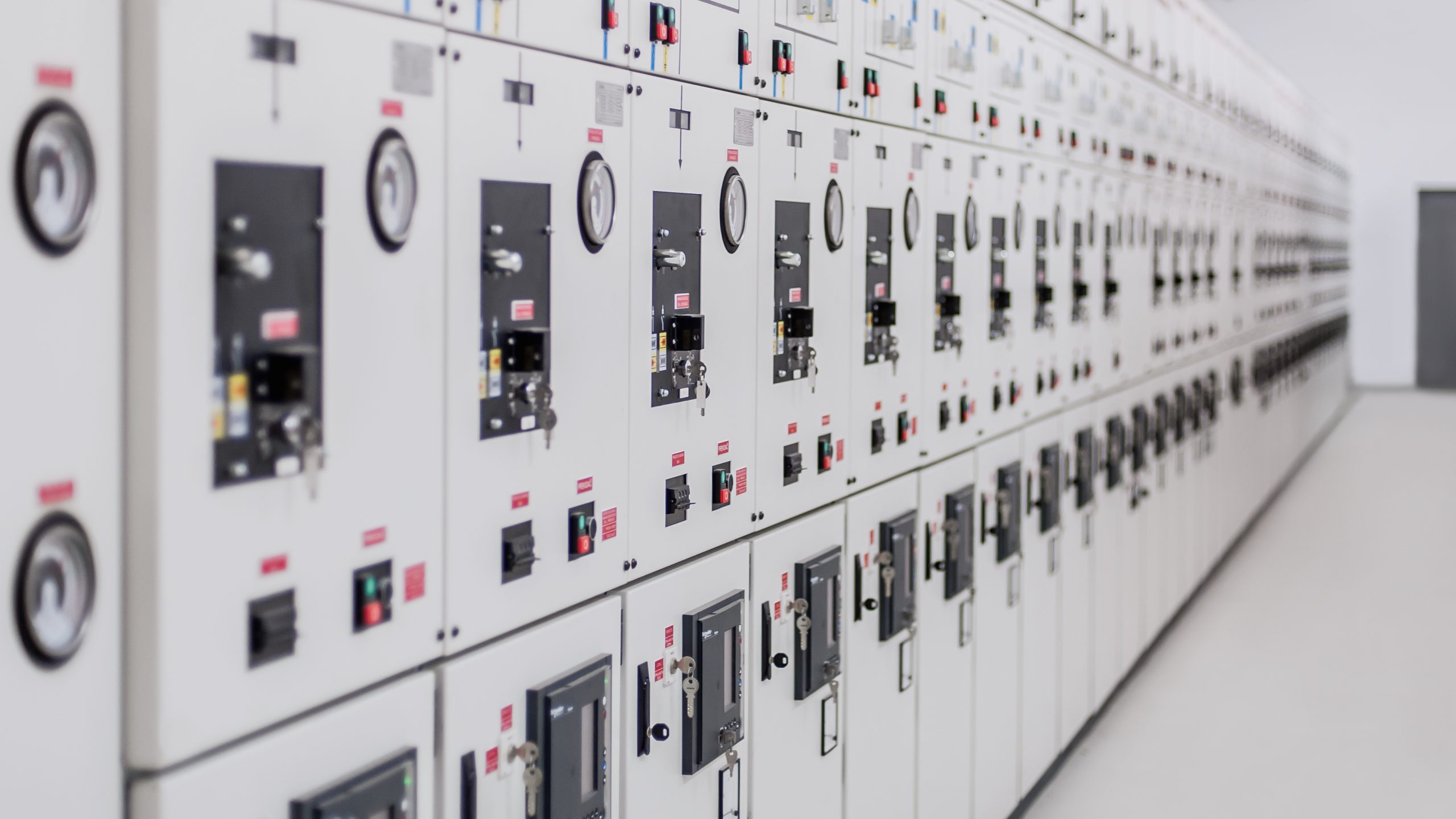
Designing modular switchgear systems has become a cornerstone of modern electrical infrastructure, particularly in applications where scalability, flexibility, and lifecycle efficiency are critical. As power networks evolve—driven by urban expansion, renewable integration, and industrial growth—traditional fixed switchgear solutions often struggle to keep pace with changing requirements. Modular switchgear addresses these challenges by offering adaptable configurations that can be expanded or modified with minimal disruption.

Cable termination kits play a critical role in the reliability and safety of electrical power systems. They provide the necessary insulation, mechanical protection, and environmental sealing at the point where cables connect to electrical equipment such as switchgear, transformers, and motors. However, improper installation of cable termination kits remains one of the most common causes of insulation failure, overheating, and premature equipment outages in medium- and high-voltage systems.

Lighting design in commercial spaces is far more than selecting fixtures and achieving target lux levels. It is a strategic discipline that shapes customer experience, enhances employee productivity, reinforces brand identity, and directly impacts operational costs. When properly executed, lighting design harmonizes three core pillars: aesthetics, functionality, and energy efficiency.