


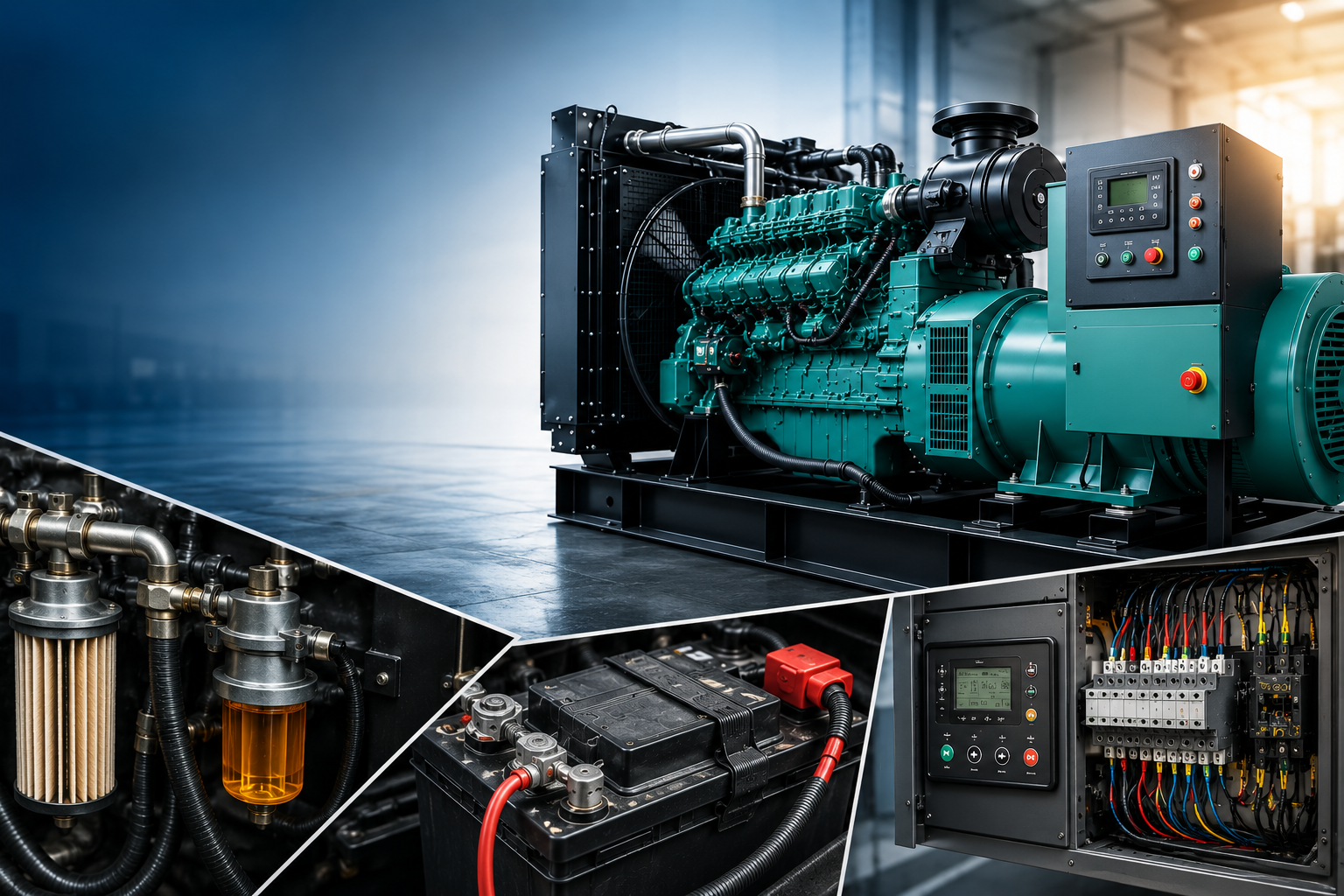
Standby and prime power generators are critical assets for hospitals, manufacturing facilities, data centers, commercial buildings, and utility infrastructure. Despite their robust construction, generators often fail when they are needed most—not because of catastrophic mechanical damage, but due to neglected maintenance or seemingly minor faults. Industry experience consistently shows that fuel system problems, battery failures, and control system issues account for the majority of unexpected generator outages.

In today’s highly interconnected and technology-driven world, uninterrupted power supply is no longer a luxury—it is a fundamental operational requirement. As electrical power engineers, we have seen firsthand how power disruptions can cripple businesses, compromise safety, damage equipment, and lead to significant financial losses. Power continuity solutions are therefore not simply technical installations; they are strategic investments in operational resilience, business stability, and long-term sustainability.
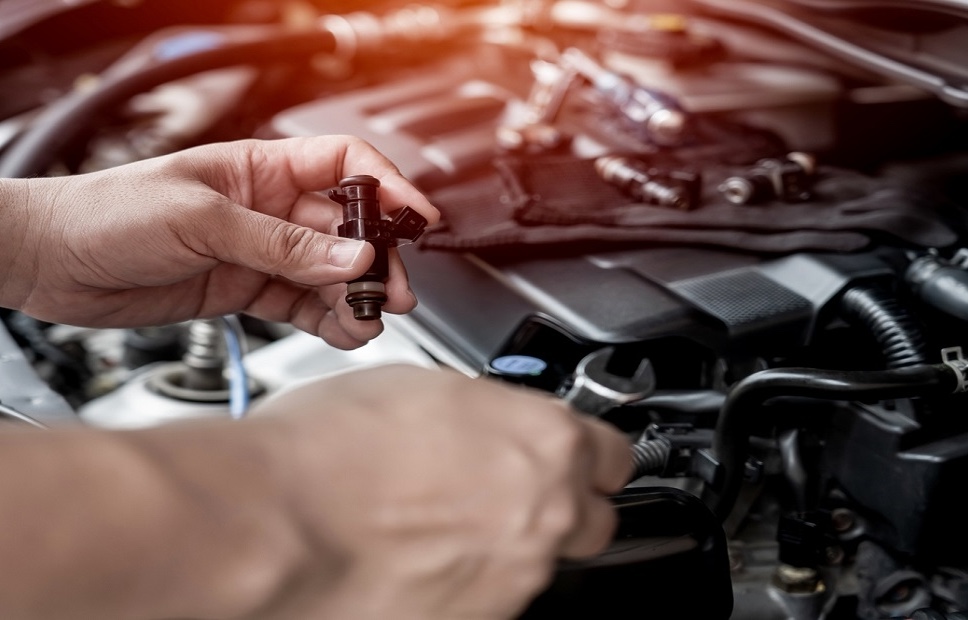
Generators play a critical role in ensuring power continuity, especially in industrial, commercial, and emergency settings. Despite their importance, generator systems can fail due to several common issues. Among the leading causes of generator failure are fuel system problems, battery-related failures, and control system faults. Understanding these issues and how to prevent them is essential for maintaining reliable operation.
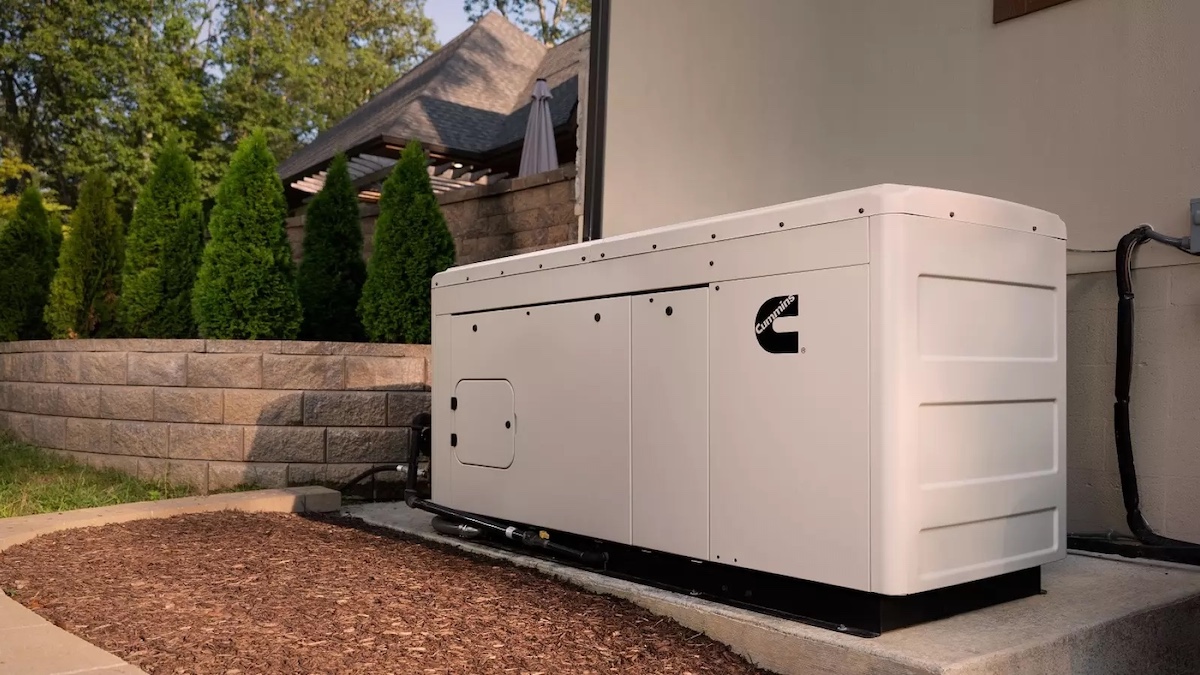
Choosing the right generator size is essential for ensuring that your power needs are met without interruptions or excessive costs. Whether you’re planning for a home, small business, or construction project, an appropriately sized generator will provide reliable power without risking equipment damage or running inefficiently. Here’s a simple guide on how to determine the right generator size without needing an engineering background.