


Fire protection in electrical installations is a holistic responsibility that begins with design and extends through installation, operation, and maintenance. For panel builders and contractors, adopting best practices—ranging from correct sizing and material selection to integration of detection systems and ongoing maintenance—ensures installations remain safe and reliable.

Low Voltage (LV) boards, also known as switchboards, play a central role in distributing electricity within facilities safely and efficiently. They are commonly available in two configurations: withdrawable and fixed. Each type offers distinct advantages depending on the operational requirements of the installation. Choosing between withdrawable and fixed LV boards depends on a variety of factors, including system criticality, maintenance strategy, space constraints, and budget.
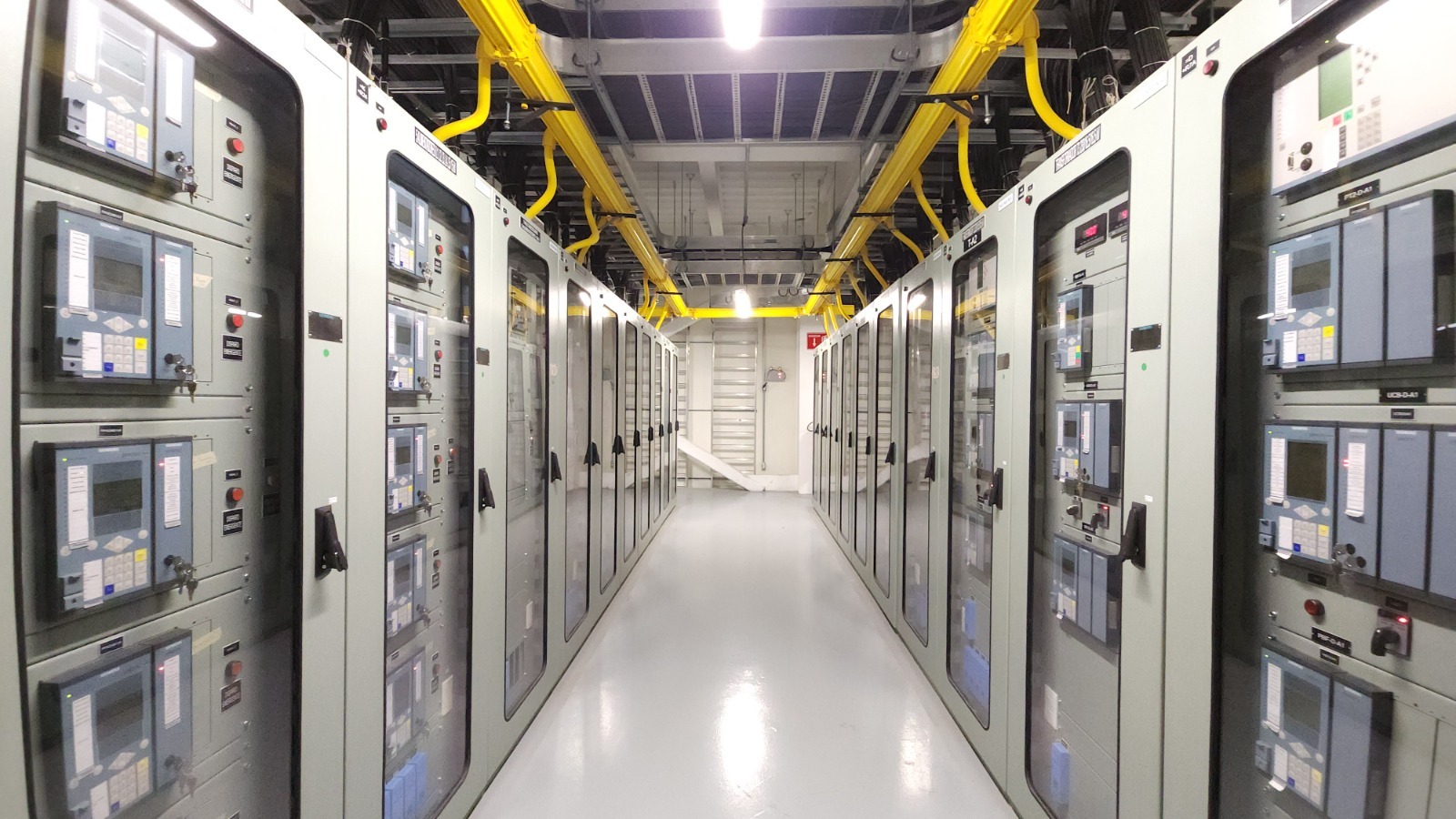
In modern electrical power systems, integrating Low Voltage (LV) boards with Supervisory Control and Data Acquisition (SCADA) systems is essential for efficient real-time monitoring and control. This process enhances system reliability, optimizes energy usage, and improves operational decision-making.

Segregation in Low Voltage (LV) boards is a crucial design principle aimed at enhancing operational safety, reliability, and maintainability of electrical systems. It involves dividing the internal components of a distribution board or switchboard into separate compartments or zones to minimize the risks associated with electrical faults, unauthorized access, and maintenance activities.