


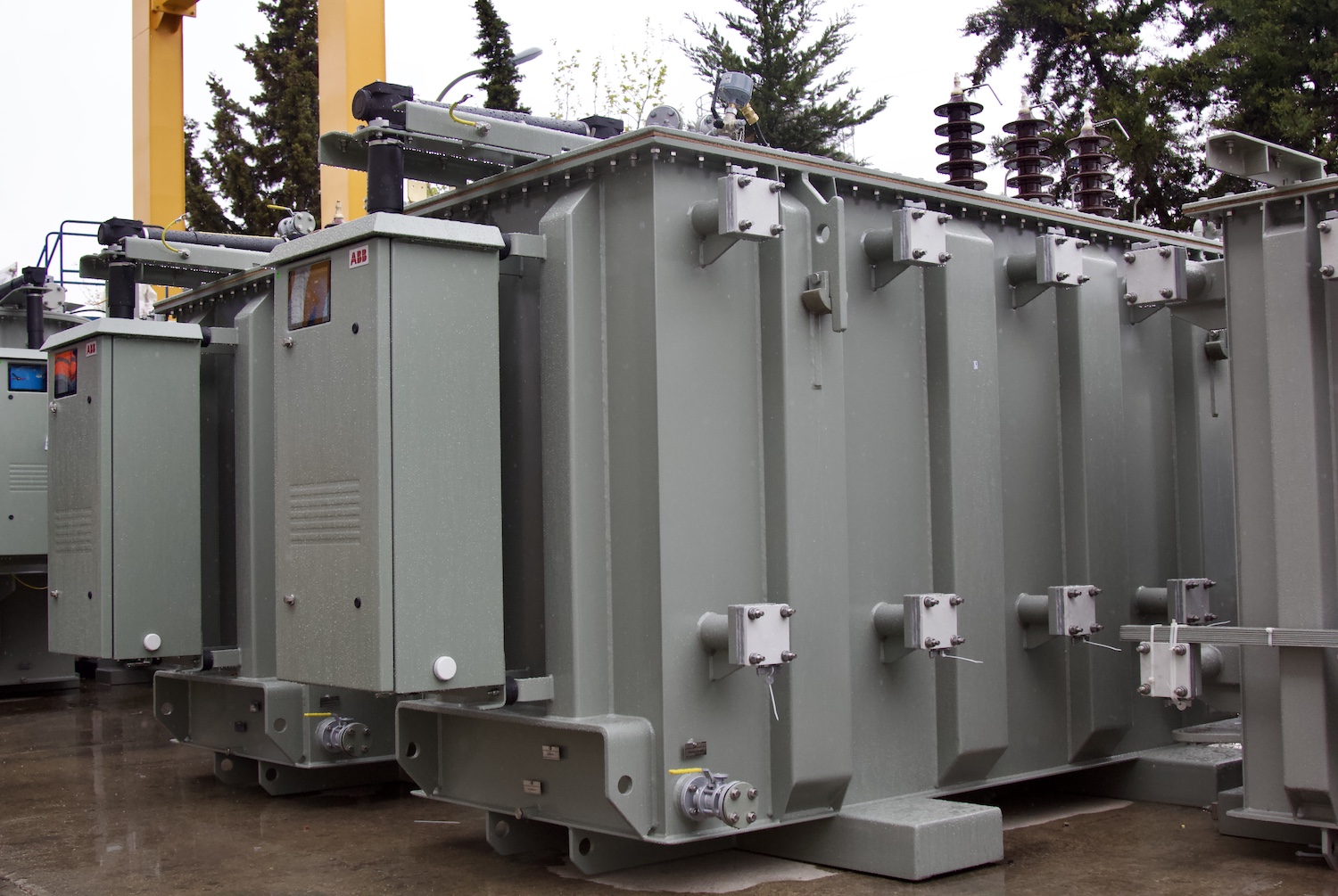
Voltage regulation in transformers is critical to ensuring stable and efficient operation in electrical power systems. Variations in load or supply voltage can lead to deviations from the desired voltage levels, potentially impacting the reliability and performance of equipment and infrastructure. Two primary techniques for regulating transformer voltage are On-Load Tap Changers (OLTC) and Off-Load Tap Changers (Off-Load Options).

Prefabricated substations are critical components of modern power distribution systems, particularly in industries, urban centers, and remote areas. These modular units house essential electrical equipment like transformers, switchgear, control systems, and LV panels, providing an efficient and compact solution for energy distribution. Routine maintenance is vital to ensure their reliability, longevity, and efficiency.

Segregation in Low Voltage (LV) boards is a crucial design principle aimed at enhancing operational safety, reliability, and maintainability of electrical systems. It involves dividing the internal components of a distribution board or switchboard into separate compartments or zones to minimize the risks associated with electrical faults, unauthorized access, and maintenance activities.

Aging switchgear is a critical concern in power systems as it directly impacts the reliability, efficiency, and safety of electrical distribution networks. Switchgear, composed of circuit breakers, disconnect switches, and other protective devices, serves to control and protect electrical systems. As infrastructure ages, maintaining or improving switchgear performance becomes essential to avoid costly downtimes, reduce risks, and meet evolving regulatory and technical standards.