


Lighting plays a critical role in how people perceive and interact with their environment. While energy efficiency and lumen output often receive the most attention, two equally important factors—Color Temperature and Color Rendering Index (CRI)—have a significant impact on productivity, comfort, safety, and overall user experience.
Understanding these lighting characteristics helps engineers, facility managers, architects, and business owners make informed decisions when selecting lighting solutions for different applications.
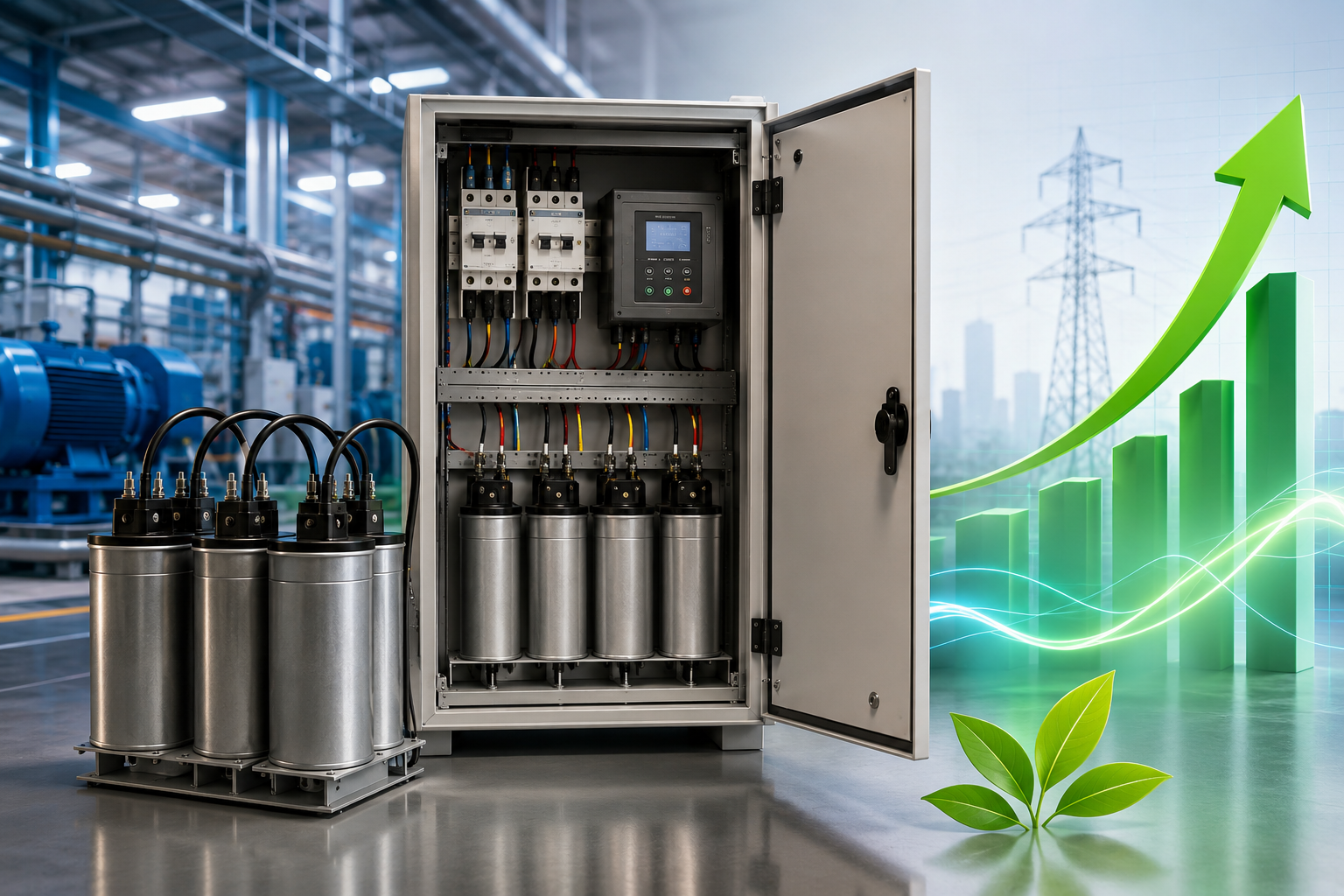
Power Factor Correction (PFC) is a critical technique in electrical power systems used to improve the efficiency of power utilization and reduce energy losses. In industrial and commercial installations, where inductive loads such as motors, transformers, and fluorescent lighting are prevalent, poor power factor is a common issue that leads to higher currents, increased losses, and unnecessary costs.

Battery Energy Storage Systems (BESS) are pivotal in modern power systems, offering flexibility, reliability, and resilience to both utility-scale and distributed energy networks. Whether used for backup power or grid support, the design of a BESS must be tailored to its application, environment, and operational objectives. Here are the key design considerations that engineers must evaluate.

Retrofitting lighting systems is an essential component of energy efficiency and infrastructure modernization in both commercial and industrial environments. Lighting accounts for a significant portion of electricity consumption, especially in large facilities such as factories, offices, and public infrastructure. Retrofit solutions offer cost-effective strategies to reduce energy usage, improve lighting quality, and minimize operational expenses without the need for complete system overhauls.
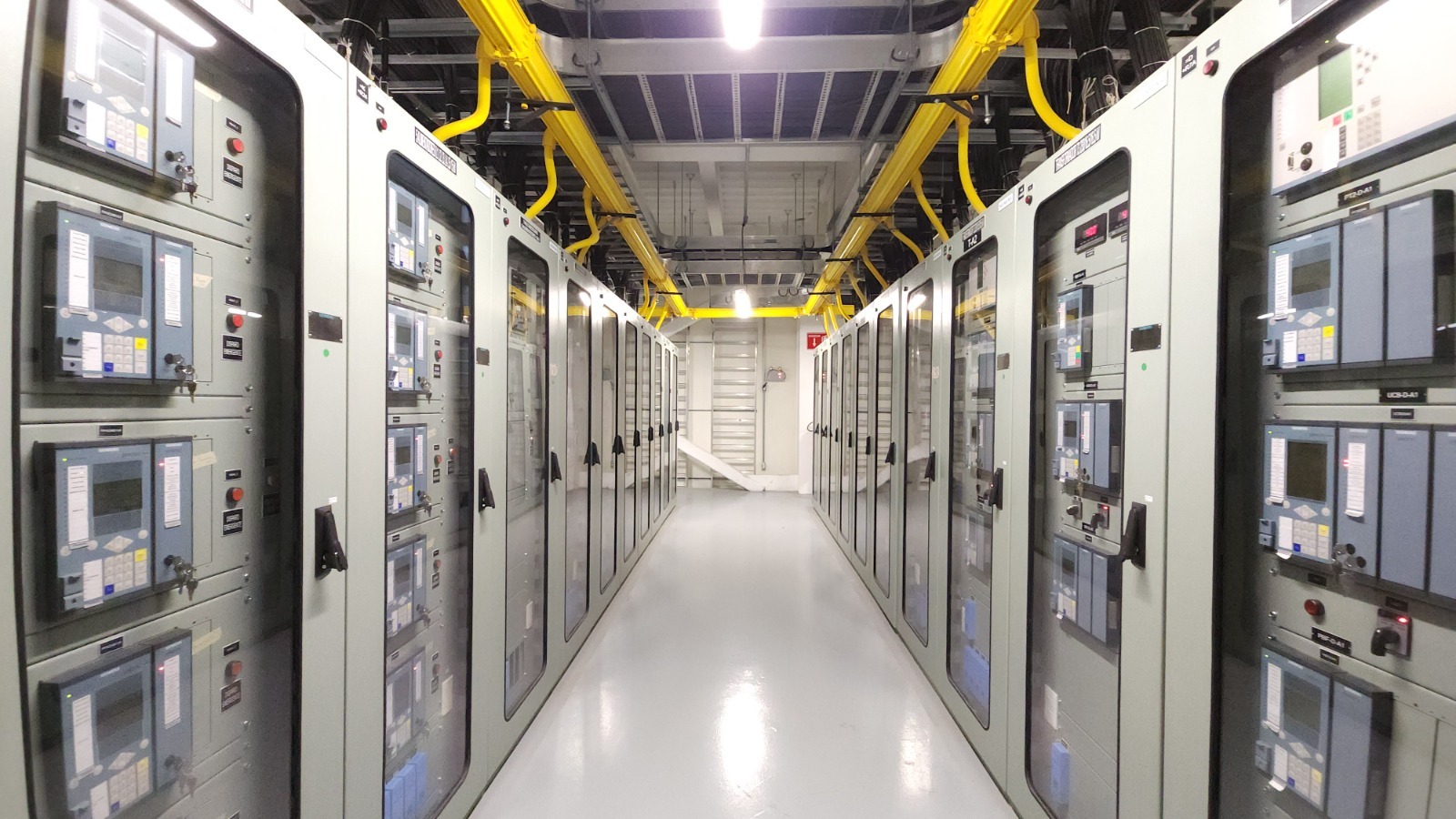
In modern electrical power systems, integrating Low Voltage (LV) boards with Supervisory Control and Data Acquisition (SCADA) systems is essential for efficient real-time monitoring and control. This process enhances system reliability, optimizes energy usage, and improves operational decision-making.

Energy efficiency is a key driver for sustainability, cost reduction, and operational optimization in industries, commercial buildings, and residential facilities. An energy audit is a systematic approach to assessing energy consumption, identifying inefficiencies, and proposing cost-effective solutions to enhance energy savings. This article explores energy audit methodologies, essential tools, and strategies to maximize energy savings.