


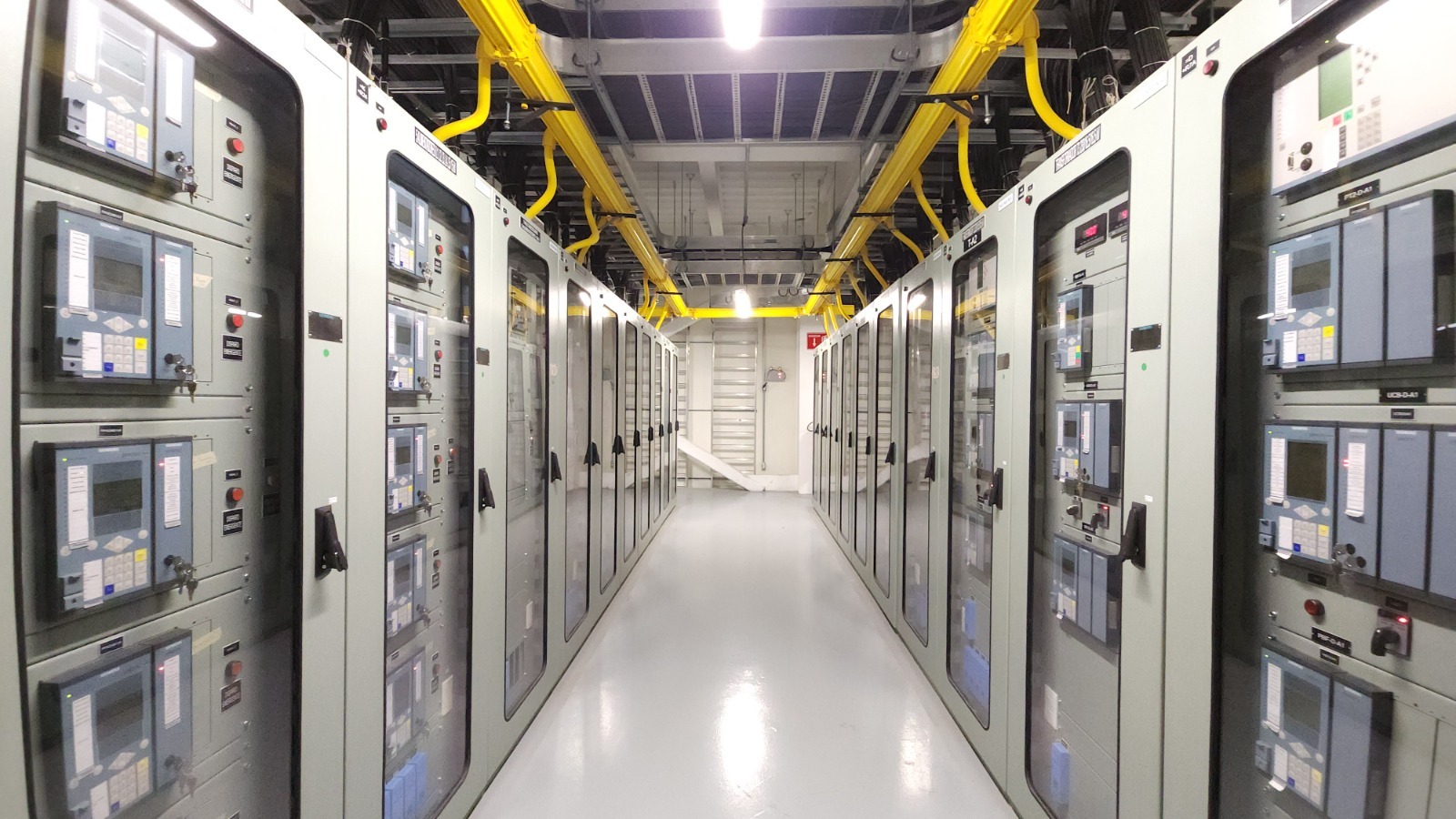
In modern electrical power systems, integrating Low Voltage (LV) boards with Supervisory Control and Data Acquisition (SCADA) systems is essential for efficient real-time monitoring and control. This process enhances system reliability, optimizes energy usage, and improves operational decision-making.
OVERVIEW OF LV BOARDS
LV boards, also known as distribution boards, are critical components in electrical networks. They distribute electrical power to various circuits at voltages typically below 1000V, protecting systems with circuit breakers, fuses, and protective relays. These boards monitor parameters like voltage, current, power factor, and frequency.
SCADA SYSTEM FUNDAMENTALS
A SCADA system is a centralized platform used for real-time data acquisition, processing, and control of electrical networks. It consists of:
- Field Devices: Sensors, transducers, and intelligent electronic devices (IEDs) that gather data from LV boards.
- Remote Terminal Units (RTUs): Interface devices that transmit field data to the SCADA master station.
- Human-Machine Interface (HMI): The graphical interface allowing operators to visualize system status and control devices.
- Communication Networks: Protocols like Modbus, DNP3, or IEC 61850 ensure seamless data exchange.
CONNECTING LV BOARDS TO SCADA
The process involves several key steps:
a) Installing Smart Devices: Modern LV boards incorporate smart circuit breakers, energy meters, and protection relays with built-in communication capabilities. These devices generate real-time data such as load levels, fault status, and energy consumption.
b) Data Acquisition: Sensors and IEDs installed on LV boards collect analog and digital signals, which are converted to data packets by RTUs or Programmable Logic Controllers (PLCs). These packets are then transmitted to the SCADA master station.
c) Communication Setup: A robust communication network links LV boards to the SCADA system. Depending on the setup, wired (Ethernet, RS485) or wireless (Wi-Fi, GPRS) communication channels may be used. The choice depends on factors like distance, data volume, and system criticality.
d) Protocol Integration: To ensure interoperability, LV boards communicate using standardized protocols. For example, Modbus RTU is popular for simple data exchanges, while IEC 61850 suits more complex substation automation.
e) Configuration of SCADA Software: The SCADA HMI is programmed to display real-time data from LV boards. Critical alarms, such as overcurrent faults or voltage sags, trigger immediate visual and audio alerts.
REAL-TIME MONITORING AND CONTROL
Once integrated, operators can perform the following actions:
- Data Visualization: Real-time dashboards show parameters like voltage levels, current flow, power factor, and breaker status, enabling quick assessment of network health.
- Remote Switching: Through SCADA, operators can remotely open or close circuit breakers, isolating faulty sections or reconnecting loads without physical intervention.
- Alarm Management: SCADA systems process alarms from LV boards, classifying them by severity. For instance, a critical trip due to a short circuit will receive higher priority than a minor load imbalance.
- Trend Analysis: Historical data logging allows operators to track load patterns, aiding in preventive maintenance and capacity planning.
BENEFITS OF INTEGRATION
Integrating LV boards with SCADA systems offers numerous advantages:
- Enhanced Reliability: Quick fault detection and isolation reduce downtime.
- Improved Efficiency: Real-time data helps balance loads and optimize energy distribution.
- Remote Control: Operators can manage systems from centralized locations, minimizing manual interventions.
- Predictive Maintenance: Continuous monitoring identifies potential issues before they escalate.
CONCLUSION
The integration of LV boards with SCADA systems revolutionizes electrical power management by providing real-time monitoring and control. This synergy boosts operational efficiency, enhances system reliability, and supports proactive maintenance strategies. As smart grids evolve, the role of SCADA in low-voltage network supervision will only grow, driving smarter, safer, and more efficient electrical infrastructure.
Comments are closed