


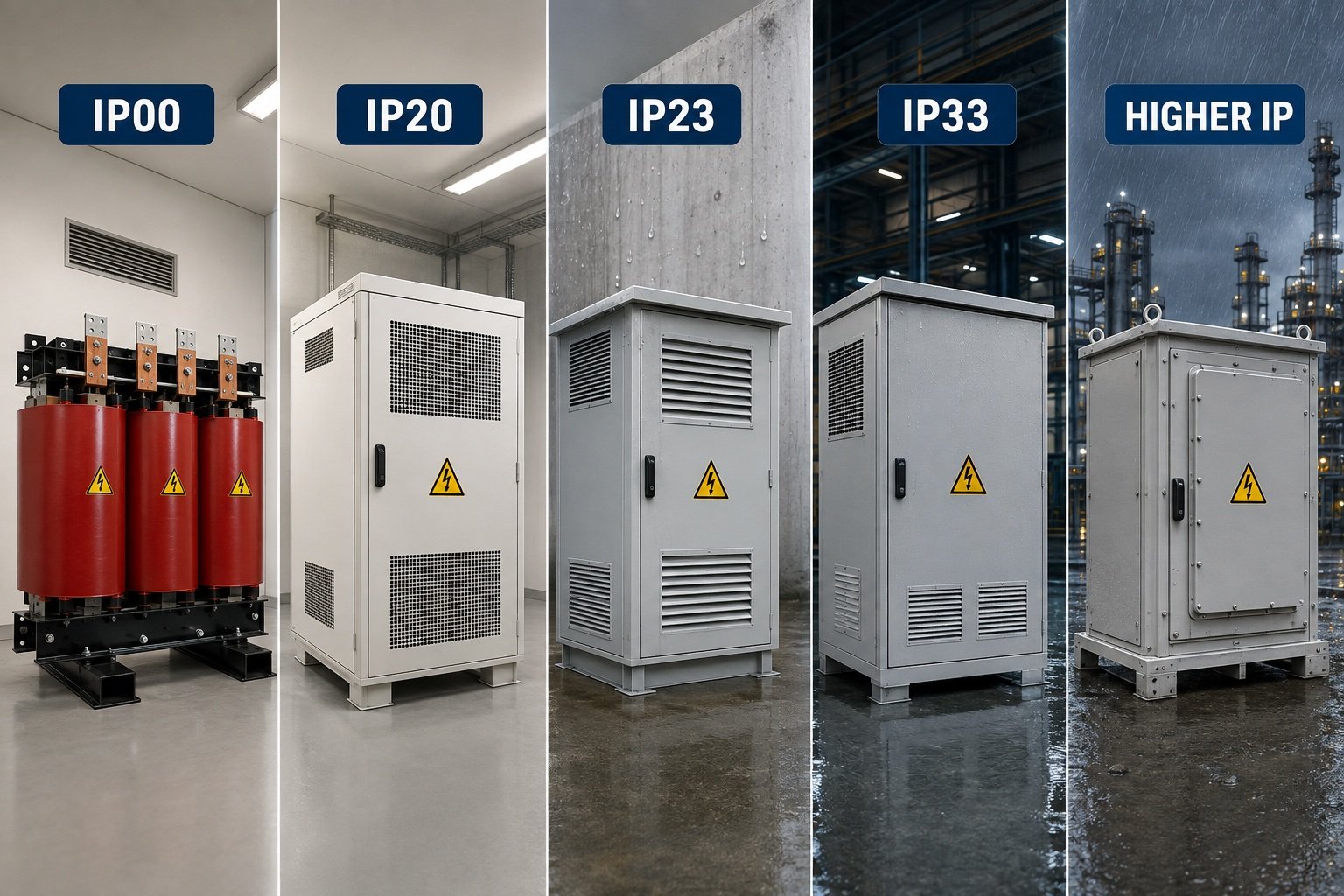
Cast resin dry-type transformers are widely used in commercial buildings, industrial plants, hospitals, data centers, infrastructure projects, and indoor substations because of their fire performance, low maintenance requirements, and suitability for installation close to electrical loads. However, one important specification that is sometimes treated as a secondary detail is the transformer enclosure IP rating.

Lighting plays a critical role in how people perceive and interact with their environment. While energy efficiency and lumen output often receive the most attention, two equally important factors—Color Temperature and Color Rendering Index (CRI)—have a significant impact on productivity, comfort, safety, and overall user experience.
Understanding these lighting characteristics helps engineers, facility managers, architects, and business owners make informed decisions when selecting lighting solutions for different applications.
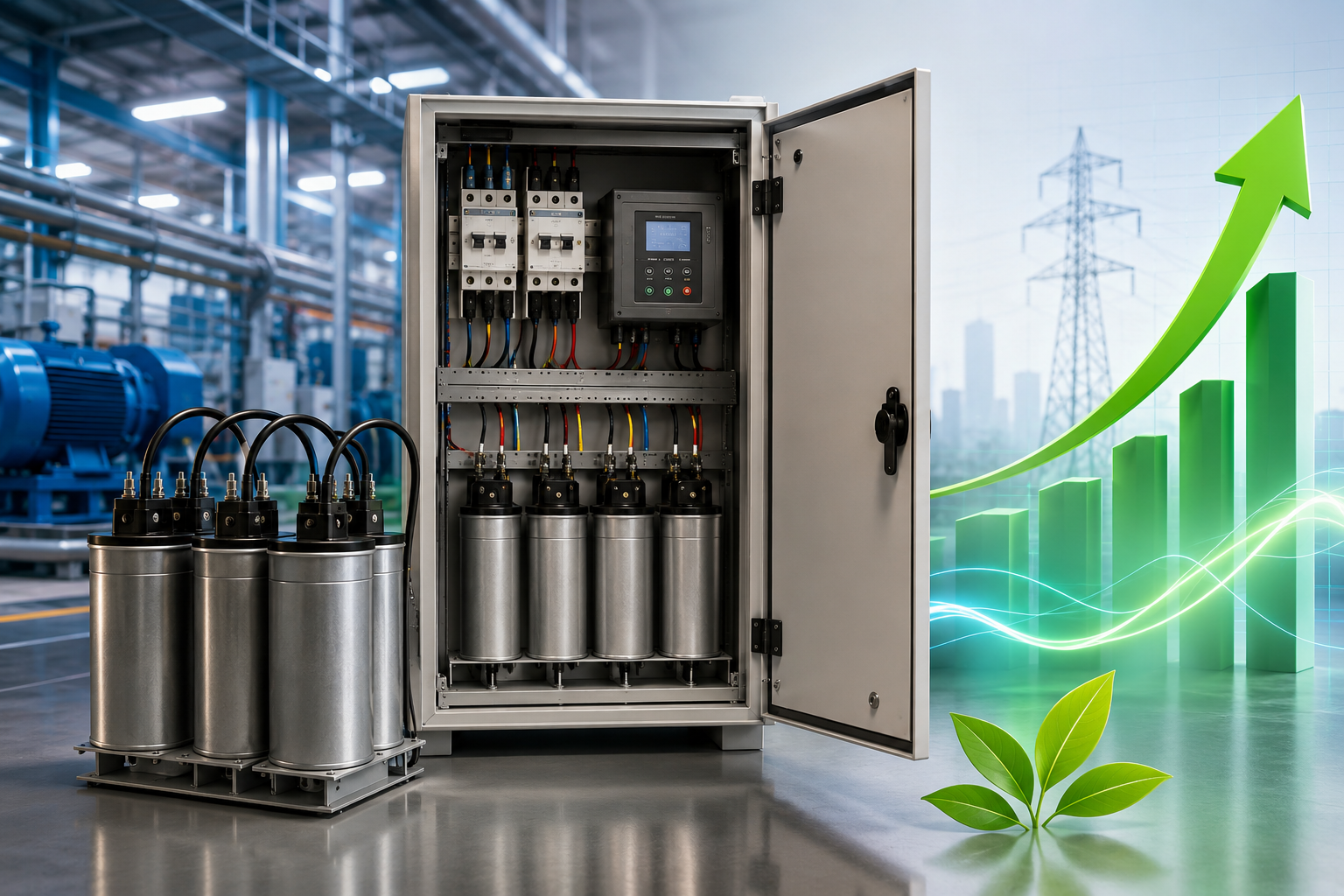
Power Factor Correction (PFC) is a critical technique in electrical power systems used to improve the efficiency of power utilization and reduce energy losses. In industrial and commercial installations, where inductive loads such as motors, transformers, and fluorescent lighting are prevalent, poor power factor is a common issue that leads to higher currents, increased losses, and unnecessary costs.

Plug-and-play installation of compact substations has emerged as a transformative approach in modern power distribution, particularly in fast-track projects, urban developments, and remote electrification. As an electrical power engineer, the value of this concept lies in its ability to significantly reduce deployment time, minimize on-site complexity, and optimize overall project costs without compromising reliability or performance.
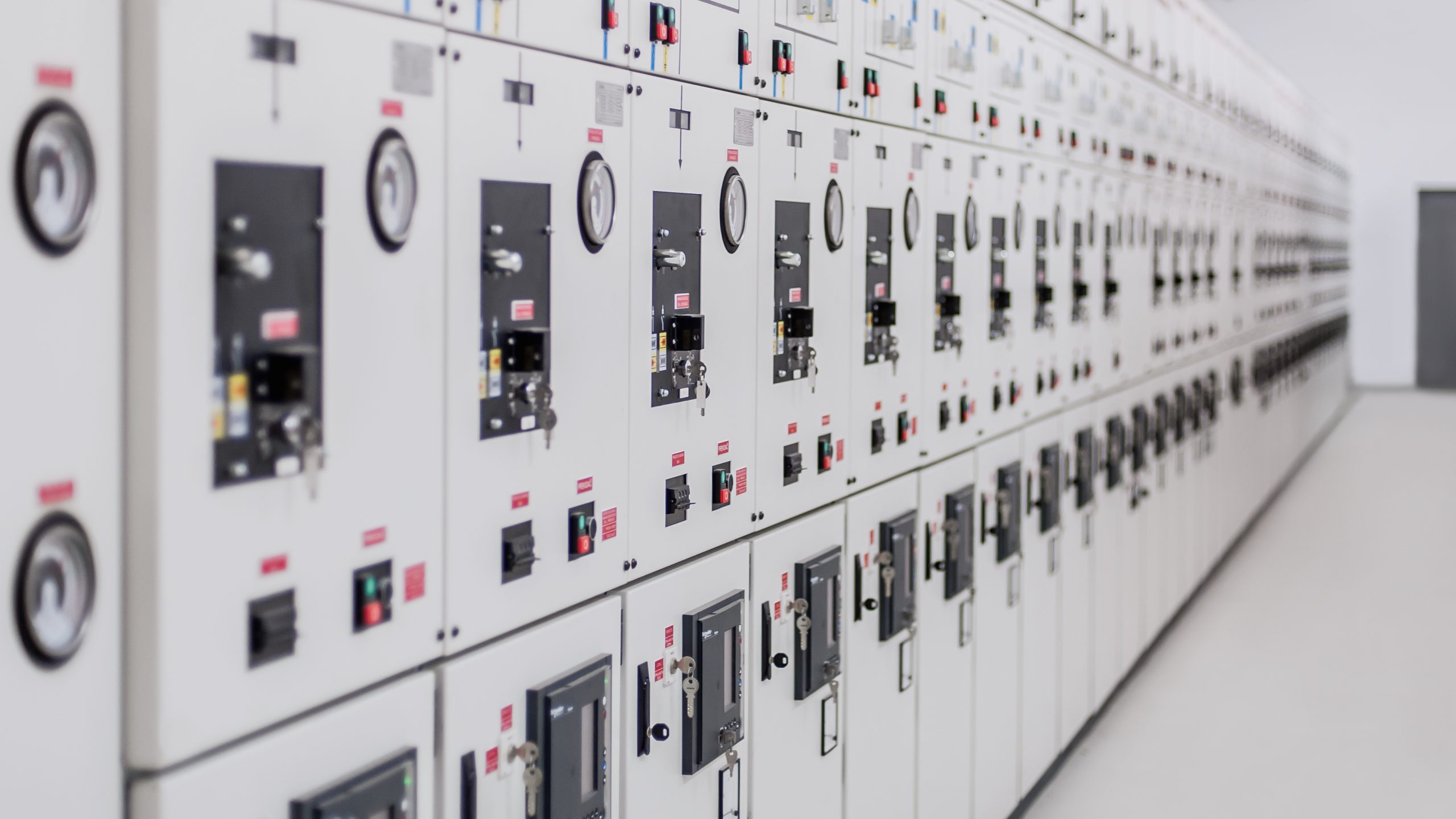
Designing modular switchgear systems has become a cornerstone of modern electrical infrastructure, particularly in applications where scalability, flexibility, and lifecycle efficiency are critical. As power networks evolve—driven by urban expansion, renewable integration, and industrial growth—traditional fixed switchgear solutions often struggle to keep pace with changing requirements. Modular switchgear addresses these challenges by offering adaptable configurations that can be expanded or modified with minimal disruption.

Cable termination kits play a critical role in the reliability and safety of electrical power systems. They provide the necessary insulation, mechanical protection, and environmental sealing at the point where cables connect to electrical equipment such as switchgear, transformers, and motors. However, improper installation of cable termination kits remains one of the most common causes of insulation failure, overheating, and premature equipment outages in medium- and high-voltage systems.
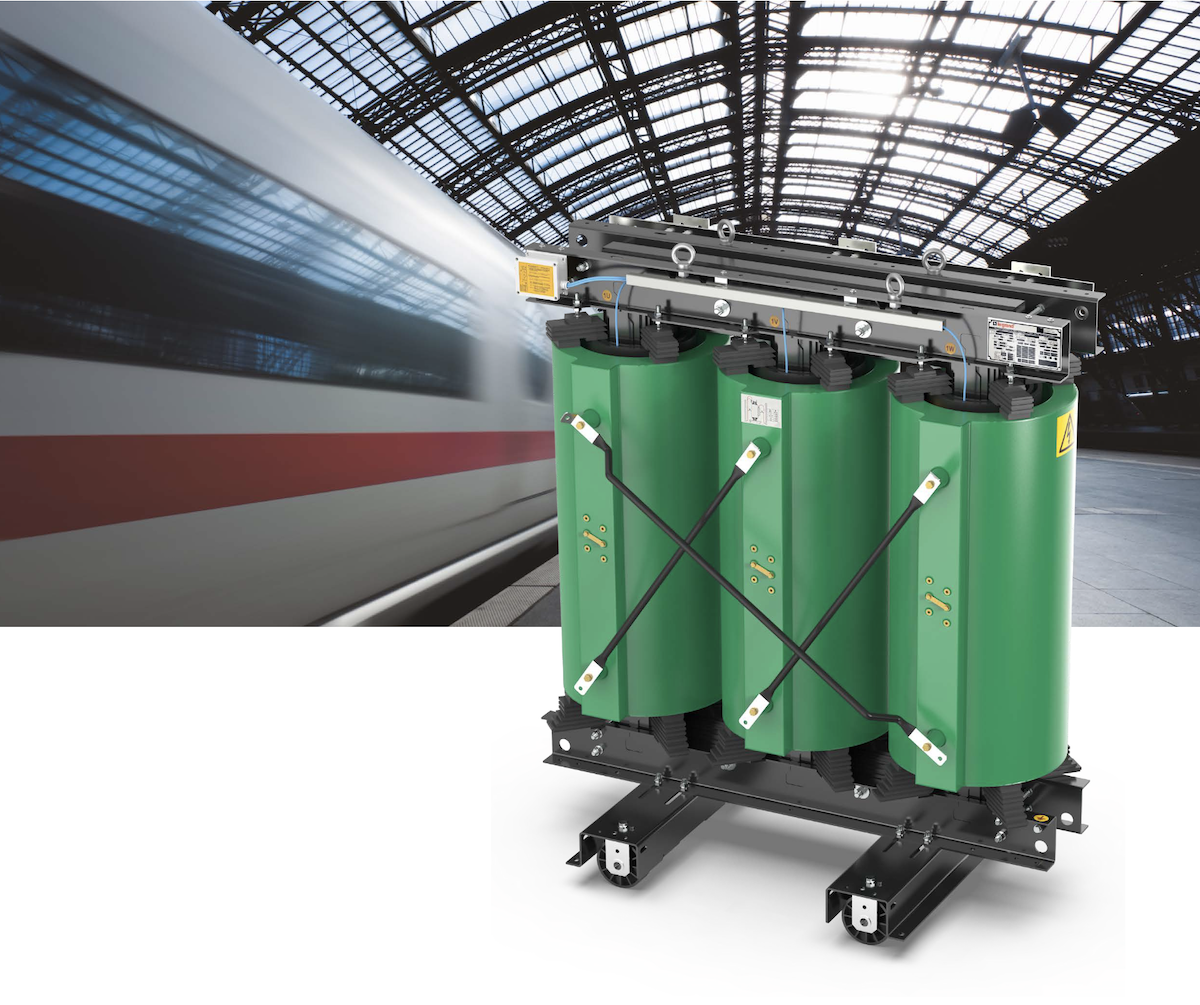
Cast resin dry-type transformers are the preferred solution for indoor electrical installations where safety, reliability, and low maintenance are critical. As electrical power engineers, we have seen a clear shift toward cast resin dry-type transformers for indoor electrical installations across commercial, industrial, and infrastructure projects. This preference is driven by their strong safety profile, operational reliability, and suitability for environments where oil-filled transformers present risks or constraints.

In today’s highly interconnected and technology-driven world, uninterrupted power supply is no longer a luxury—it is a fundamental operational requirement. As electrical power engineers, we have seen firsthand how power disruptions can cripple businesses, compromise safety, damage equipment, and lead to significant financial losses. Power continuity solutions are therefore not simply technical installations; they are strategic investments in operational resilience, business stability, and long-term sustainability.

Switchgears form the protective backbone of electrical power systems, ensuring safe isolation, control, and fault clearing across low- and medium-voltage networks. Their reliability depends heavily on correct installation, proper design selections, and disciplined maintenance. Among all failure sources, poor installation practices consistently rank as the leading root cause—causing defects that later evolve into thermal, mechanical, and insulation failures.

In electrical power systems, Current Transformers (CTs) and Voltage Transformers (VTs) — collectively known as instrument transformers — play a vital role in both metering and protection. They form the bridge between high-voltage power circuits and low-voltage measuring and protection devices, enabling safe, accurate, and reliable system operation.