


Protective relays are critical components in electrical power systems, acting as the “nervous system” that detects faults and initiates rapid isolation of affected sections. Their primary purpose is to safeguard power system equipment, maintain system stability, and ensure personnel safety by preventing damage and limiting fault propagation.
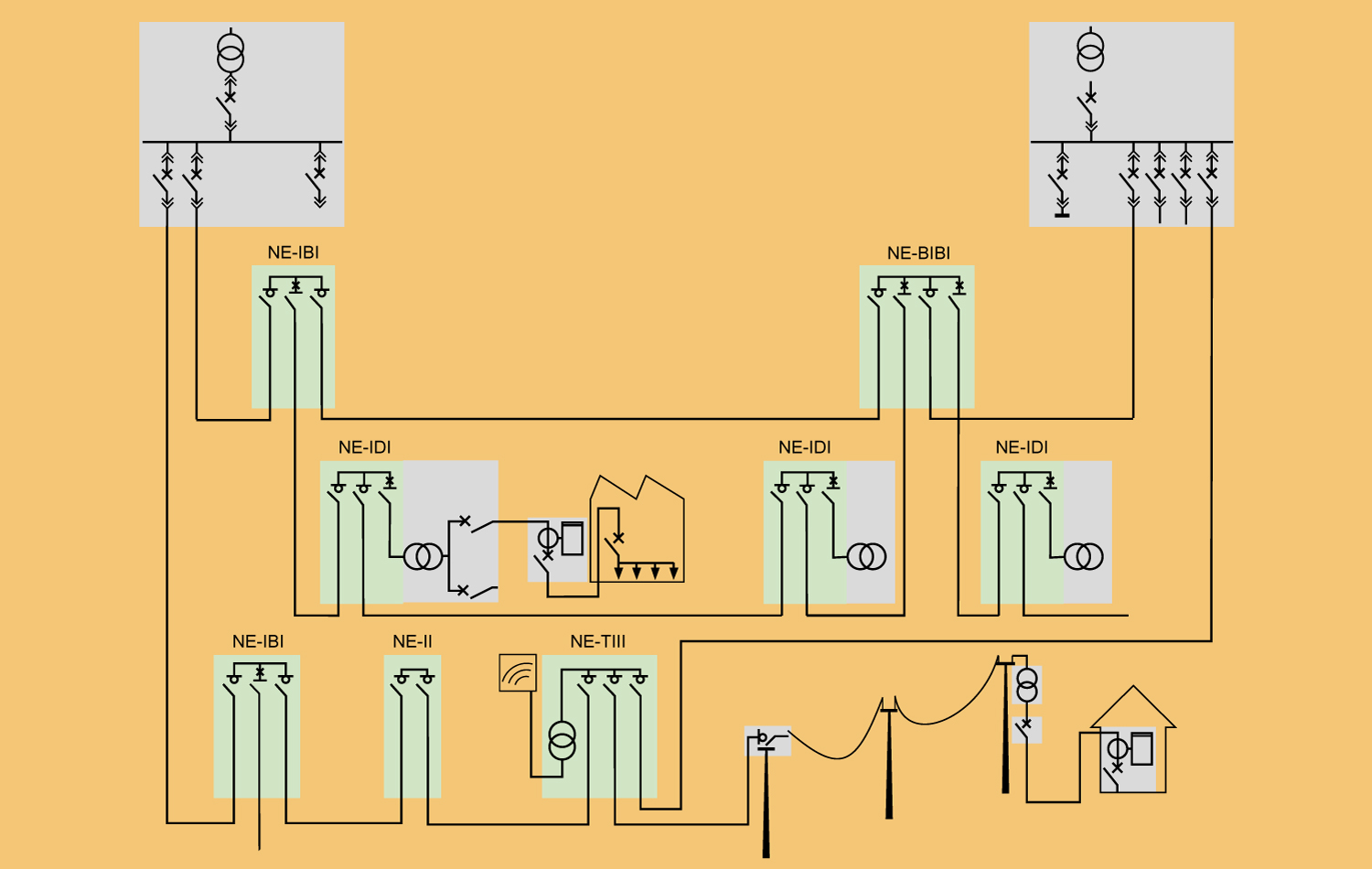
Directional relays play a critical role in power distribution systems, ensuring proper fault detection and isolation while maintaining system stability and reliability. These relays are particularly useful in complex networks where power flow can change direction, such as ring mains, parallel feeders, or interconnected grids.
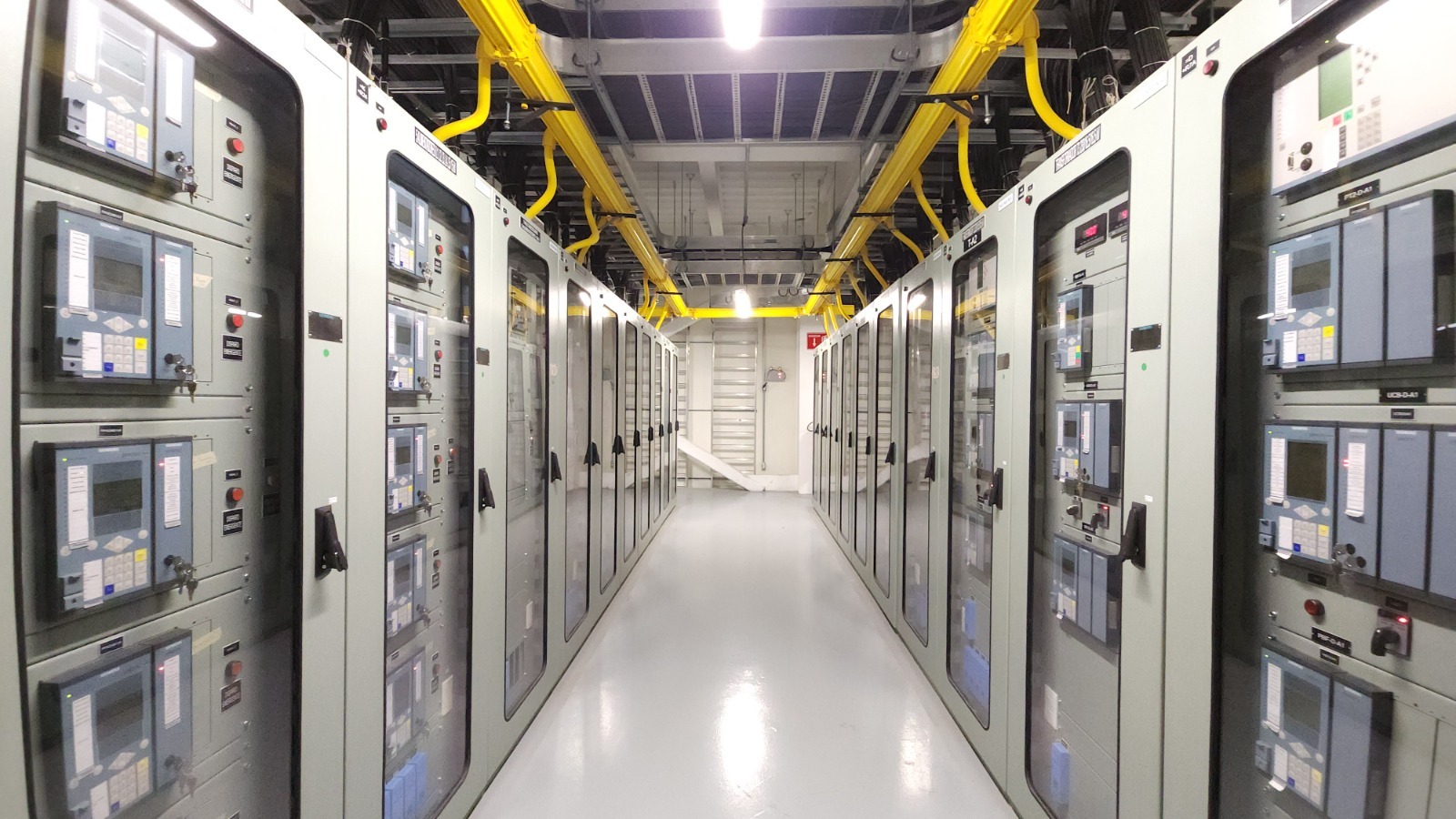
In modern electrical power systems, integrating Low Voltage (LV) boards with Supervisory Control and Data Acquisition (SCADA) systems is essential for efficient real-time monitoring and control. This process enhances system reliability, optimizes energy usage, and improves operational decision-making.

Voltage transformers (VTs), also known as potential transformers (PTs), are essential components in electrical power systems, particularly in protective relay systems. They play a crucial role in safeguarding critical infrastructure by providing accurate voltage measurements necessary for the operation of relays and other protective devices.

Transformers are critical assets in power systems, and ensuring their safety and reliability is essential for uninterrupted power supply. Transformer protection and safety equipment vary based on the type, capacity, and operational environment of the transformer. Here is an overview of protection equipment for oil-filled transformers and cast resin dry transformers, and the rationale behind each.