


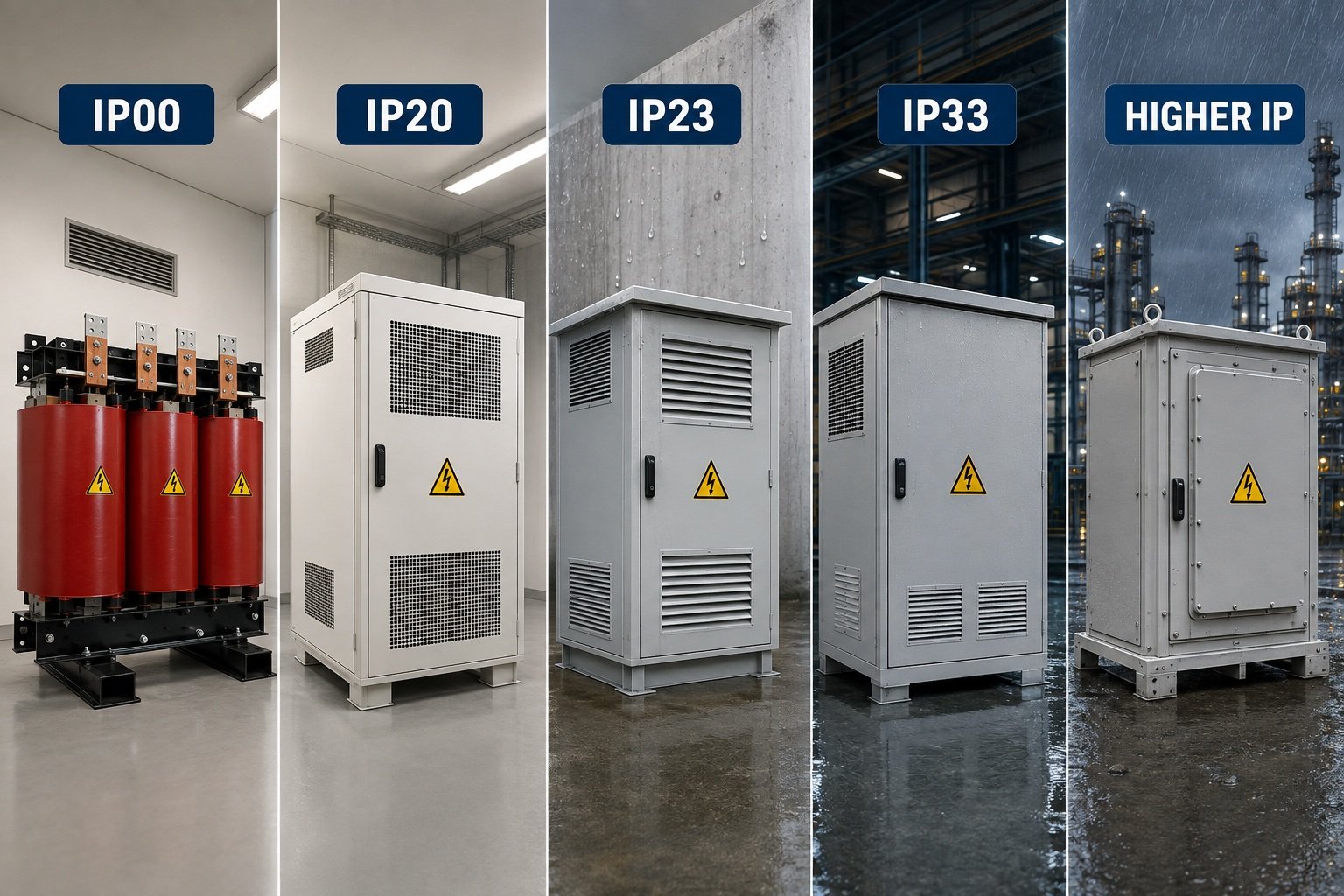
Cast resin dry-type transformers are widely used in commercial buildings, industrial plants, hospitals, data centers, infrastructure projects, and indoor substations because of their fire performance, low maintenance requirements, and suitability for installation close to electrical loads. However, one important specification that is sometimes treated as a secondary detail is the transformer enclosure IP rating.

Plug-and-play installation of compact substations has emerged as a transformative approach in modern power distribution, particularly in fast-track projects, urban developments, and remote electrification. As an electrical power engineer, the value of this concept lies in its ability to significantly reduce deployment time, minimize on-site complexity, and optimize overall project costs without compromising reliability or performance.
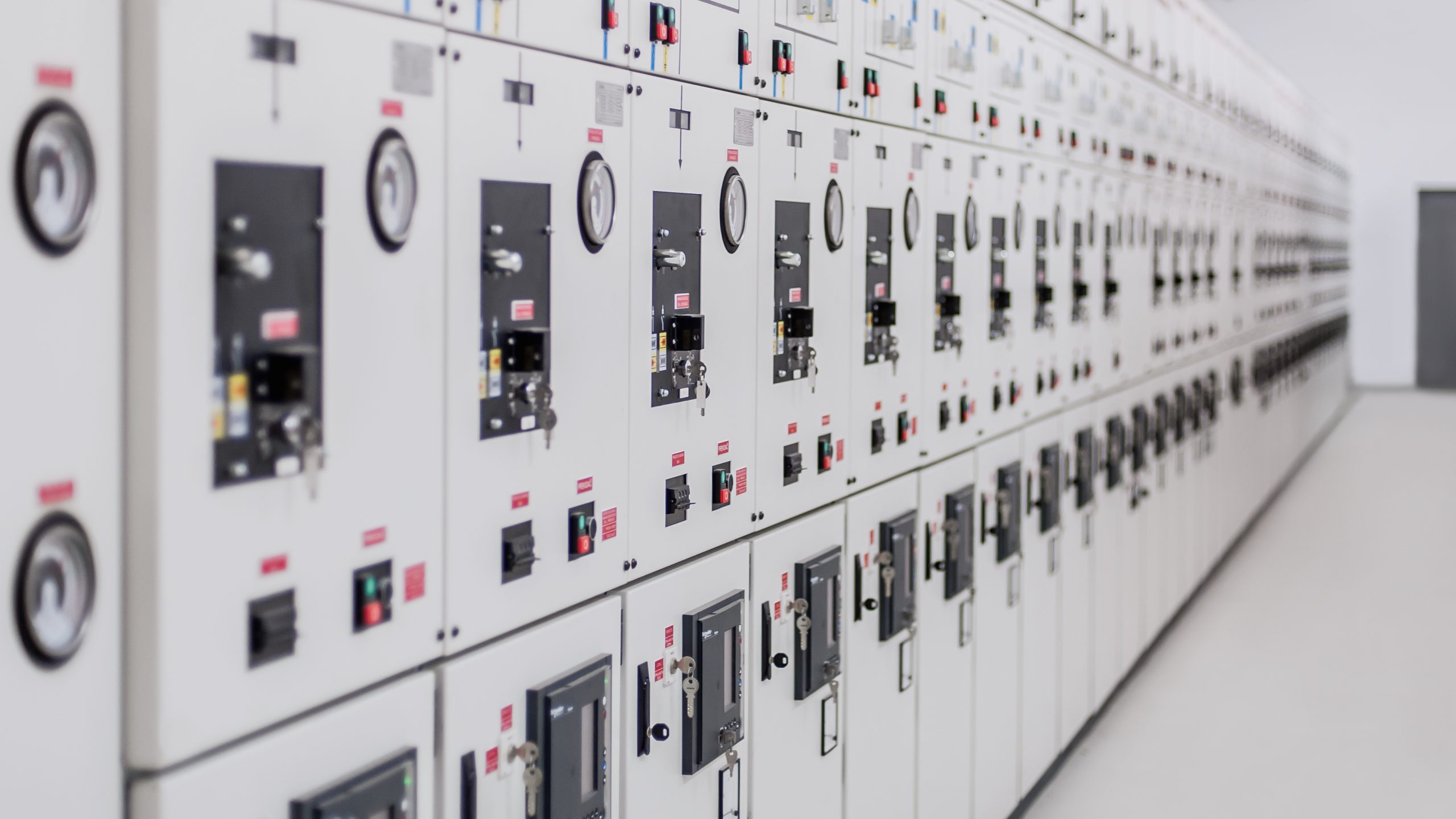
Designing modular switchgear systems has become a cornerstone of modern electrical infrastructure, particularly in applications where scalability, flexibility, and lifecycle efficiency are critical. As power networks evolve—driven by urban expansion, renewable integration, and industrial growth—traditional fixed switchgear solutions often struggle to keep pace with changing requirements. Modular switchgear addresses these challenges by offering adaptable configurations that can be expanded or modified with minimal disruption.

Switchgears form the protective backbone of electrical power systems, ensuring safe isolation, control, and fault clearing across low- and medium-voltage networks. Their reliability depends heavily on correct installation, proper design selections, and disciplined maintenance. Among all failure sources, poor installation practices consistently rank as the leading root cause—causing defects that later evolve into thermal, mechanical, and insulation failures.

In electrical power systems, Current Transformers (CTs) and Voltage Transformers (VTs) — collectively known as instrument transformers — play a vital role in both metering and protection. They form the bridge between high-voltage power circuits and low-voltage measuring and protection devices, enabling safe, accurate, and reliable system operation.
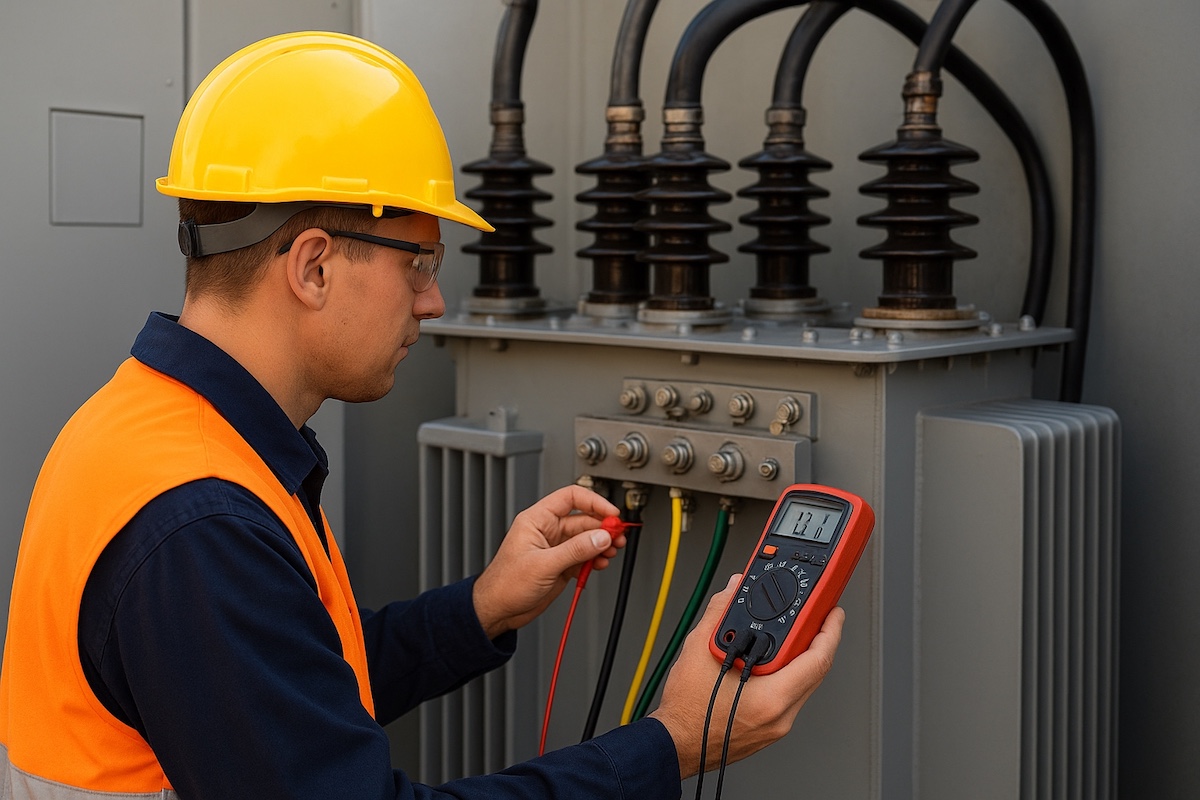
Testing and commissioning of electrical installations mark the critical final phase before energization of any power system—whether it’s an industrial plant, commercial building, or utility substation. This phase ensures that all installed electrical equipment and systems perform safely, efficiently, and in full compliance with design specifications, standards, and regulatory requirements.
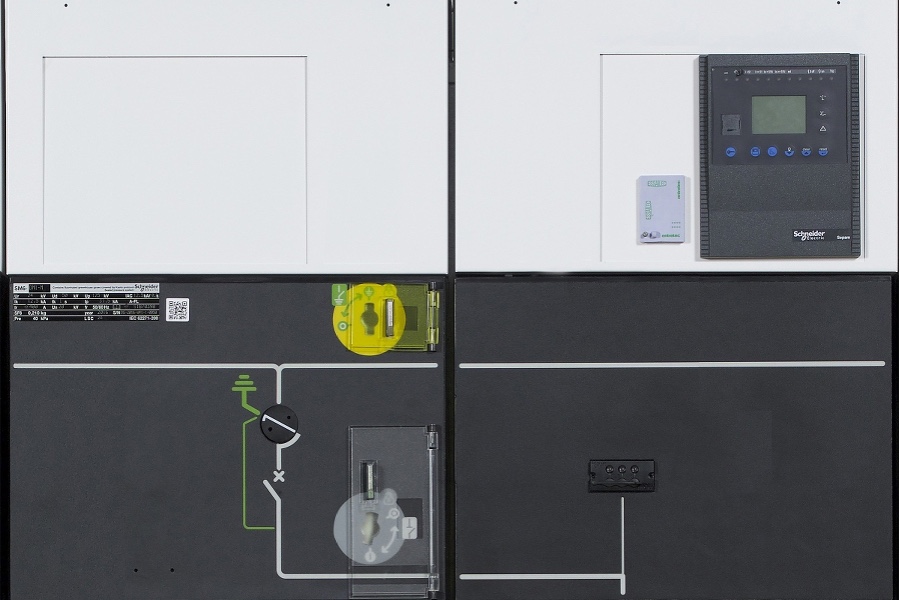
In medium voltage (MV) power systems—typically operating between 1 kV and 36 kV—switchgear controls, protects, and isolates electrical equipment. Because of the high energy involved, minor operational errors can cause equipment damage or personnel injury. Interlocking systems are a critical layer of protection that prevent unsafe operating sequences and ensure reliable operation.

Fire protection in electrical installations is a holistic responsibility that begins with design and extends through installation, operation, and maintenance. For panel builders and contractors, adopting best practices—ranging from correct sizing and material selection to integration of detection systems and ongoing maintenance—ensures installations remain safe and reliable.

In the electrical power industry, successful project execution depends not only on engineering expertise but also on strong collaboration with suppliers and panel builders. As projects become increasingly complex and timelines tighter, forming strategic partnerships with these stakeholders is no longer optional—it is a necessity.

Protective relays are critical components in electrical power systems, acting as the “nervous system” that detects faults and initiates rapid isolation of affected sections. Their primary purpose is to safeguard power system equipment, maintain system stability, and ensure personnel safety by preventing damage and limiting fault propagation.