


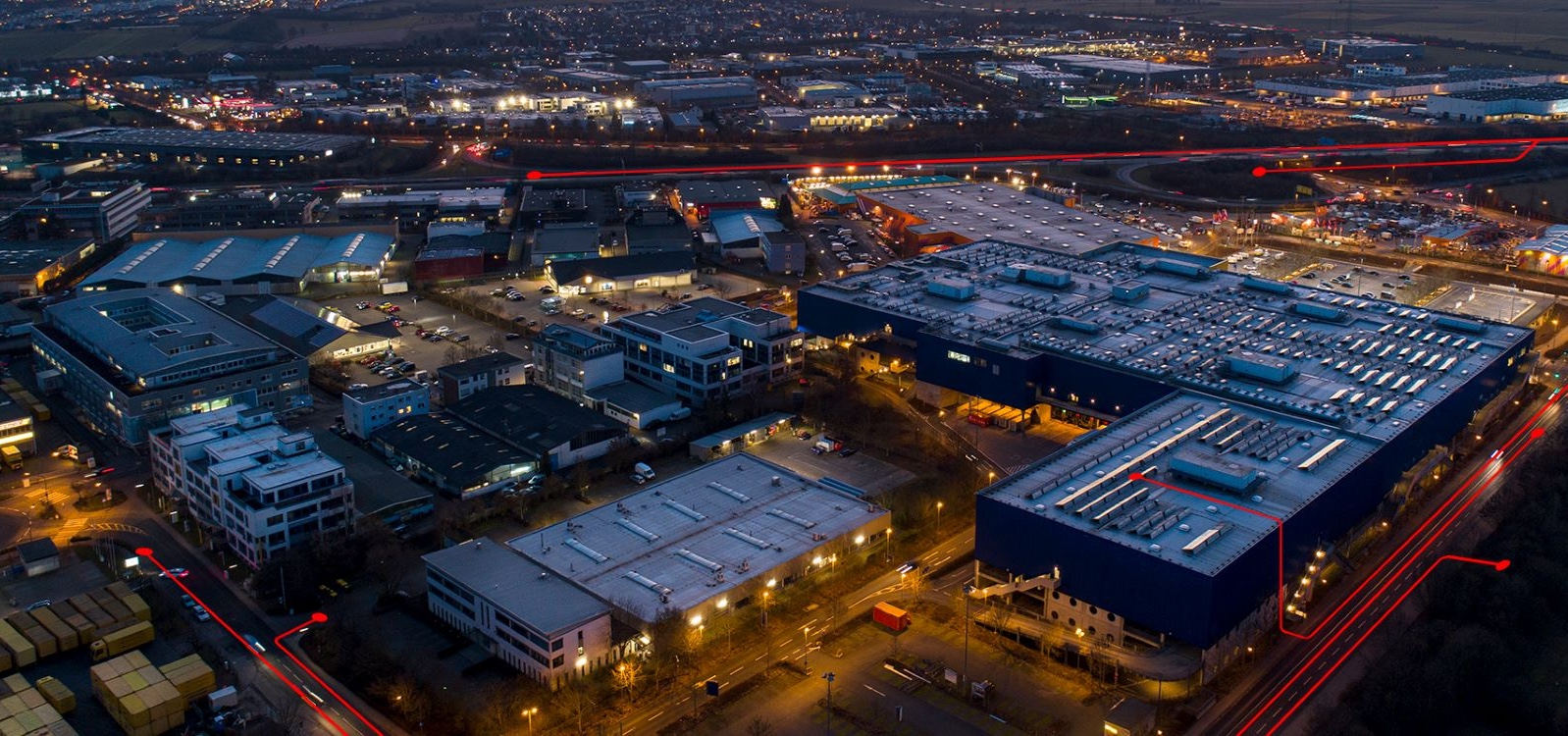
Switchgears are essential in electrical power systems for controlling, protecting, and isolating equipment. They ensure safe and reliable power flow across networks. Among the most common types are Air-Insulated Switchgear (AIS) and Gas-Insulated Switchgear (GIS). Each has distinct features, benefits, and limitations that influence their application in different settings.

As June begins, many regions around the globe enter their most demanding energy season. Rising temperatures bring increased use of HVAC systems, refrigeration, and cooling equipment—especially in industrial and commercial environments. For electrical engineers and facility managers, this means one thing: your systems must be ready for peak load performance.

Value engineering (VE) is a systematic and disciplined approach aimed at enhancing the value of a project by evaluating functions and identifying opportunities to reduce costs while maintaining or improving safety, reliability, and performance. In electrical engineering projects, VE is especially crucial due to the high capital investments and the need for long-term operational efficiency. The goal is not simply cost-cutting but optimizing solutions to deliver the best value over the project lifecycle.

Low Voltage (LV) boards, also known as switchboards, play a central role in distributing electricity within facilities safely and efficiently. They are commonly available in two configurations: withdrawable and fixed. Each type offers distinct advantages depending on the operational requirements of the installation. Choosing between withdrawable and fixed LV boards depends on a variety of factors, including system criticality, maintenance strategy, space constraints, and budget.
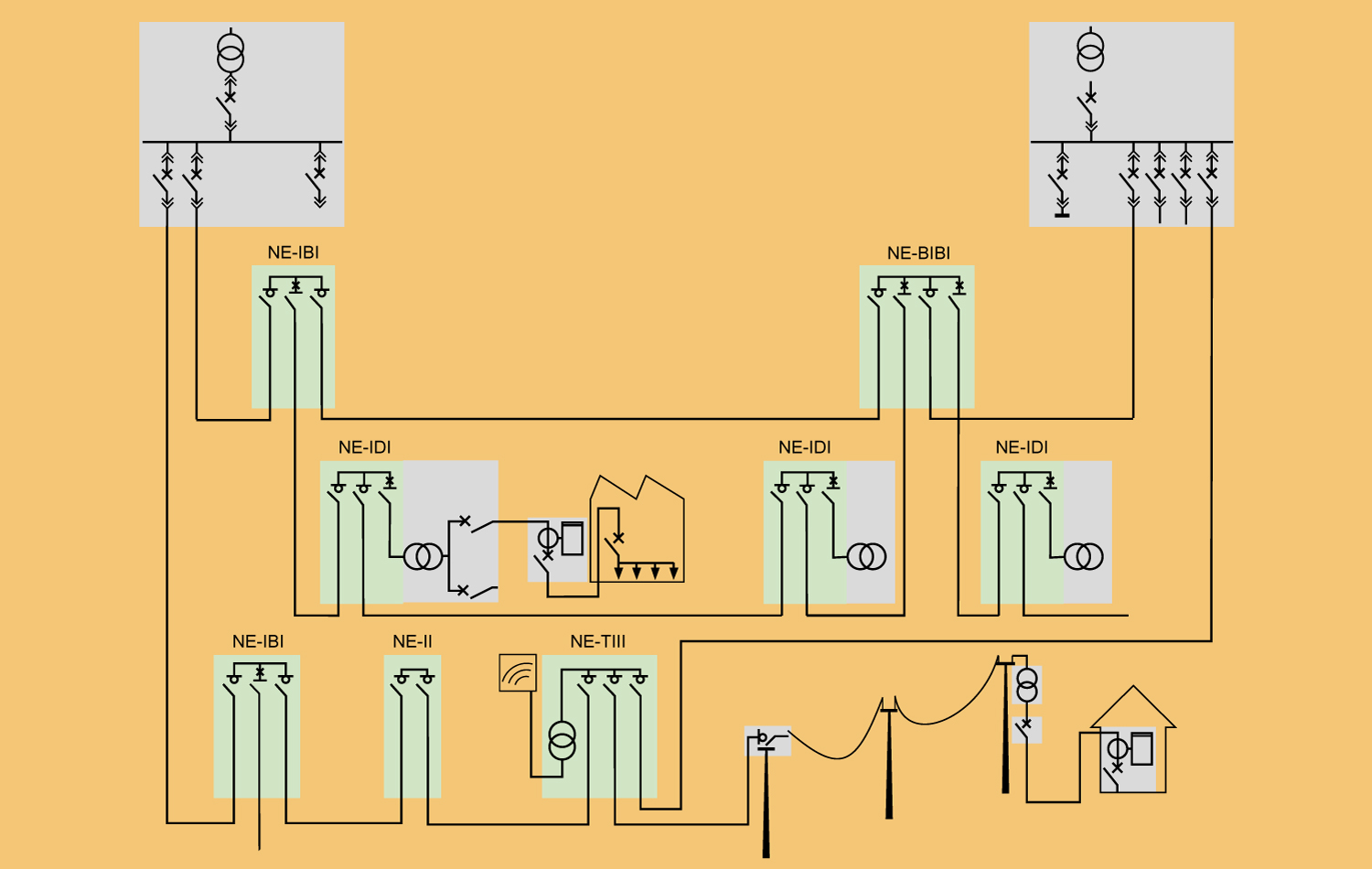
Directional relays play a critical role in power distribution systems, ensuring proper fault detection and isolation while maintaining system stability and reliability. These relays are particularly useful in complex networks where power flow can change direction, such as ring mains, parallel feeders, or interconnected grids.
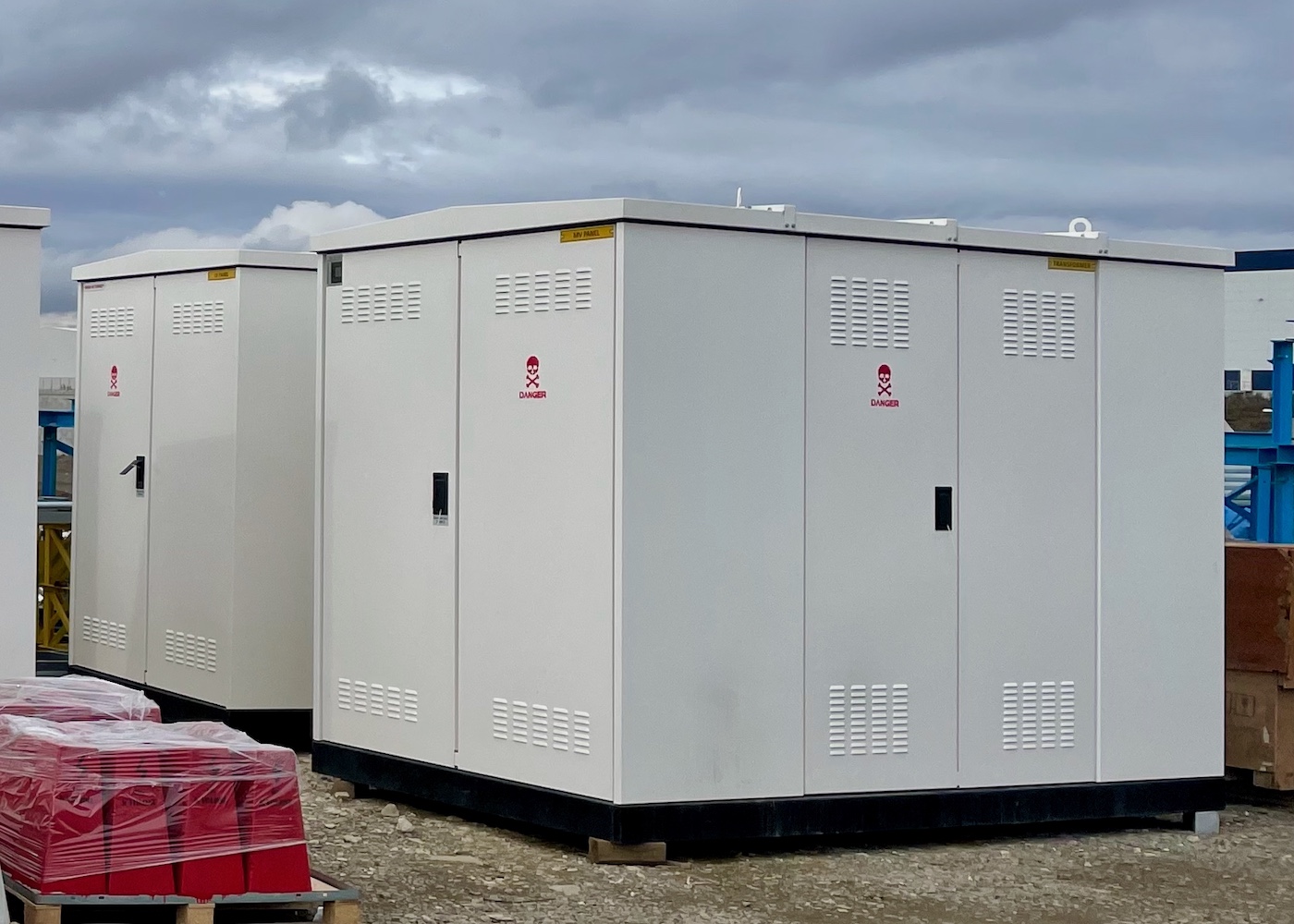
In the power industry, reliability and continuity of electrical supply are crucial for industrial, commercial, and residential consumers. However, unforeseen emergencies such as natural disasters, equipment failures, or infrastructure upgrades can lead to unexpected power outages. Mobile prefabricated substations serve as an efficient and flexible solution for restoring power in such scenarios
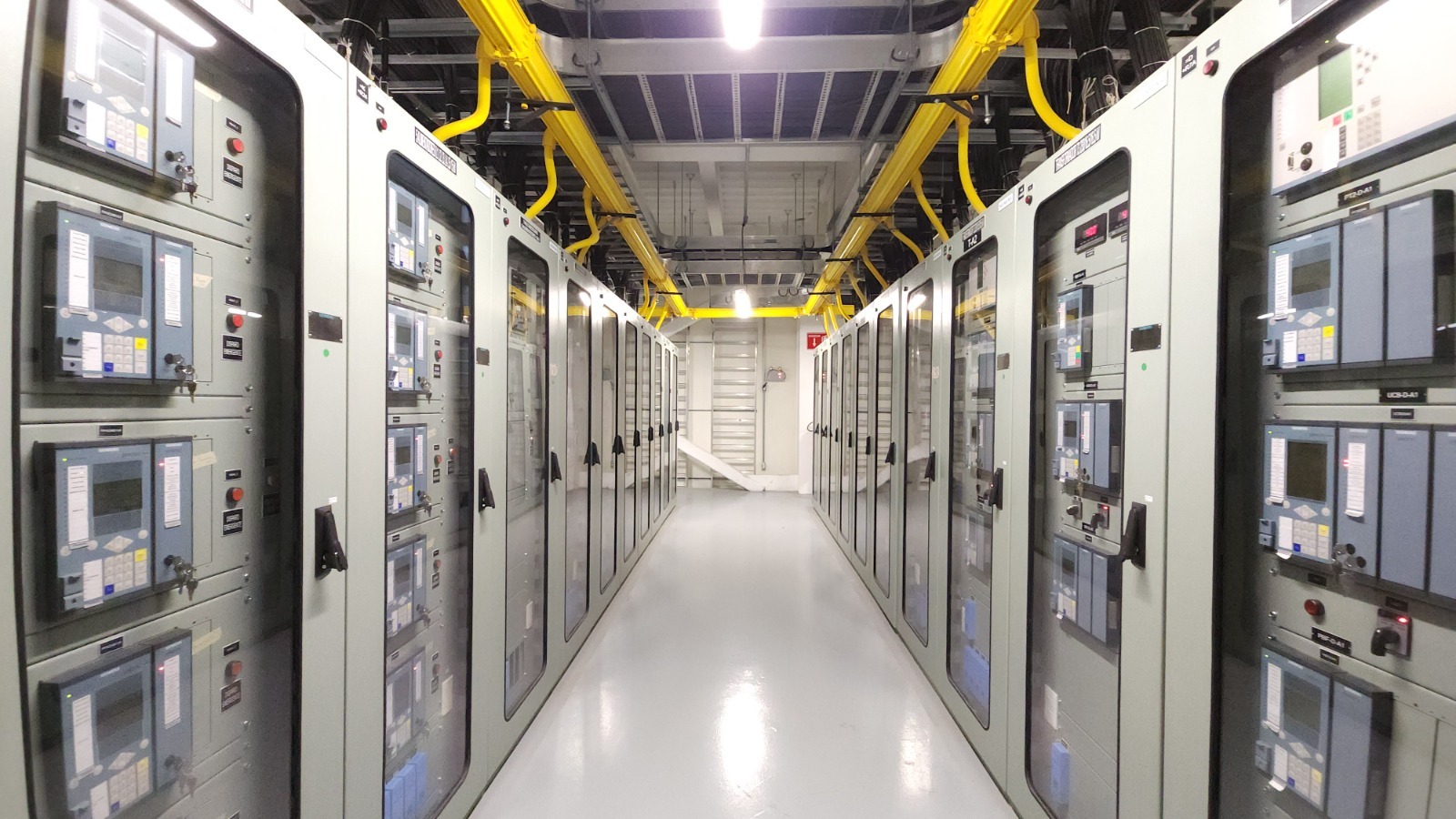
In modern electrical power systems, integrating Low Voltage (LV) boards with Supervisory Control and Data Acquisition (SCADA) systems is essential for efficient real-time monitoring and control. This process enhances system reliability, optimizes energy usage, and improves operational decision-making.

In electrical power engineering, proper cable terminations are crucial for ensuring the safe and reliable performance of high-voltage and medium-voltage power systems. Heat shrink and cold shrink termination kits are two widely used methods for insulating and sealing cable ends, each with distinct characteristics, advantages, and applications.
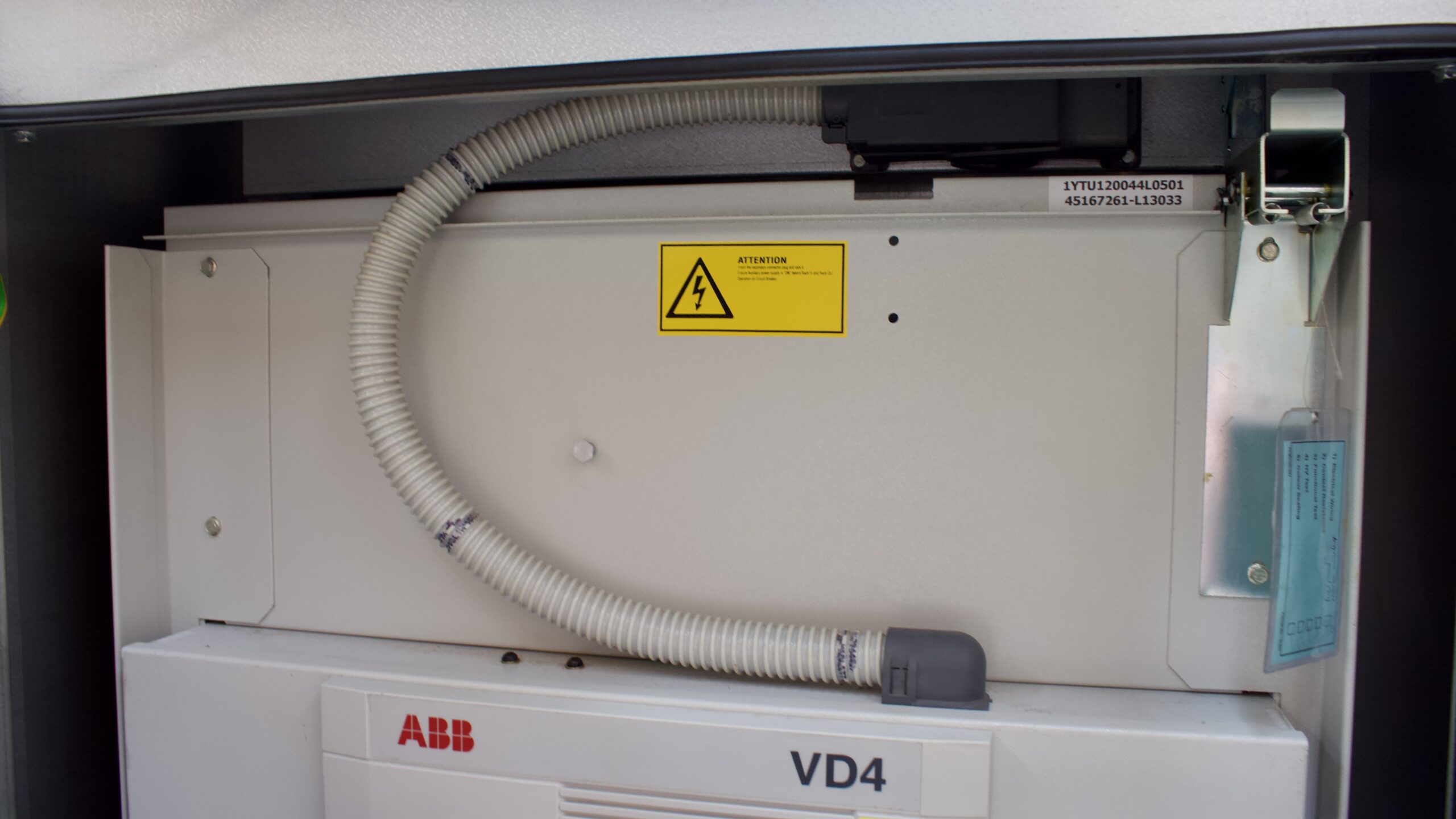
Circuit breakers play a vital role in electrical switchgear systems, ensuring the protection and control of electrical networks. One of the critical decisions when designing or upgrading switchgear is choosing between fixed and withdrawable circuit breakers. Each type has its advantages and is suited for different applications. The choice depends on various factors, including reliability, maintenance requirements, operational flexibility, and cost.
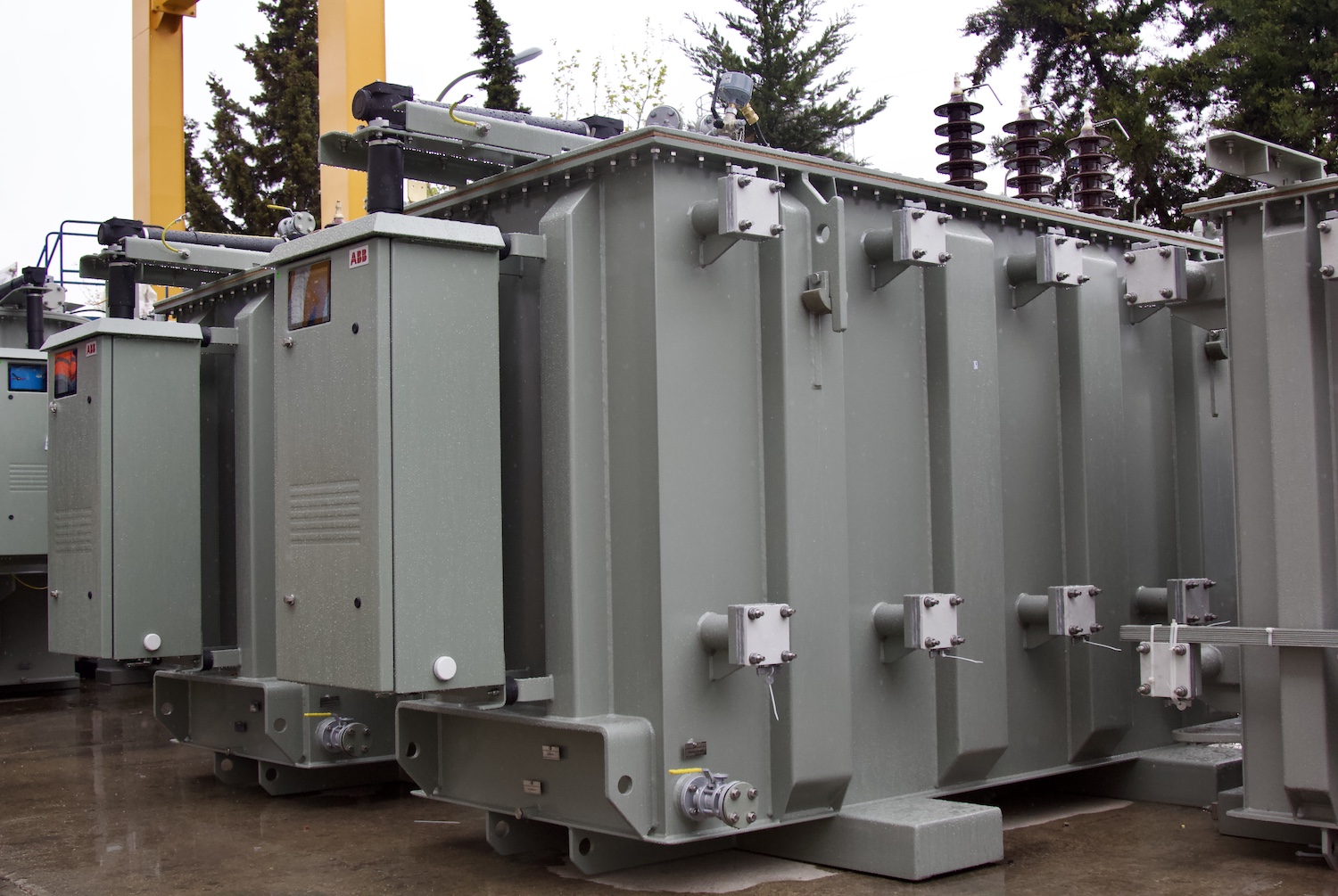
Voltage regulation in transformers is critical to ensuring stable and efficient operation in electrical power systems. Variations in load or supply voltage can lead to deviations from the desired voltage levels, potentially impacting the reliability and performance of equipment and infrastructure. Two primary techniques for regulating transformer voltage are On-Load Tap Changers (OLTC) and Off-Load Tap Changers (Off-Load Options).