


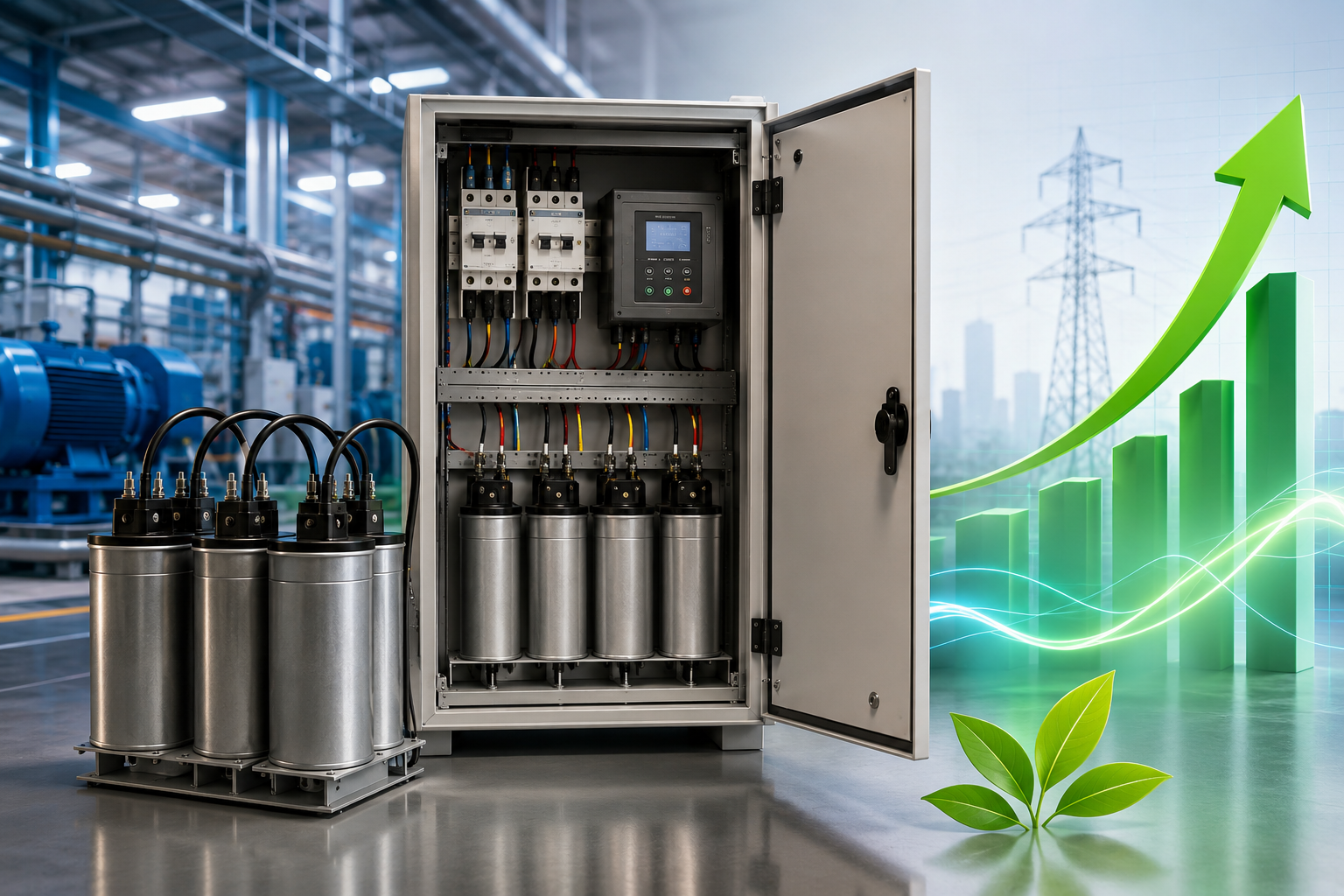
Power Factor Correction (PFC) is a critical technique in electrical power systems used to improve the efficiency of power utilization and reduce energy losses. In industrial and commercial installations, where inductive loads such as motors, transformers, and fluorescent lighting are prevalent, poor power factor is a common issue that leads to higher currents, increased losses, and unnecessary costs.

In electrical power systems, Current Transformers (CTs) and Voltage Transformers (VTs) — collectively known as instrument transformers — play a vital role in both metering and protection. They form the bridge between high-voltage power circuits and low-voltage measuring and protection devices, enabling safe, accurate, and reliable system operation.

Battery Energy Storage Systems (BESS) are pivotal in modern power systems, offering flexibility, reliability, and resilience to both utility-scale and distributed energy networks. Whether used for backup power or grid support, the design of a BESS must be tailored to its application, environment, and operational objectives. Here are the key design considerations that engineers must evaluate.

As June begins, many regions around the globe enter their most demanding energy season. Rising temperatures bring increased use of HVAC systems, refrigeration, and cooling equipment—especially in industrial and commercial environments. For electrical engineers and facility managers, this means one thing: your systems must be ready for peak load performance.

Low Voltage (LV) boards, also known as switchboards, play a central role in distributing electricity within facilities safely and efficiently. They are commonly available in two configurations: withdrawable and fixed. Each type offers distinct advantages depending on the operational requirements of the installation. Choosing between withdrawable and fixed LV boards depends on a variety of factors, including system criticality, maintenance strategy, space constraints, and budget.

Retrofitting lighting systems is an essential component of energy efficiency and infrastructure modernization in both commercial and industrial environments. Lighting accounts for a significant portion of electricity consumption, especially in large facilities such as factories, offices, and public infrastructure. Retrofit solutions offer cost-effective strategies to reduce energy usage, improve lighting quality, and minimize operational expenses without the need for complete system overhauls.
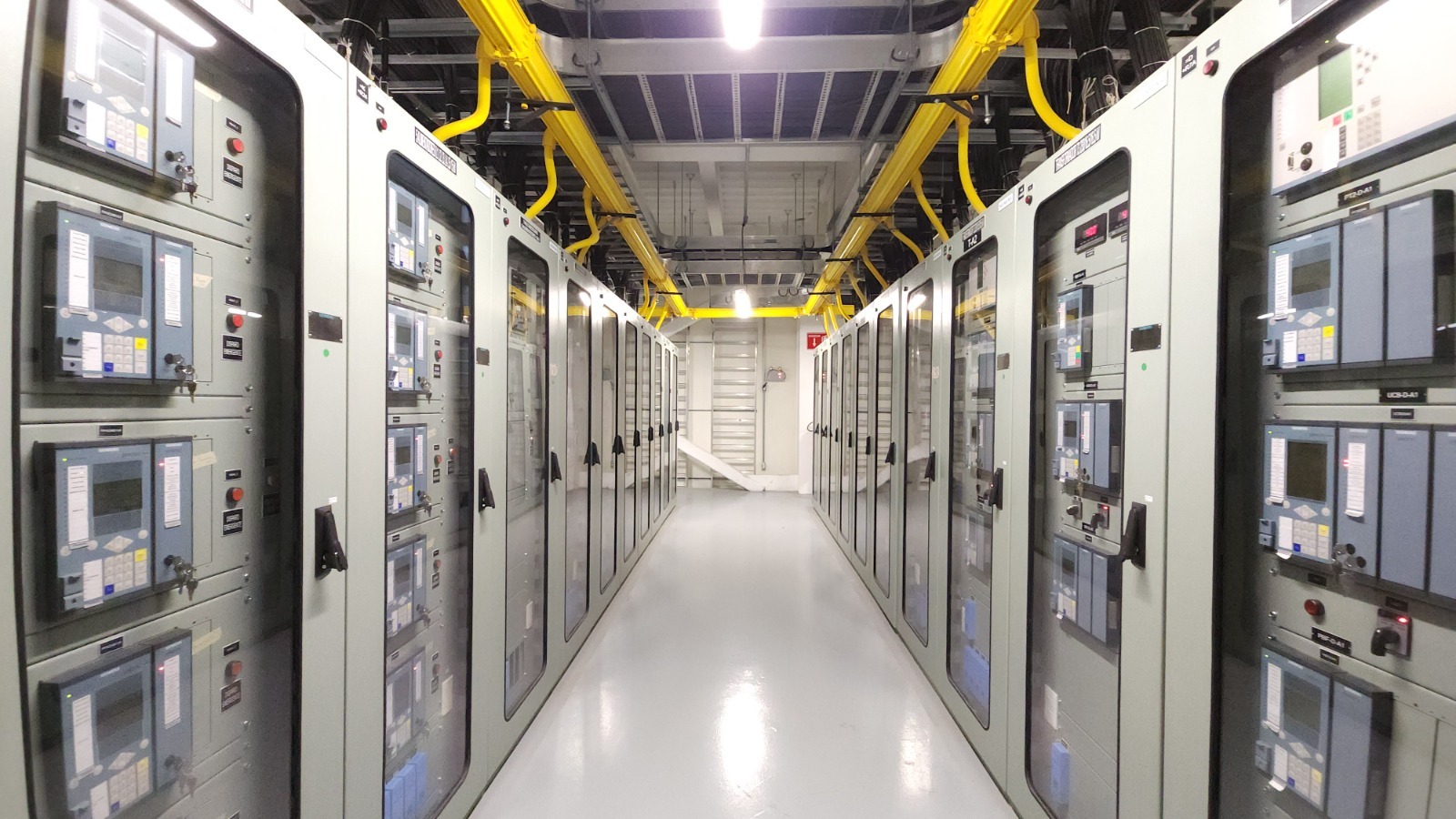
In modern electrical power systems, integrating Low Voltage (LV) boards with Supervisory Control and Data Acquisition (SCADA) systems is essential for efficient real-time monitoring and control. This process enhances system reliability, optimizes energy usage, and improves operational decision-making.
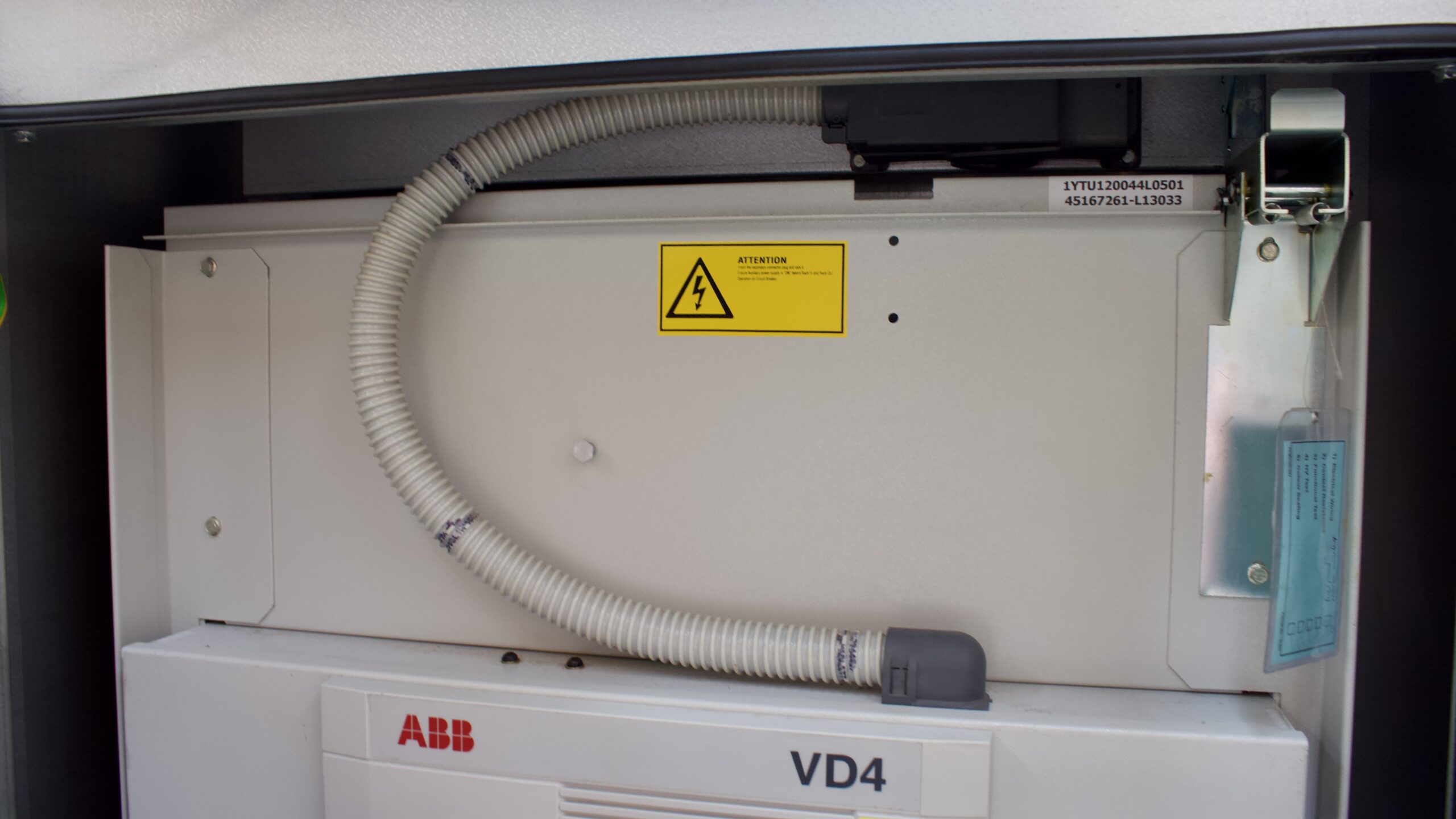
Circuit breakers play a vital role in electrical switchgear systems, ensuring the protection and control of electrical networks. One of the critical decisions when designing or upgrading switchgear is choosing between fixed and withdrawable circuit breakers. Each type has its advantages and is suited for different applications. The choice depends on various factors, including reliability, maintenance requirements, operational flexibility, and cost.

Energy efficiency is a key driver for sustainability, cost reduction, and operational optimization in industries, commercial buildings, and residential facilities. An energy audit is a systematic approach to assessing energy consumption, identifying inefficiencies, and proposing cost-effective solutions to enhance energy savings. This article explores energy audit methodologies, essential tools, and strategies to maximize energy savings.
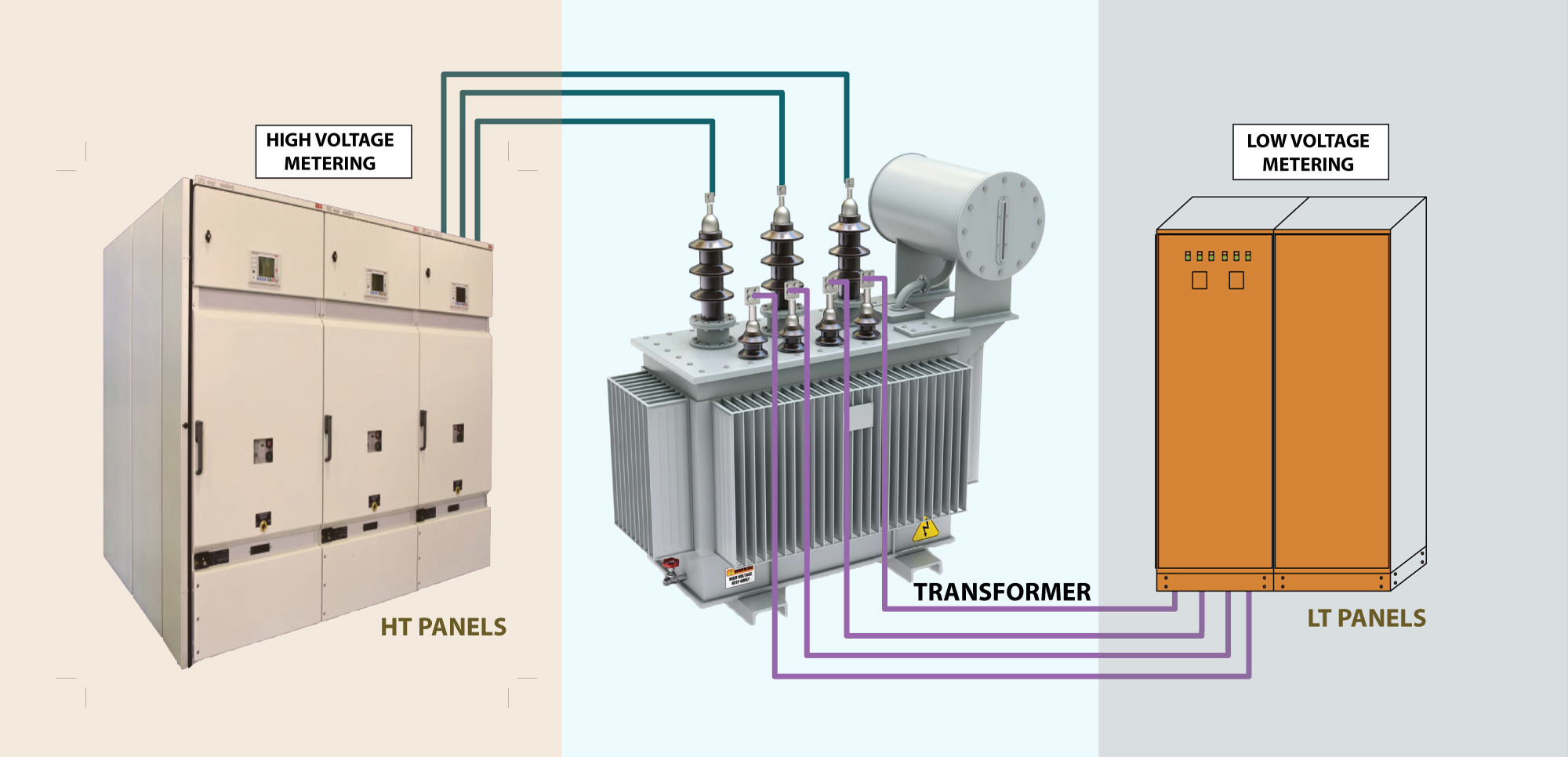
Metering in power systems is essential for accurately measuring electricity usage and managing energy distribution. The two main types of metering are High Voltage (HV) metering and Low Voltage (LV) metering. Each type has specific advantages and disadvantages and is suited for different applications depending on accuracy, cost, and customer type.