


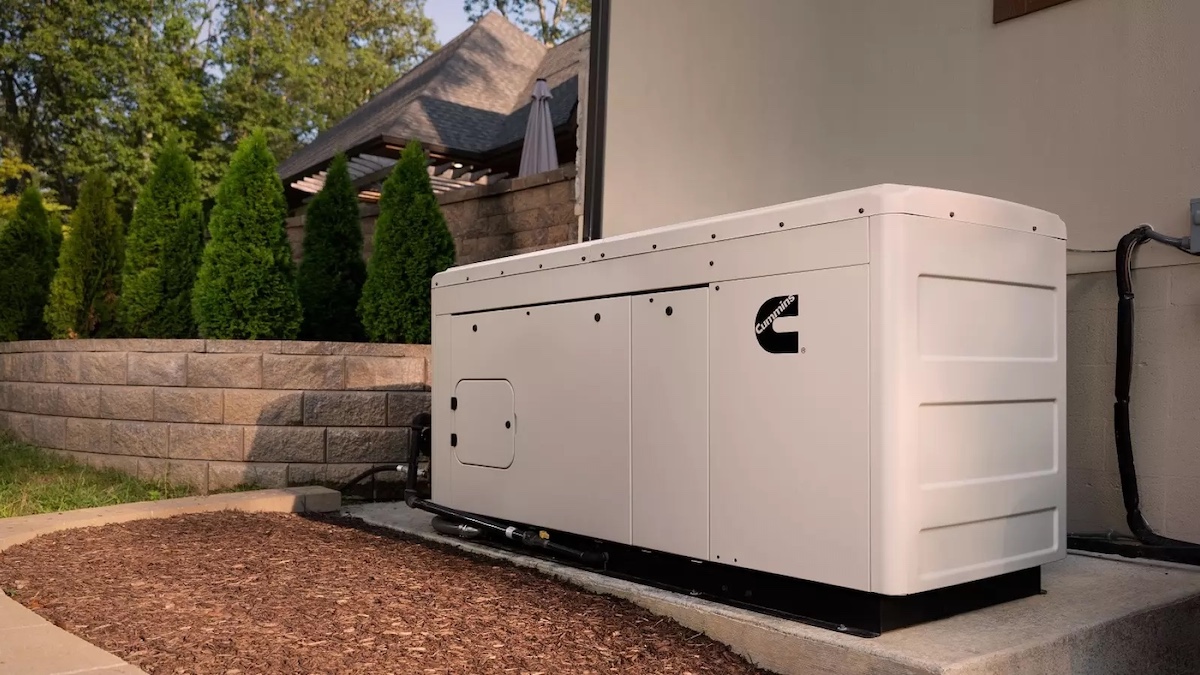
Choosing the right generator size is essential for ensuring that your power needs are met without interruptions or excessive costs. Whether you’re planning for a home, small business, or construction project, an appropriately sized generator will provide reliable power without risking equipment damage or running inefficiently. Here’s a simple guide on how to determine the right generator size without needing an engineering background.
CALCULATE YOUR POWER NEEDS
The first step is to understand how much power you’ll need. Power is typically measured in watts (W) or kilowatts (kW), where 1 kW equals 1,000 watts. Generators are rated by their kilowatt (kW) or kVA (kilo-volt-ampere) capacity.
• Identify essential equipment: Make a list of devices and equipment that will run on the generator. For example, in a home, this could include lights, refrigerators, a heating system, and electronics.
• Check wattage requirements: Each appliance has a label or a manual that indicates its wattage requirement. If you can’t find the exact wattage, use average estimates (e.g., lights may use about 60-100 W, a refrigerator around 600 W).
ACCOUNT FOR STARTING VS. RUNNING POWER
Many devices, especially those with motors (like refrigerators, air conditioners, or power tools), require more power to start up than to keep running. This initial demand is called surge power or starting wattage, while the power needed to run continuously is called running wattage.
For example:
• A refrigerator might need 1,200 W to start but only 600 W to run.
• Air conditioners can require several thousand watts to start but may need only half of that once they’re running.
Key Tip: Ensure your generator can handle the total surge power of all the devices that might start simultaneously. Typically, adding 20-30% to the running wattage will give you an estimate that can handle startup surges.
ADD UP THE WATTAGE REQUIREMENTS
Once you have the wattage for each device, add them up. This gives you the total running wattage required. Don’t forget to include any outdoor lighting, pumps, or additional equipment if relevant to your project.
Example Calculation:
• Lighting: 500 W
• Refrigerator: 600 W (running), 1,200 W (starting)
• Heater: 1,500 W
• Small appliances: 800 W
In this case, the total running wattage would be 3,400 W. Including the additional starting wattage of 1,200 W for the refrigerator, you’ll need at least 4,600 W (or 4.6 kW) of generator capacity.
CONVERT TO KVA IF NEEDED
If your generator’s capacity is rated in kVA, you’ll need to convert your wattage estimate. In simple terms, kVA considers both the real power (kW) and apparent power (voltage and current). For most projects, especially home or light commercial, you can assume a power factor of around 0.8.
Formula: kW ÷ 0.8 = kVA
For example, if you need 4.6 kW of power:
• 4.6 kW ÷ 0.8 = 5.75 kVA
In this case, you’d need a generator with a capacity of at least 5.75 kVA.
CONSIDER ADDITIONAL LOAD REQUIREMENTS
If you anticipate adding more equipment or devices, consider selecting a generator with a slightly higher capacity to accommodate growth. Also, if your project involves sensitive equipment, such as computers, look for a generator with inverter technology or voltage regulation features to ensure a stable power supply.
FACTOR IN FUEL CONSUMPTION AND EFFICIENCY
Larger generators consume more fuel, so it’s a good idea to balance your power requirements with efficiency. A slightly larger generator might run more efficiently than one constantly at full load, which can wear it out faster.
In Summary
1. Calculate running wattage for all devices.
2. Add surge wattage for devices with high startup needs.
3. Convert to kVA if necessary.
4. Add a safety margin for future growth or unexpected load increases.
This approach should help you select a generator size that meets your needs without overspending on a unit that’s too large or risking under-powering your project with one that’s too small. For added assurance, consulting with a generator supplier or technician can help refine your calculations based on the specific equipment or local conditions.
For an unmatched reliability, expert guidance, and comprehensive support. Our top-tier generator brands, competitive pricing, and commitment to sustainability make us the ideal choice for businesses and contractors. Choose us for peace of mind, reliability, and excellence in power supply. Contact us today to learn more about our range of original generators.
Comments are closed