


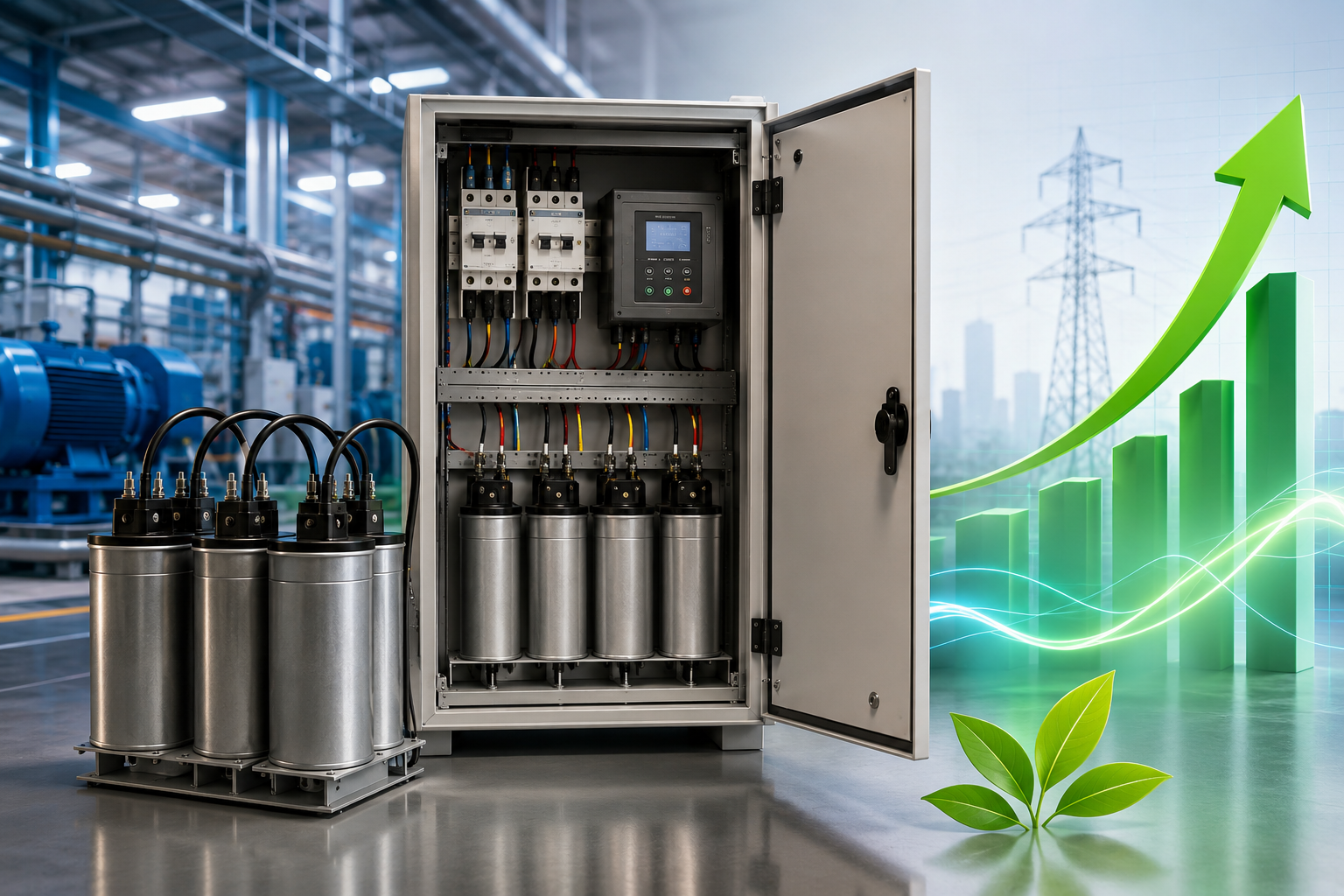
Power Factor Correction (PFC) is a critical technique in electrical power systems used to improve the efficiency of power utilization and reduce energy losses. In industrial and commercial installations, where inductive loads such as motors, transformers, and fluorescent lighting are prevalent, poor power factor is a common issue that leads to higher currents, increased losses, and unnecessary costs.
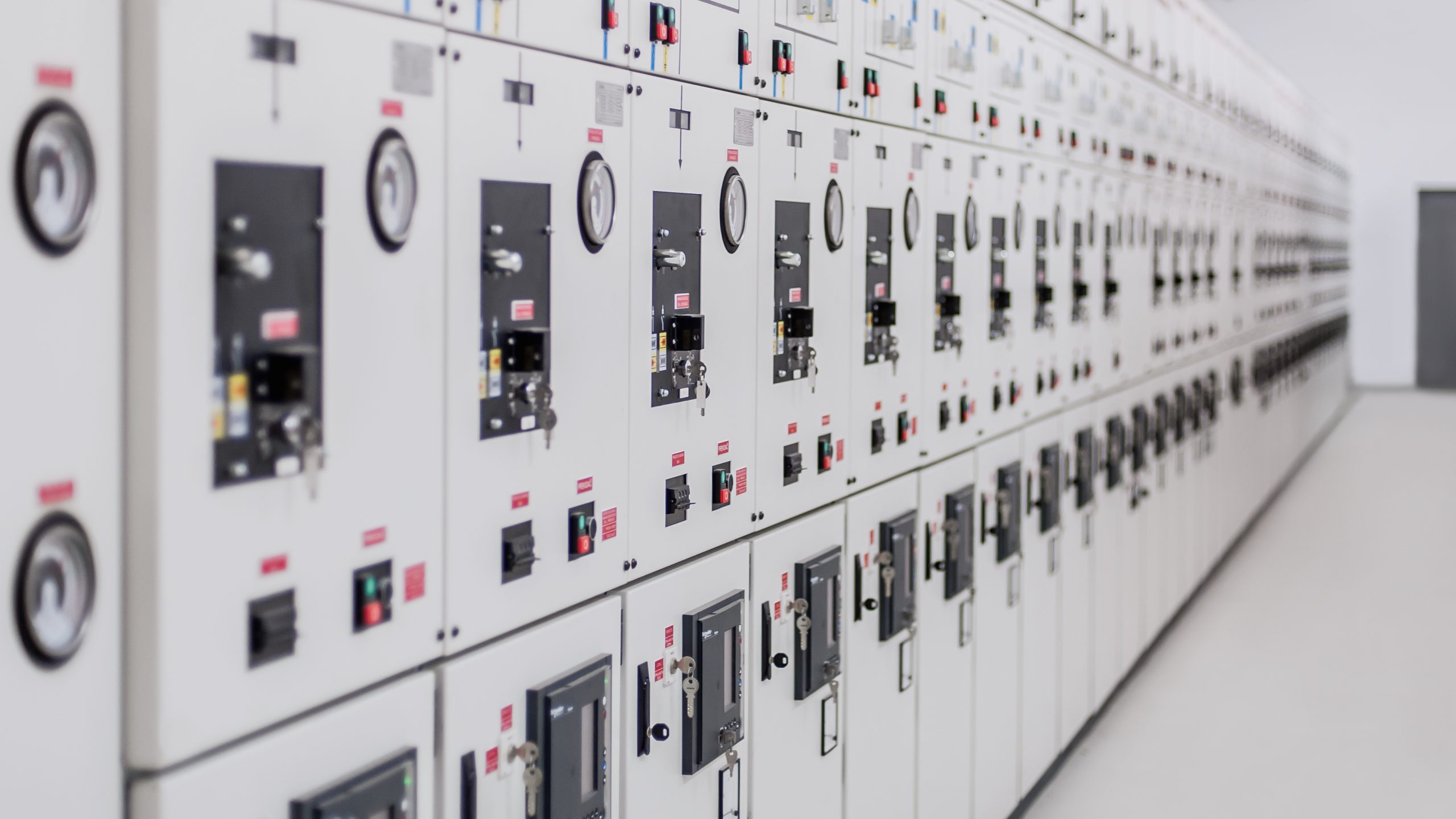
Designing modular switchgear systems has become a cornerstone of modern electrical infrastructure, particularly in applications where scalability, flexibility, and lifecycle efficiency are critical. As power networks evolve—driven by urban expansion, renewable integration, and industrial growth—traditional fixed switchgear solutions often struggle to keep pace with changing requirements. Modular switchgear addresses these challenges by offering adaptable configurations that can be expanded or modified with minimal disruption.
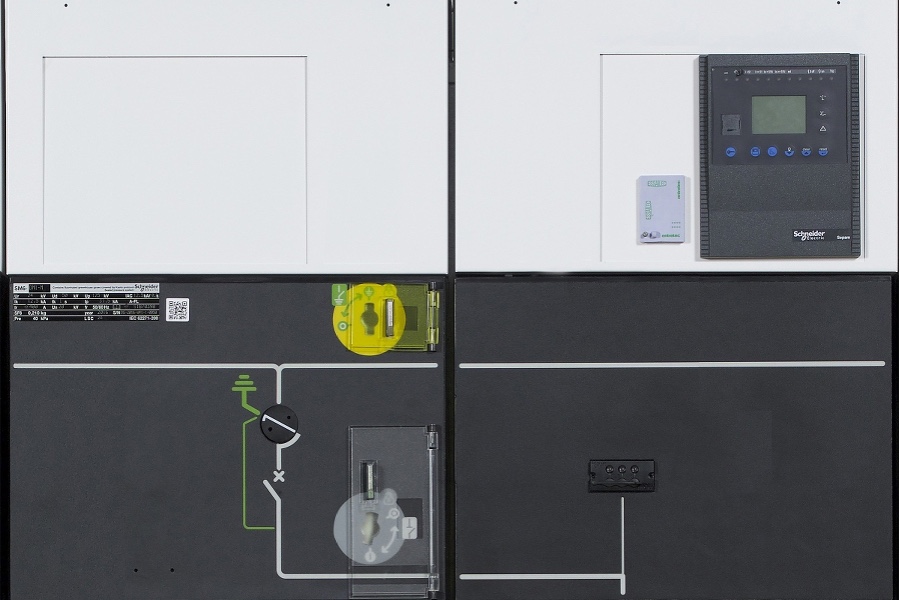
In medium voltage (MV) power systems—typically operating between 1 kV and 36 kV—switchgear controls, protects, and isolates electrical equipment. Because of the high energy involved, minor operational errors can cause equipment damage or personnel injury. Interlocking systems are a critical layer of protection that prevent unsafe operating sequences and ensure reliable operation.

In the electrical power industry, successful project execution depends not only on engineering expertise but also on strong collaboration with suppliers and panel builders. As projects become increasingly complex and timelines tighter, forming strategic partnerships with these stakeholders is no longer optional—it is a necessity.

Protective relays are critical components in electrical power systems, acting as the “nervous system” that detects faults and initiates rapid isolation of affected sections. Their primary purpose is to safeguard power system equipment, maintain system stability, and ensure personnel safety by preventing damage and limiting fault propagation.
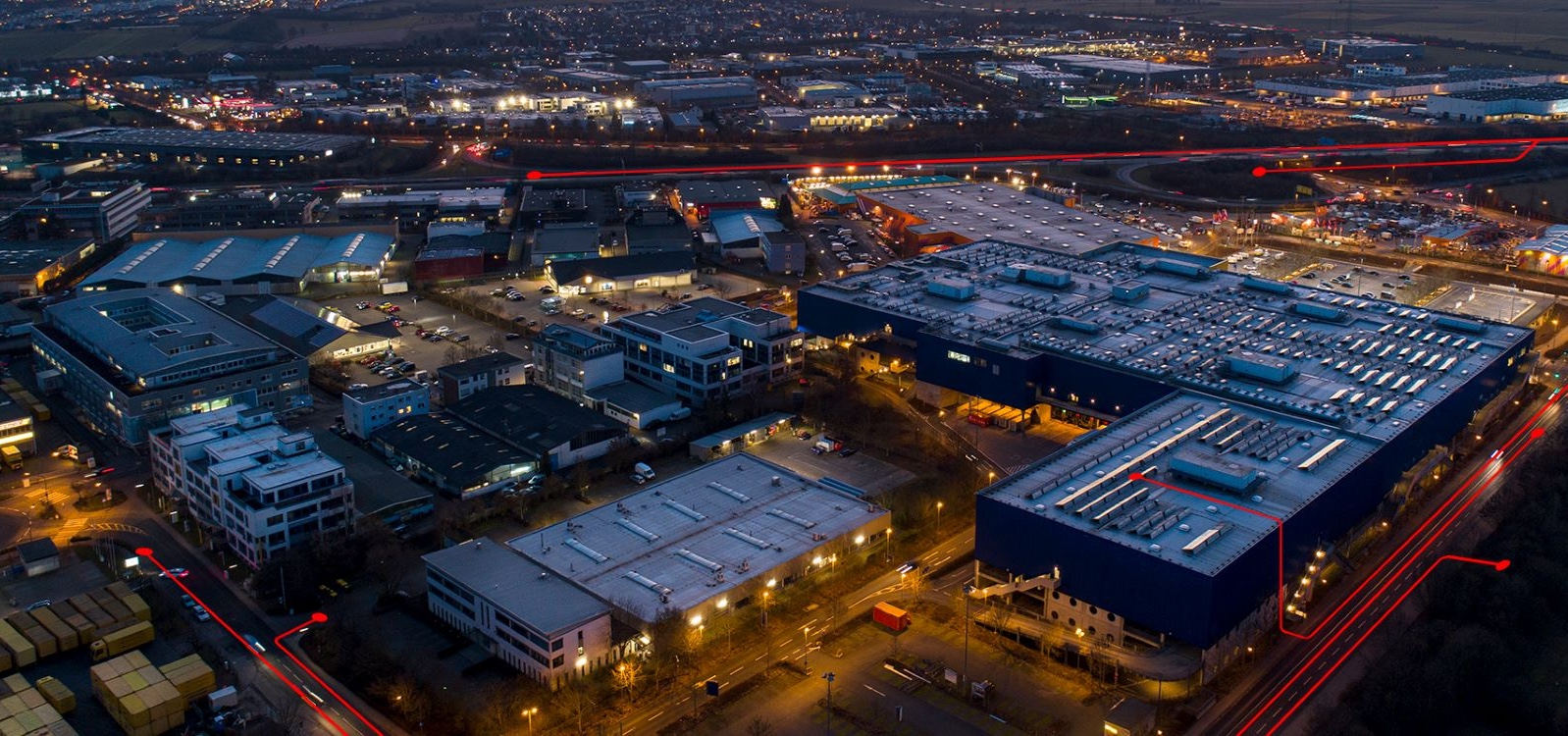
Switchgears are essential in electrical power systems for controlling, protecting, and isolating equipment. They ensure safe and reliable power flow across networks. Among the most common types are Air-Insulated Switchgear (AIS) and Gas-Insulated Switchgear (GIS). Each has distinct features, benefits, and limitations that influence their application in different settings.

Value engineering (VE) is a systematic and disciplined approach aimed at enhancing the value of a project by evaluating functions and identifying opportunities to reduce costs while maintaining or improving safety, reliability, and performance. In electrical engineering projects, VE is especially crucial due to the high capital investments and the need for long-term operational efficiency. The goal is not simply cost-cutting but optimizing solutions to deliver the best value over the project lifecycle.
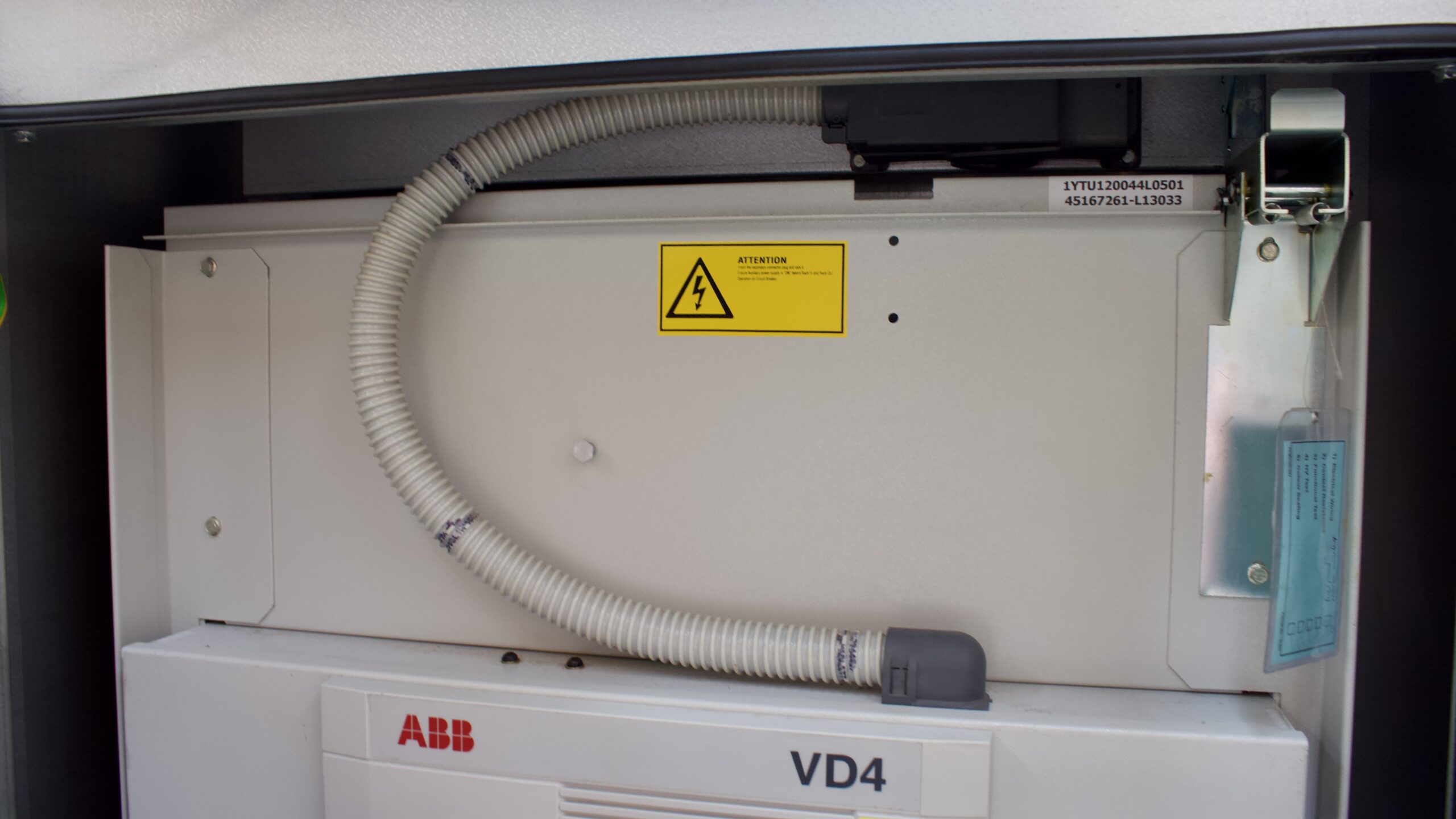
Circuit breakers play a vital role in electrical switchgear systems, ensuring the protection and control of electrical networks. One of the critical decisions when designing or upgrading switchgear is choosing between fixed and withdrawable circuit breakers. Each type has its advantages and is suited for different applications. The choice depends on various factors, including reliability, maintenance requirements, operational flexibility, and cost.