


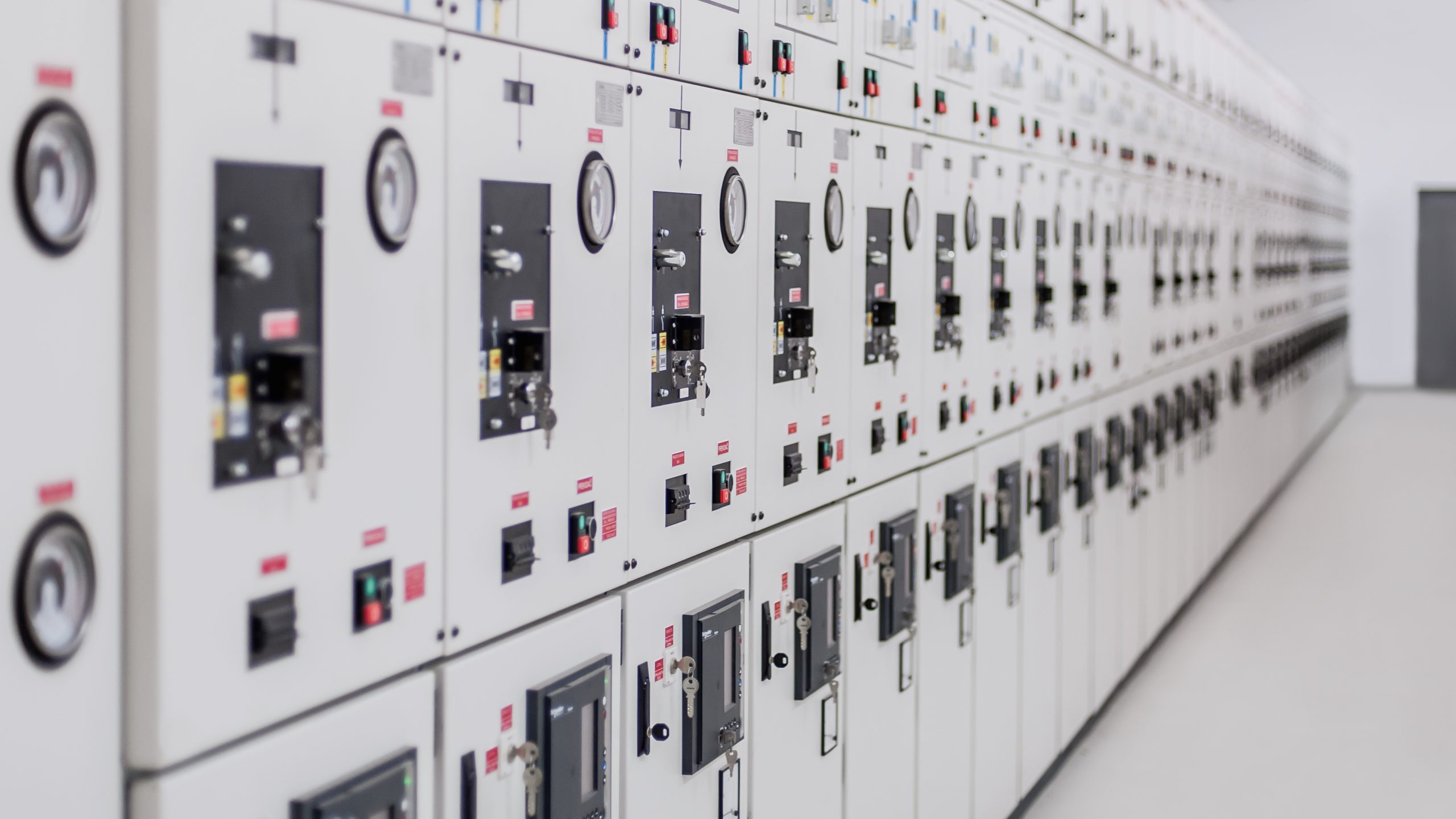
Designing modular switchgear systems has become a cornerstone of modern electrical infrastructure, particularly in applications where scalability, flexibility, and lifecycle efficiency are critical. As power networks evolve—driven by urban expansion, renewable integration, and industrial growth—traditional fixed switchgear solutions often struggle to keep pace with changing requirements. Modular switchgear addresses these challenges by offering adaptable configurations that can be expanded or modified with minimal disruption.
Switchgears are essential in electrical power systems for controlling, protecting, and isolating equipment. They ensure safe and reliable power flow across networks. Among the most common types are Air-Insulated Switchgear (AIS) and Gas-Insulated Switchgear (GIS). Each has distinct features, benefits, and limitations that influence their application in different settings.

As June begins, many regions around the globe enter their most demanding energy season. Rising temperatures bring increased use of HVAC systems, refrigeration, and cooling equipment—especially in industrial and commercial environments. For electrical engineers and facility managers, this means one thing: your systems must be ready for peak load performance.

Value engineering (VE) is a systematic and disciplined approach aimed at enhancing the value of a project by evaluating functions and identifying opportunities to reduce costs while maintaining or improving safety, reliability, and performance. In electrical engineering projects, VE is especially crucial due to the high capital investments and the need for long-term operational efficiency. The goal is not simply cost-cutting but optimizing solutions to deliver the best value over the project lifecycle.