


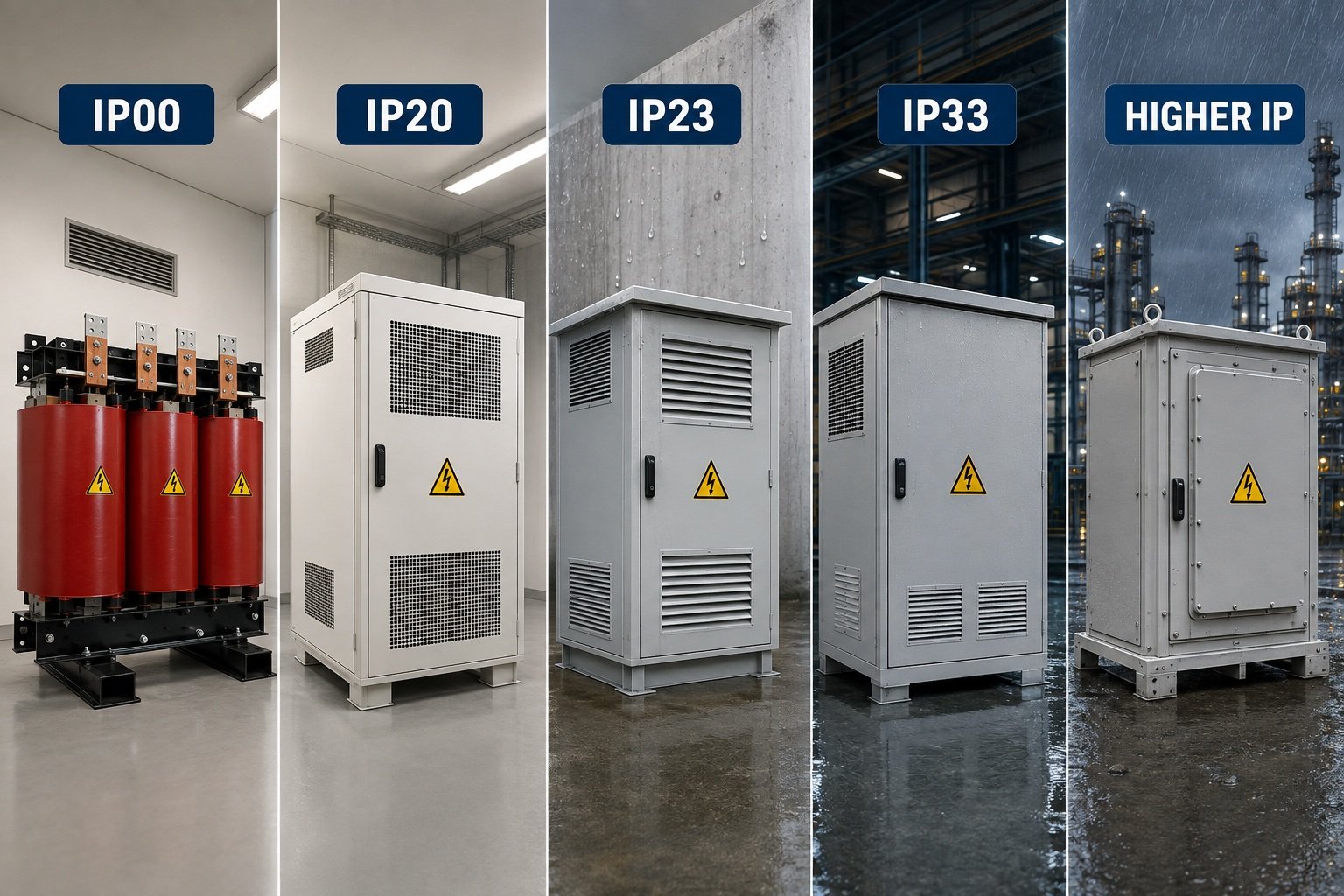
Cast resin dry-type transformers are widely used in commercial buildings, industrial plants, hospitals, data centers, infrastructure projects, and indoor substations because of their fire performance, low maintenance requirements, and suitability for installation close to electrical loads. However, one important specification that is sometimes treated as a secondary detail is the transformer enclosure IP rating.

Lighting plays a critical role in how people perceive and interact with their environment. While energy efficiency and lumen output often receive the most attention, two equally important factors—Color Temperature and Color Rendering Index (CRI)—have a significant impact on productivity, comfort, safety, and overall user experience.
Understanding these lighting characteristics helps engineers, facility managers, architects, and business owners make informed decisions when selecting lighting solutions for different applications.
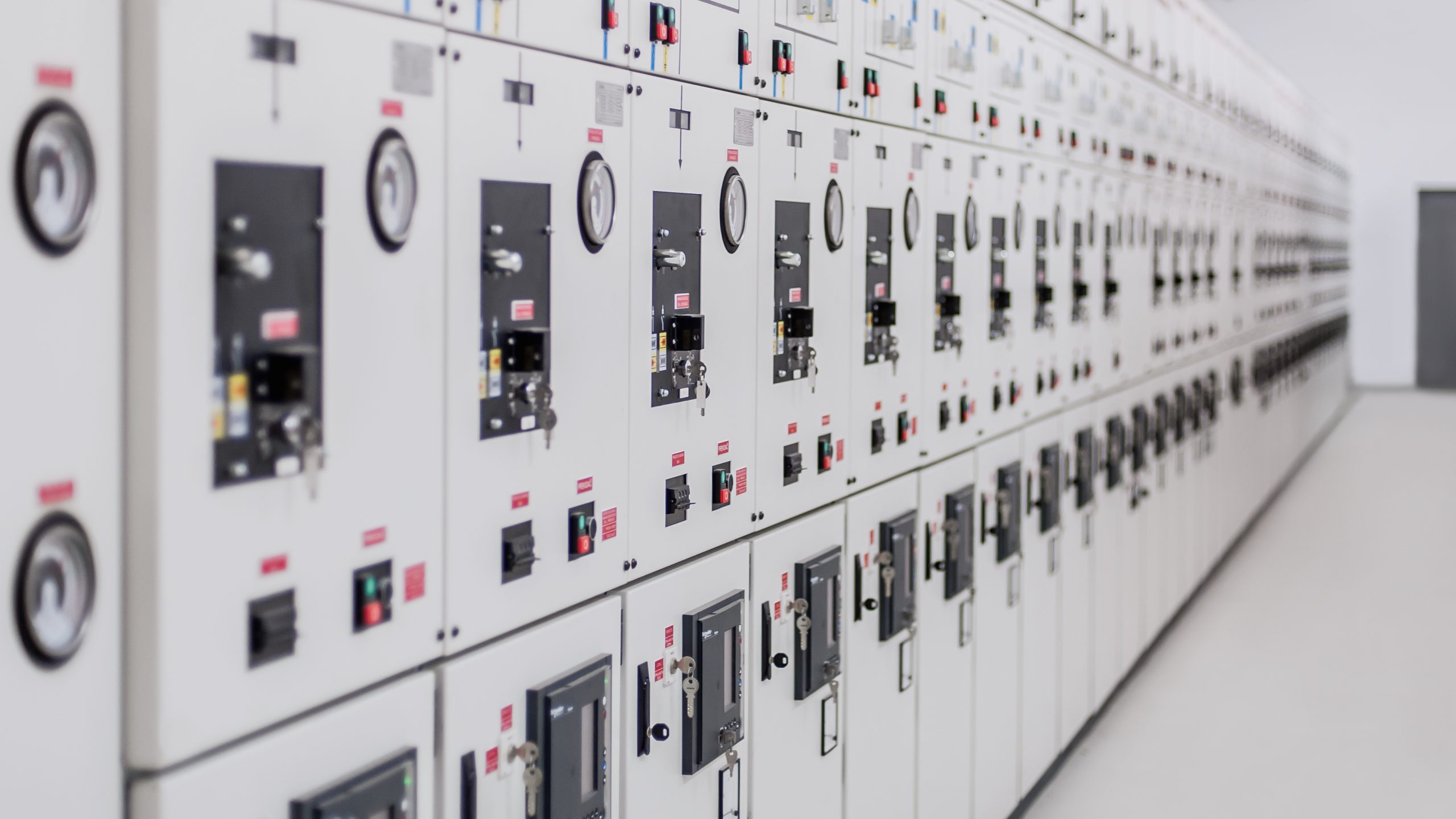
Designing modular switchgear systems has become a cornerstone of modern electrical infrastructure, particularly in applications where scalability, flexibility, and lifecycle efficiency are critical. As power networks evolve—driven by urban expansion, renewable integration, and industrial growth—traditional fixed switchgear solutions often struggle to keep pace with changing requirements. Modular switchgear addresses these challenges by offering adaptable configurations that can be expanded or modified with minimal disruption.

Creating an inviting outdoor space—whether for customers at a business or for family and friends at home—often hinges on good lighting. In spring and summer, when outdoor areas see the most use, proper illumination not only extends usable hours into the evening but also enhances ambience, safety, and functionality.
Outdoor lighting comes in various forms, and choosing the right solution depends on your needs, budget, and whether you prefer a DIY approach or professional installation.

Switchgears form the protective backbone of electrical power systems, ensuring safe isolation, control, and fault clearing across low- and medium-voltage networks. Their reliability depends heavily on correct installation, proper design selections, and disciplined maintenance. Among all failure sources, poor installation practices consistently rank as the leading root cause—causing defects that later evolve into thermal, mechanical, and insulation failures.
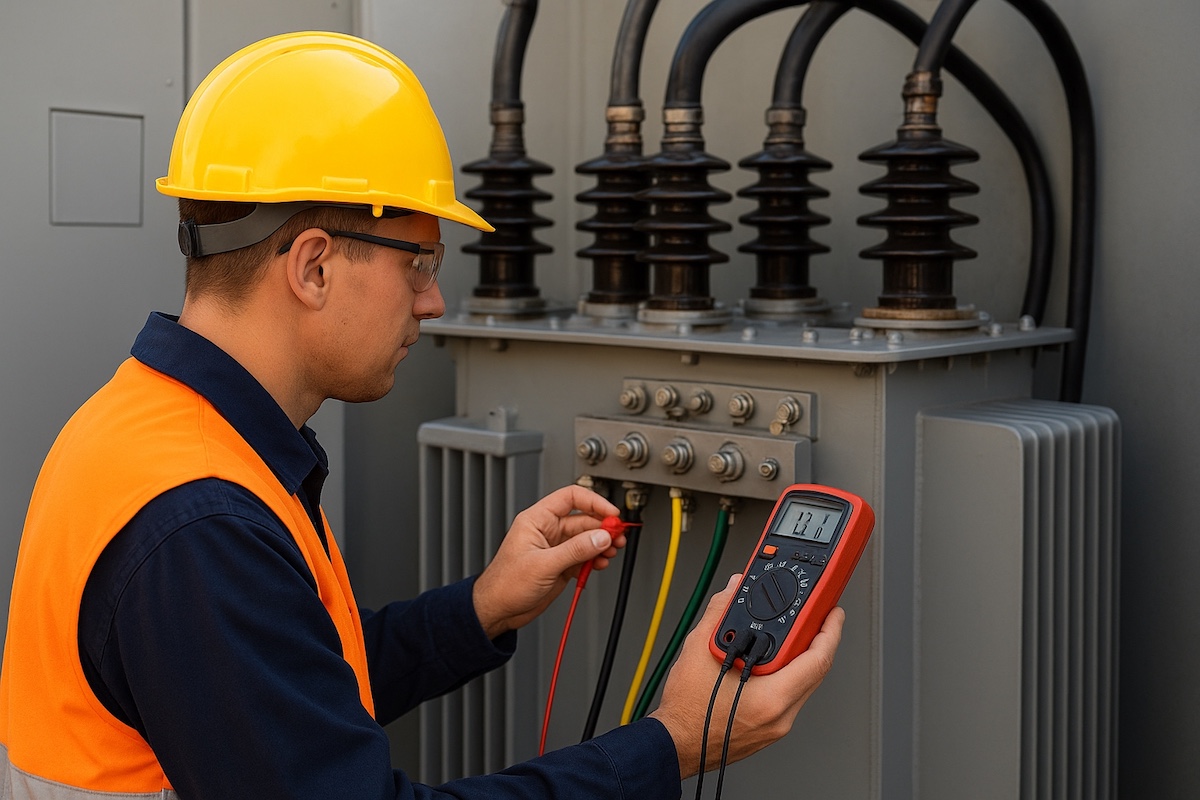
Testing and commissioning of electrical installations mark the critical final phase before energization of any power system—whether it’s an industrial plant, commercial building, or utility substation. This phase ensures that all installed electrical equipment and systems perform safely, efficiently, and in full compliance with design specifications, standards, and regulatory requirements.
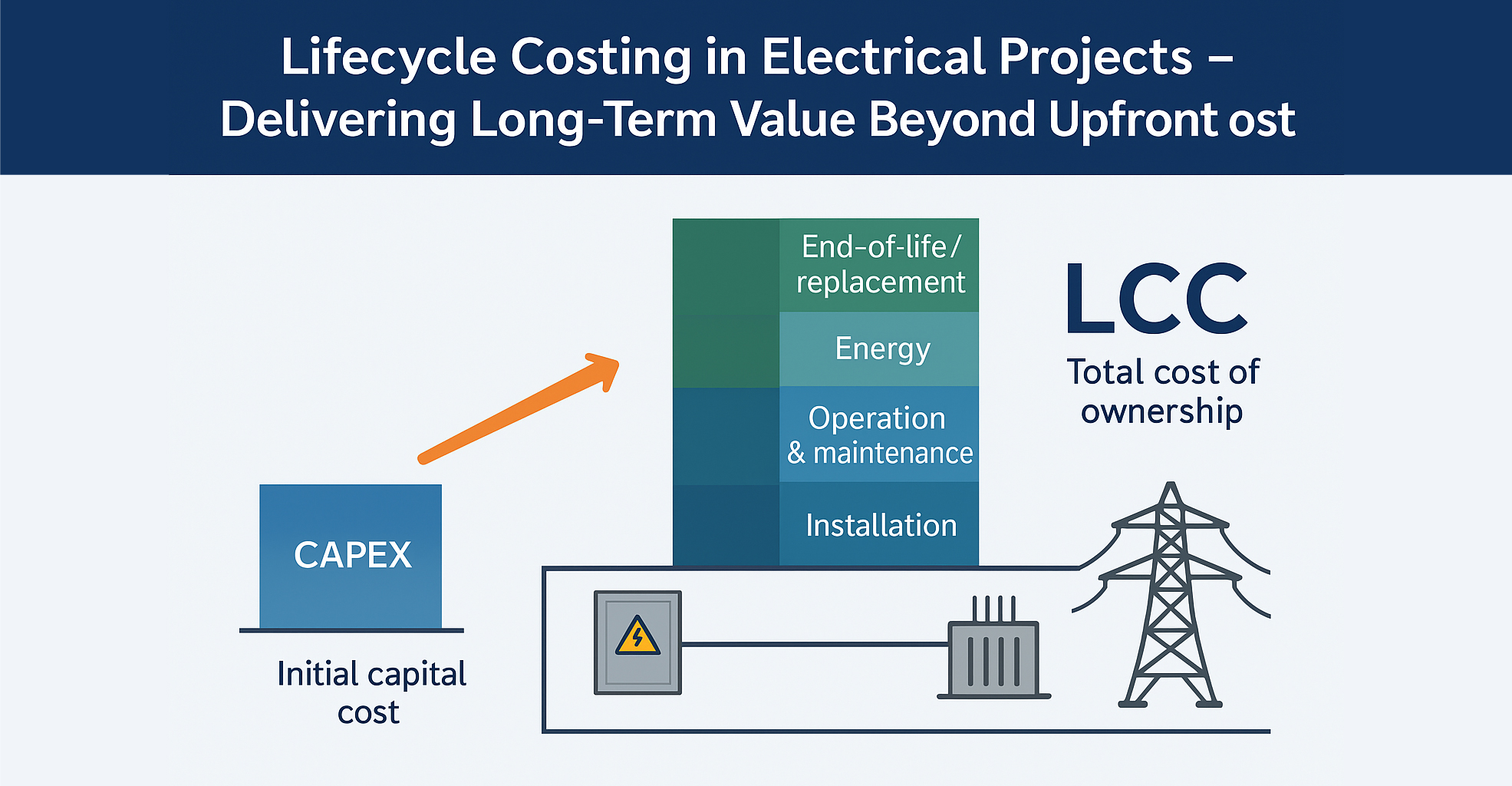
In electrical engineering, projects are often judged on their ability to meet technical requirements within budget and schedule. Too frequently, however, project evaluation focuses narrowly on capital expenditure (CAPEX), sidelining the costs that accumulate over the decades-long life of electrical infrastructure. Lifecycle Costing (LCC) offers a more strategic lens—one that considers not only the purchase price, but also operating, maintenance, reliability, and end-of-life costs.

In the electrical power industry, successful project execution depends not only on engineering expertise but also on strong collaboration with suppliers and panel builders. As projects become increasingly complex and timelines tighter, forming strategic partnerships with these stakeholders is no longer optional—it is a necessity.

As July arrives, electrical engineering and contracting firms often find themselves in a critical window — the procurement planning phase for Q3 projects. This period is pivotal, especially for projects scheduled to break ground or reach key installation milestones in the coming months. Effective planning now helps avoid costly delays, manage cash flow, and secure hard-to-find components. Here's what industry professionals need to keep in mind.