


Plug-and-play installation of compact substations has emerged as a transformative approach in modern power distribution, particularly in fast-track projects, urban developments, and remote electrification. As an electrical power engineer, the value of this concept lies in its ability to significantly reduce deployment time, minimize on-site complexity, and optimize overall project costs without compromising reliability or performance.
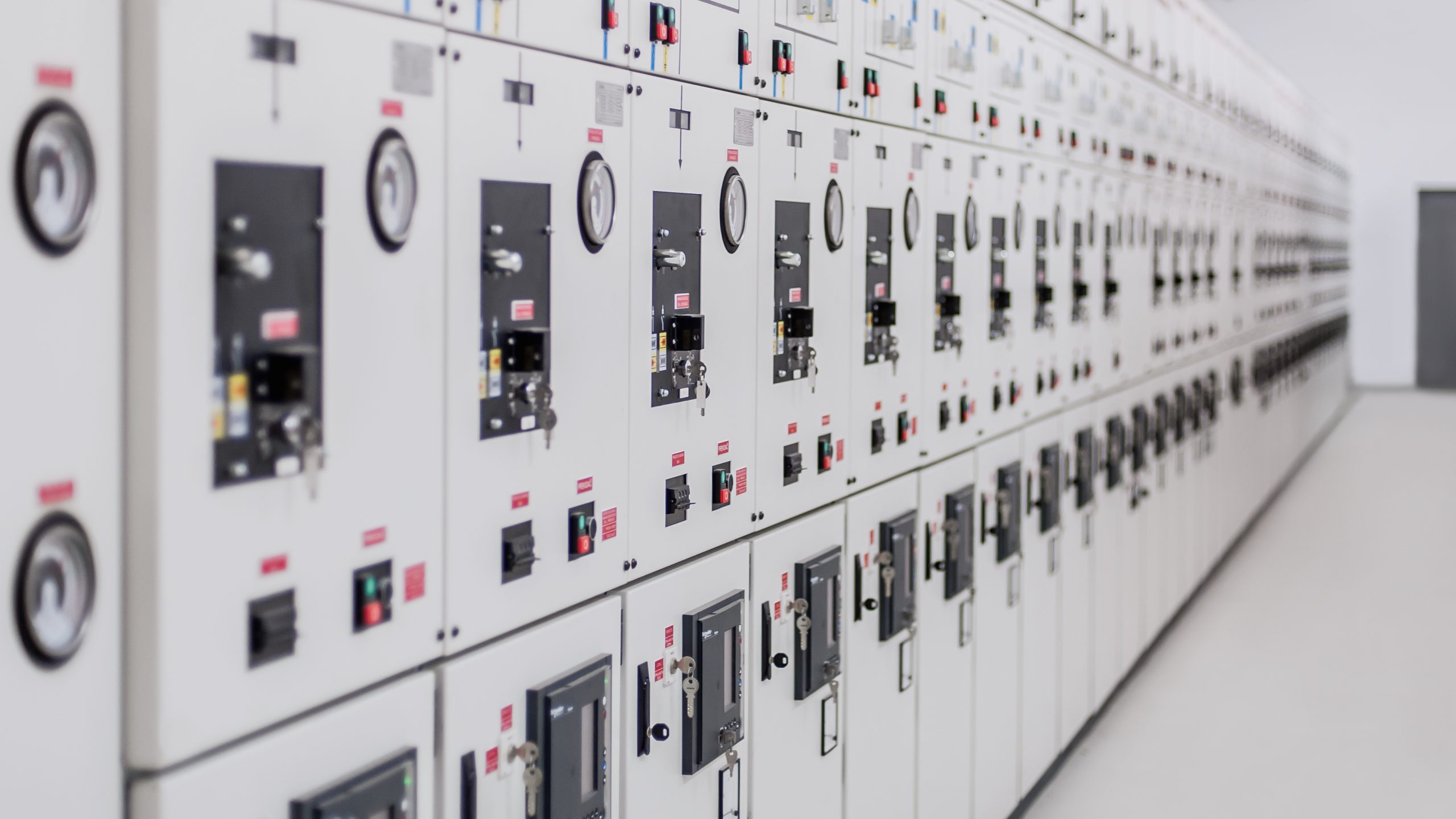
Designing modular switchgear systems has become a cornerstone of modern electrical infrastructure, particularly in applications where scalability, flexibility, and lifecycle efficiency are critical. As power networks evolve—driven by urban expansion, renewable integration, and industrial growth—traditional fixed switchgear solutions often struggle to keep pace with changing requirements. Modular switchgear addresses these challenges by offering adaptable configurations that can be expanded or modified with minimal disruption.

In today’s highly interconnected and technology-driven world, uninterrupted power supply is no longer a luxury—it is a fundamental operational requirement. As electrical power engineers, we have seen firsthand how power disruptions can cripple businesses, compromise safety, damage equipment, and lead to significant financial losses. Power continuity solutions are therefore not simply technical installations; they are strategic investments in operational resilience, business stability, and long-term sustainability.

As a new year begins, electrical contracting firms are setting fresh goals, planning new projects, and seeking better ways to deliver results efficiently. In this context, project management stands out as a critical driver of success. Both a science and an art, project management involves the careful planning, organization, coordination, and control of resources to achieve defined objectives. When applied effectively, it transforms complex electrical projects into well-executed successes.
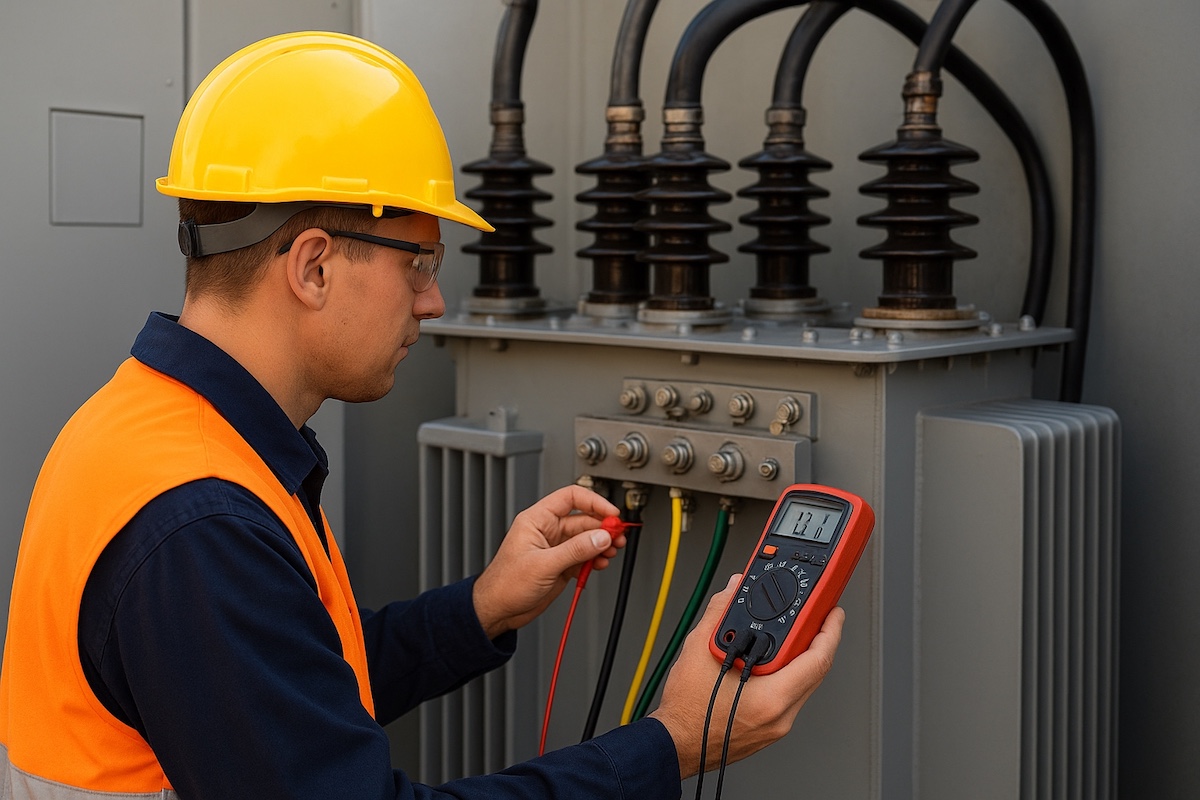
Testing and commissioning of electrical installations mark the critical final phase before energization of any power system—whether it’s an industrial plant, commercial building, or utility substation. This phase ensures that all installed electrical equipment and systems perform safely, efficiently, and in full compliance with design specifications, standards, and regulatory requirements.
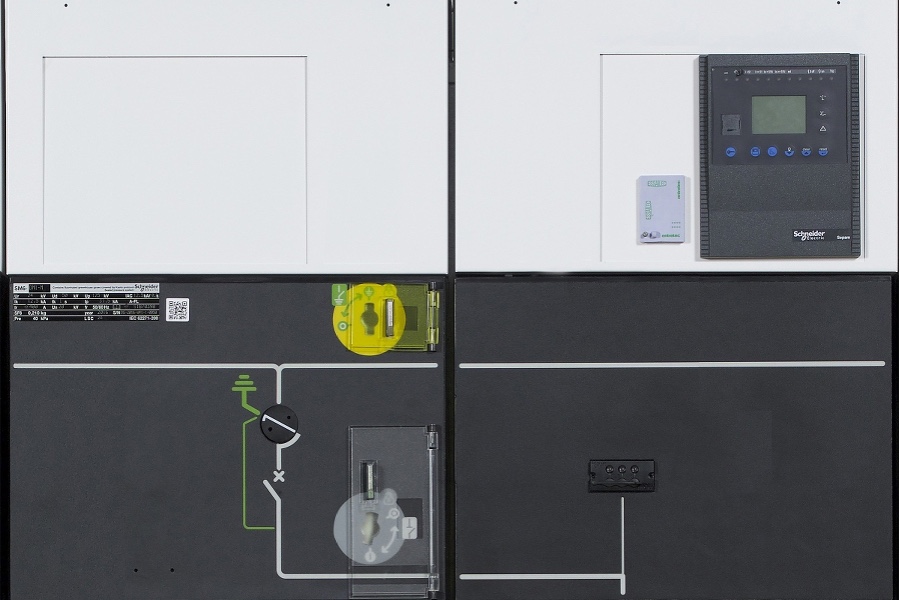
In medium voltage (MV) power systems—typically operating between 1 kV and 36 kV—switchgear controls, protects, and isolates electrical equipment. Because of the high energy involved, minor operational errors can cause equipment damage or personnel injury. Interlocking systems are a critical layer of protection that prevent unsafe operating sequences and ensure reliable operation.
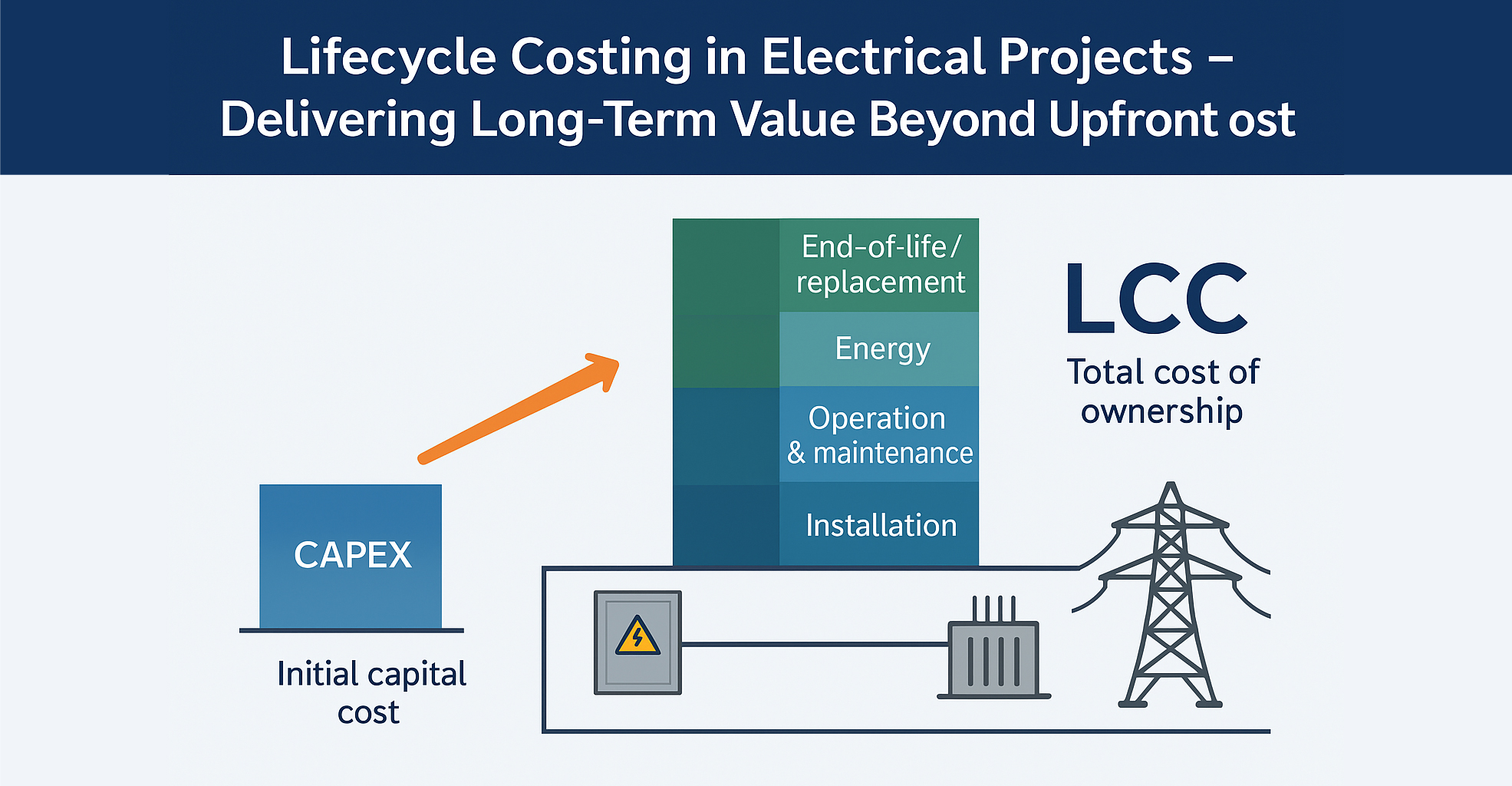
In electrical engineering, projects are often judged on their ability to meet technical requirements within budget and schedule. Too frequently, however, project evaluation focuses narrowly on capital expenditure (CAPEX), sidelining the costs that accumulate over the decades-long life of electrical infrastructure. Lifecycle Costing (LCC) offers a more strategic lens—one that considers not only the purchase price, but also operating, maintenance, reliability, and end-of-life costs.

In the electrical power industry, successful project execution depends not only on engineering expertise but also on strong collaboration with suppliers and panel builders. As projects become increasingly complex and timelines tighter, forming strategic partnerships with these stakeholders is no longer optional—it is a necessity.
Switchgears are essential in electrical power systems for controlling, protecting, and isolating equipment. They ensure safe and reliable power flow across networks. Among the most common types are Air-Insulated Switchgear (AIS) and Gas-Insulated Switchgear (GIS). Each has distinct features, benefits, and limitations that influence their application in different settings.

As July arrives, electrical engineering and contracting firms often find themselves in a critical window — the procurement planning phase for Q3 projects. This period is pivotal, especially for projects scheduled to break ground or reach key installation milestones in the coming months. Effective planning now helps avoid costly delays, manage cash flow, and secure hard-to-find components. Here's what industry professionals need to keep in mind.