


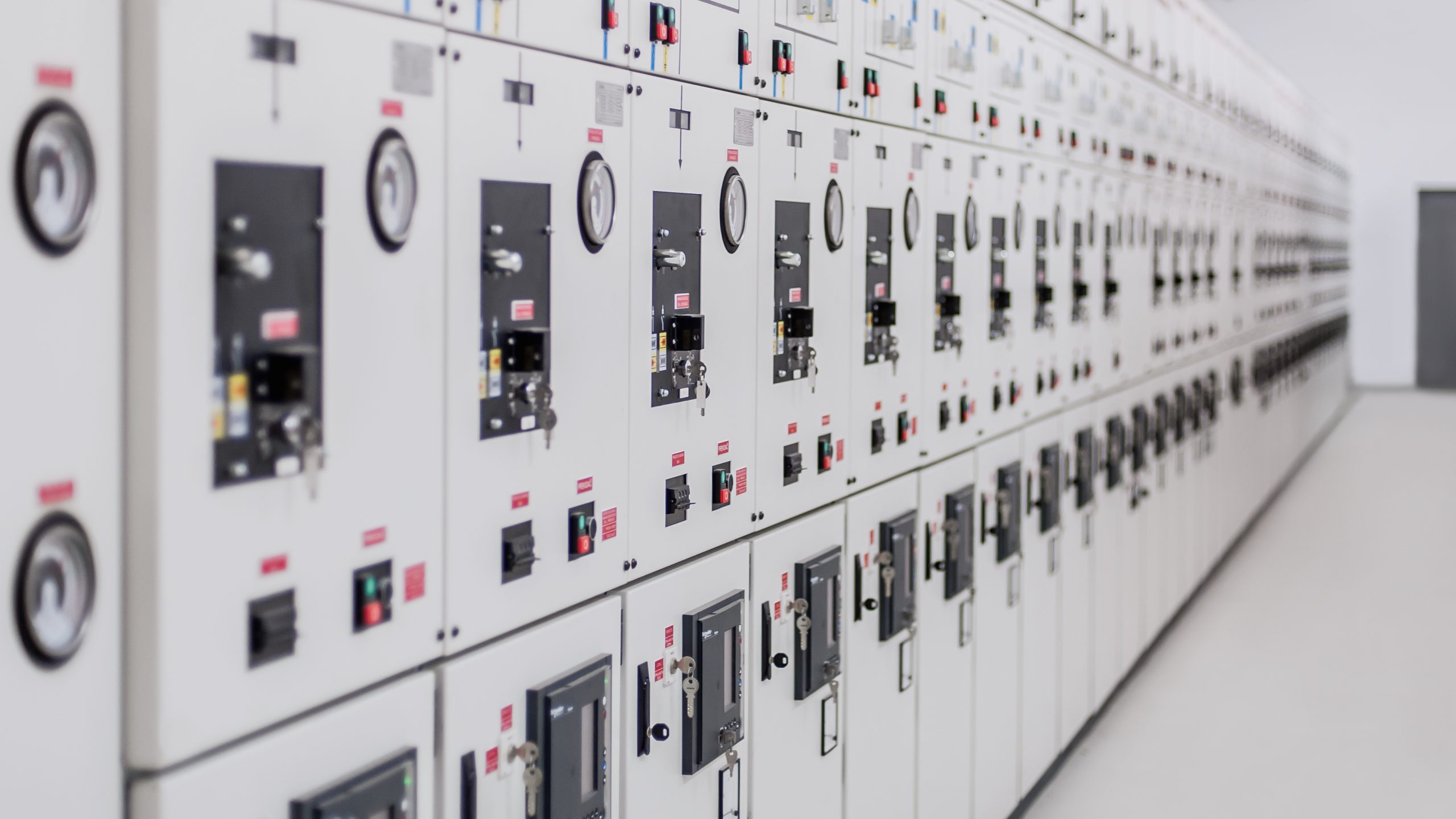
Designing modular switchgear systems has become a cornerstone of modern electrical infrastructure, particularly in applications where scalability, flexibility, and lifecycle efficiency are critical. As power networks evolve—driven by urban expansion, renewable integration, and industrial growth—traditional fixed switchgear solutions often struggle to keep pace with changing requirements. Modular switchgear addresses these challenges by offering adaptable configurations that can be expanded or modified with minimal disruption.

Switchgears form the protective backbone of electrical power systems, ensuring safe isolation, control, and fault clearing across low- and medium-voltage networks. Their reliability depends heavily on correct installation, proper design selections, and disciplined maintenance. Among all failure sources, poor installation practices consistently rank as the leading root cause—causing defects that later evolve into thermal, mechanical, and insulation failures.
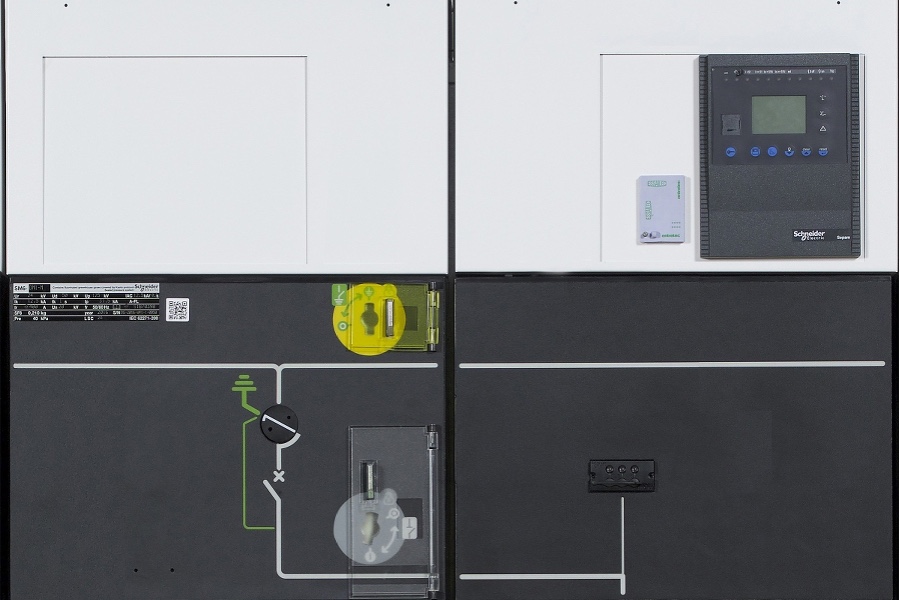
In medium voltage (MV) power systems—typically operating between 1 kV and 36 kV—switchgear controls, protects, and isolates electrical equipment. Because of the high energy involved, minor operational errors can cause equipment damage or personnel injury. Interlocking systems are a critical layer of protection that prevent unsafe operating sequences and ensure reliable operation.
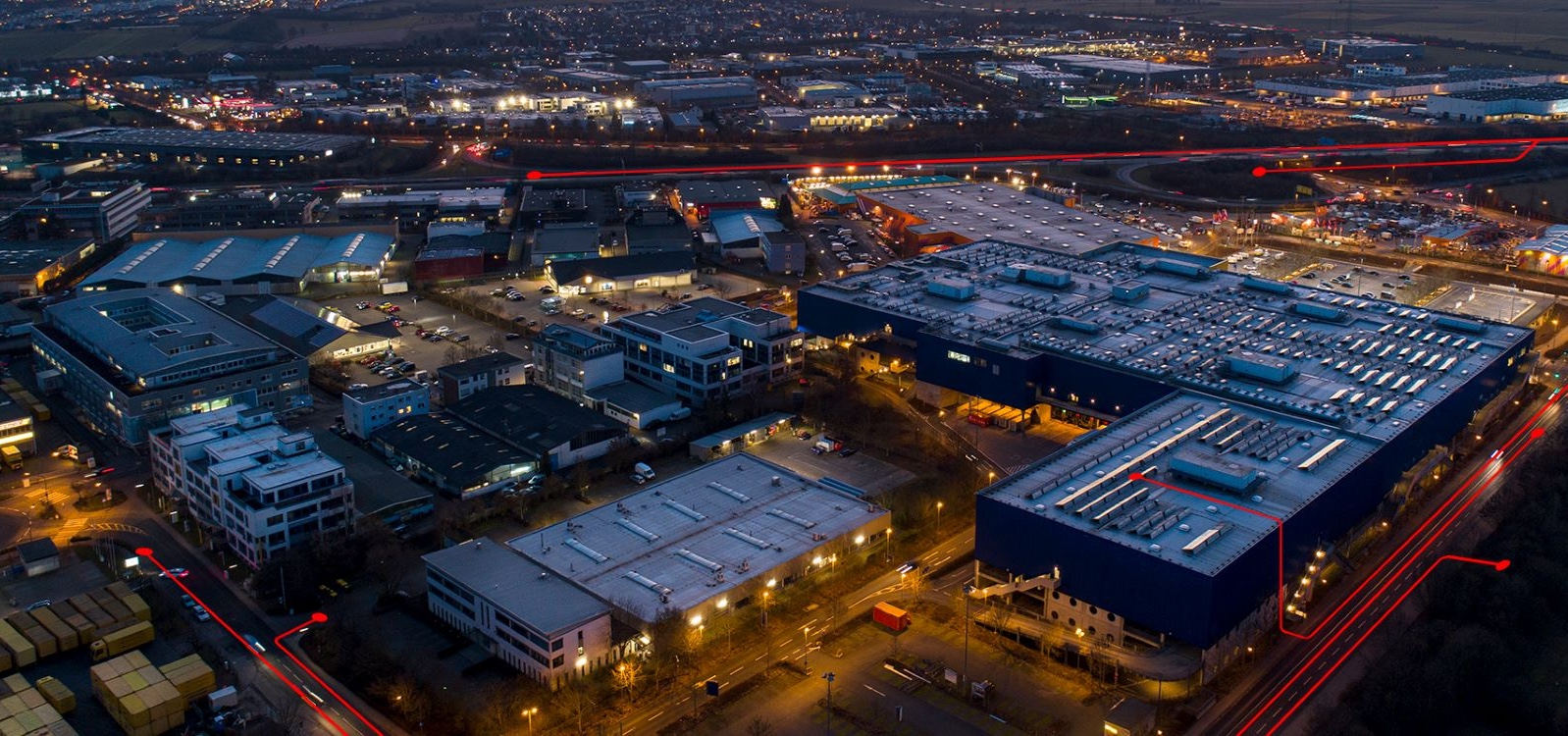
Switchgears are essential in electrical power systems for controlling, protecting, and isolating equipment. They ensure safe and reliable power flow across networks. Among the most common types are Air-Insulated Switchgear (AIS) and Gas-Insulated Switchgear (GIS). Each has distinct features, benefits, and limitations that influence their application in different settings.
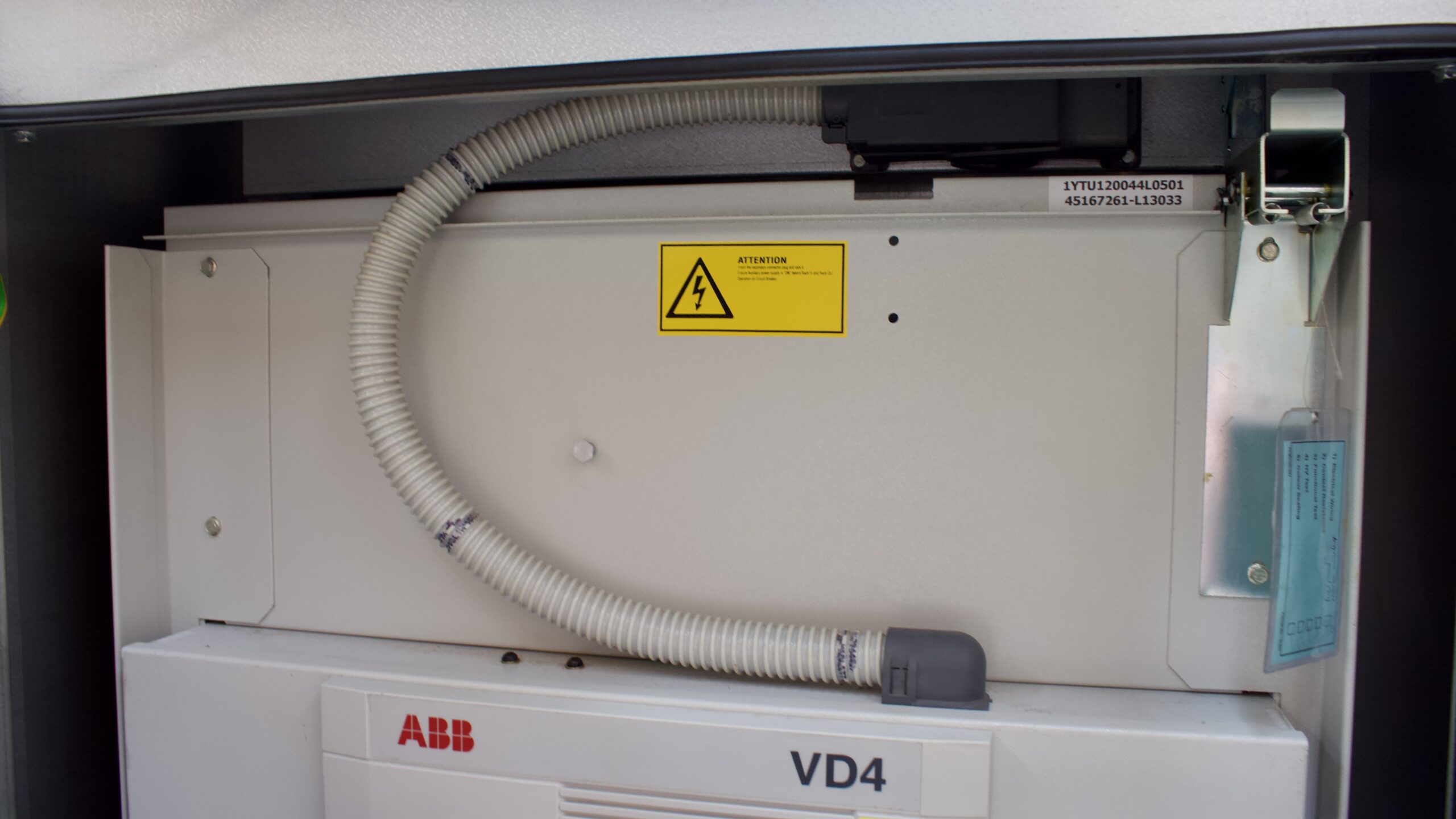
Circuit breakers play a vital role in electrical switchgear systems, ensuring the protection and control of electrical networks. One of the critical decisions when designing or upgrading switchgear is choosing between fixed and withdrawable circuit breakers. Each type has its advantages and is suited for different applications. The choice depends on various factors, including reliability, maintenance requirements, operational flexibility, and cost.