


Plug-and-play installation of compact substations has emerged as a transformative approach in modern power distribution, particularly in fast-track projects, urban developments, and remote electrification. As an electrical power engineer, the value of this concept lies in its ability to significantly reduce deployment time, minimize on-site complexity, and optimize overall project costs without compromising reliability or performance.
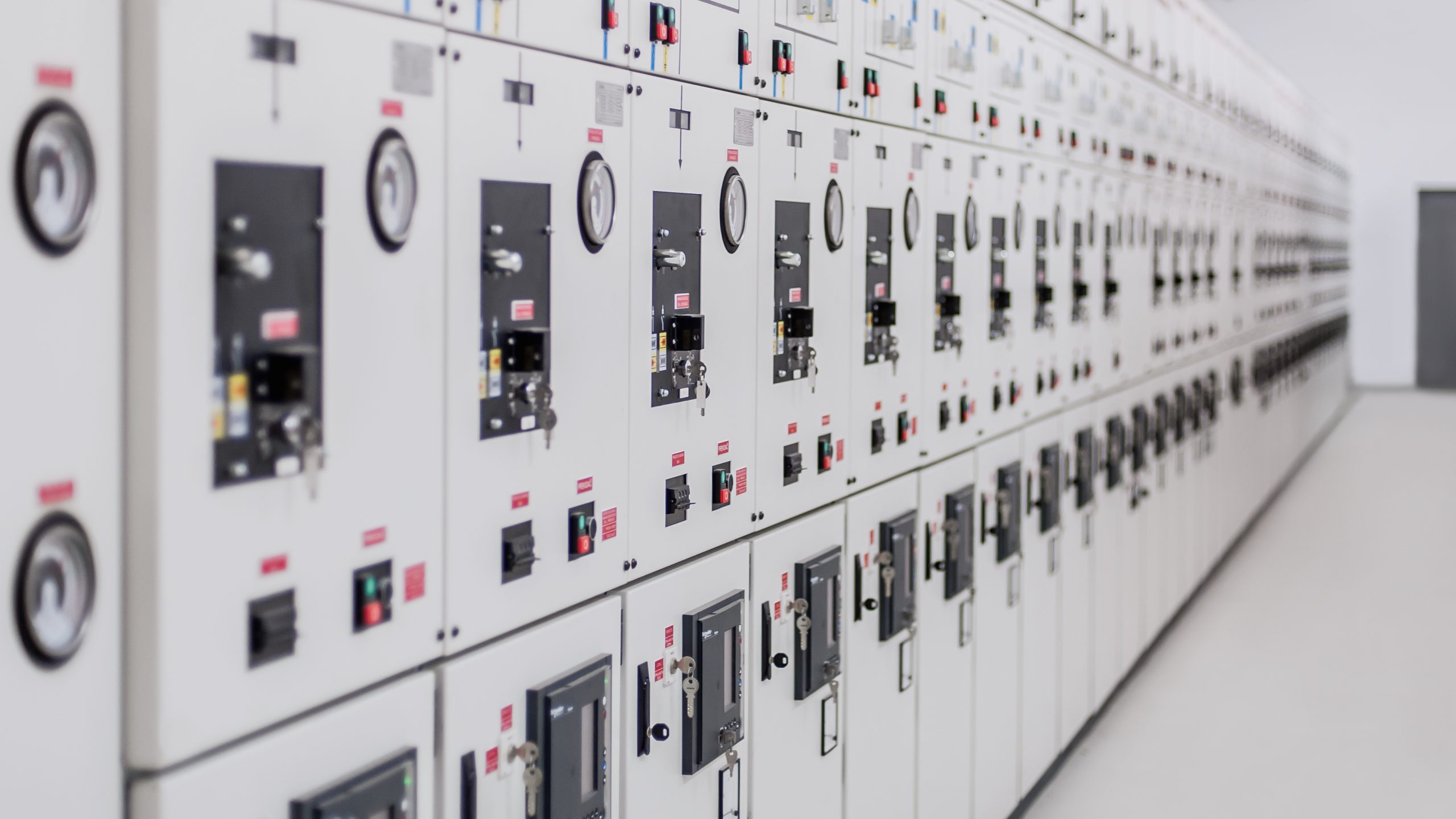
Designing modular switchgear systems has become a cornerstone of modern electrical infrastructure, particularly in applications where scalability, flexibility, and lifecycle efficiency are critical. As power networks evolve—driven by urban expansion, renewable integration, and industrial growth—traditional fixed switchgear solutions often struggle to keep pace with changing requirements. Modular switchgear addresses these challenges by offering adaptable configurations that can be expanded or modified with minimal disruption.
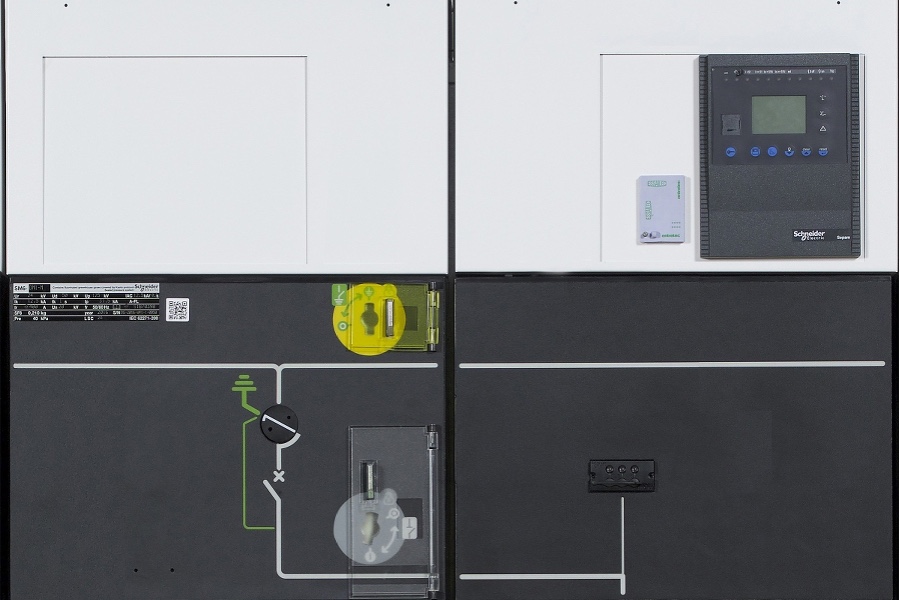
In medium voltage (MV) power systems—typically operating between 1 kV and 36 kV—switchgear controls, protects, and isolates electrical equipment. Because of the high energy involved, minor operational errors can cause equipment damage or personnel injury. Interlocking systems are a critical layer of protection that prevent unsafe operating sequences and ensure reliable operation.
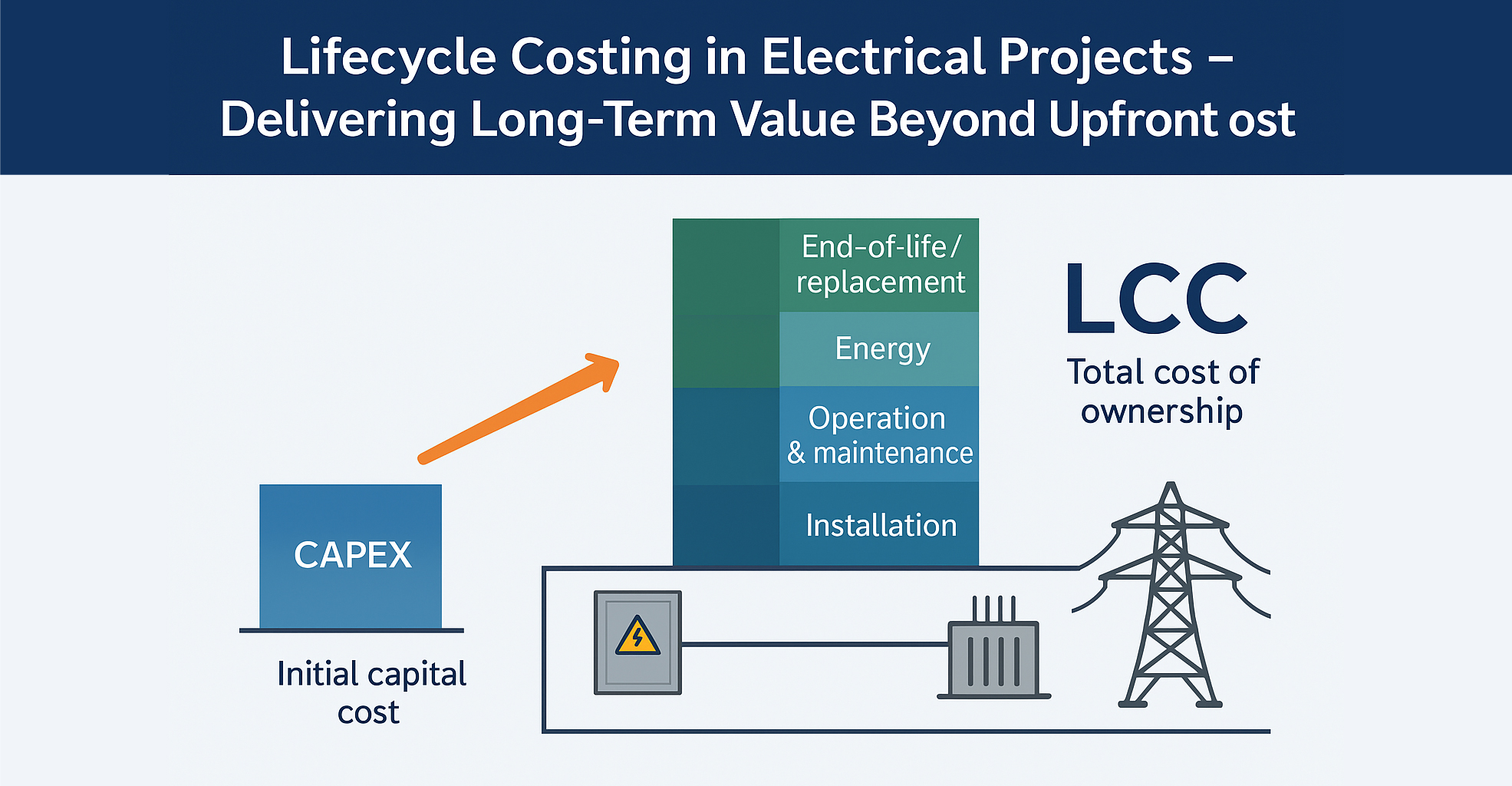
In electrical engineering, projects are often judged on their ability to meet technical requirements within budget and schedule. Too frequently, however, project evaluation focuses narrowly on capital expenditure (CAPEX), sidelining the costs that accumulate over the decades-long life of electrical infrastructure. Lifecycle Costing (LCC) offers a more strategic lens—one that considers not only the purchase price, but also operating, maintenance, reliability, and end-of-life costs.

Battery Energy Storage Systems (BESS) are pivotal in modern power systems, offering flexibility, reliability, and resilience to both utility-scale and distributed energy networks. Whether used for backup power or grid support, the design of a BESS must be tailored to its application, environment, and operational objectives. Here are the key design considerations that engineers must evaluate.
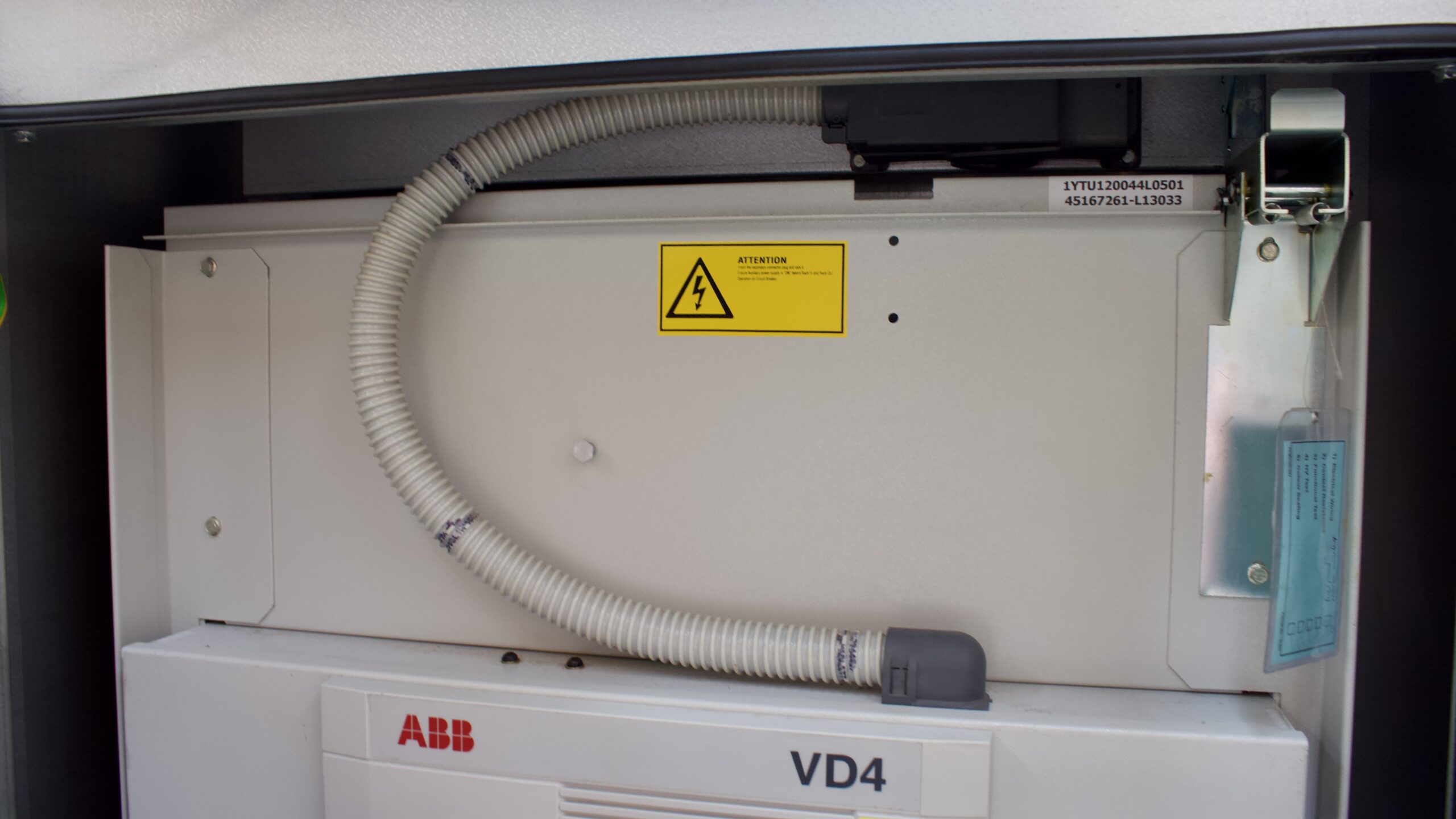
Circuit breakers play a vital role in electrical switchgear systems, ensuring the protection and control of electrical networks. One of the critical decisions when designing or upgrading switchgear is choosing between fixed and withdrawable circuit breakers. Each type has its advantages and is suited for different applications. The choice depends on various factors, including reliability, maintenance requirements, operational flexibility, and cost.