


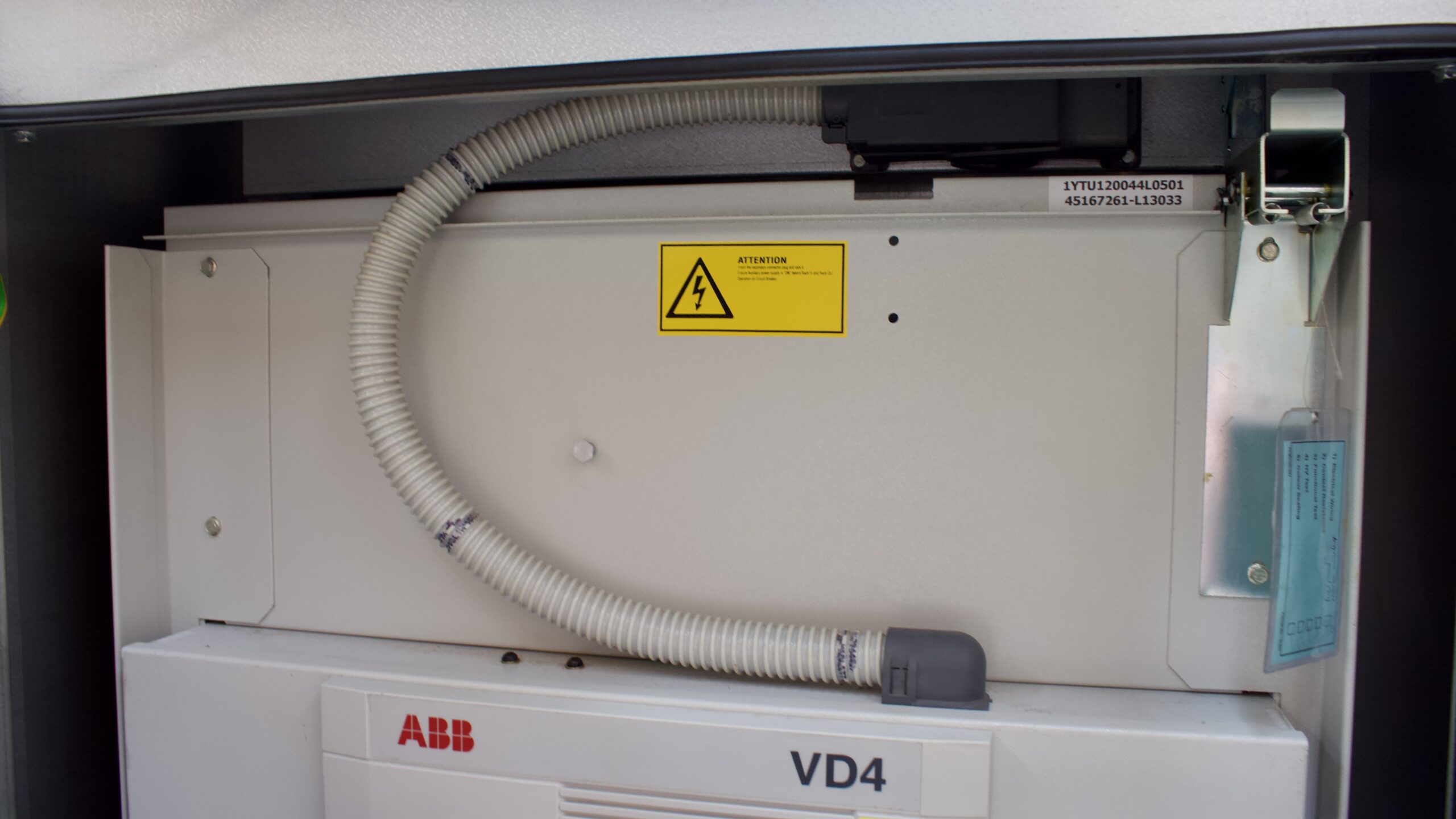
Circuit breakers play a vital role in electrical switchgear systems, ensuring the protection and control of electrical networks. One of the critical decisions when designing or upgrading switchgear is choosing between fixed and withdrawable circuit breakers. Each type has its advantages and is suited for different applications. The choice depends on various factors, including reliability, maintenance requirements, operational flexibility, and cost. Below are the key considerations when selecting between fixed and withdrawable circuit breakers in switchgear.
1. Maintenance and Serviceability
One of the main advantages of withdrawable circuit breakers is their ease of maintenance. Since they can be removed from the switchgear panel without disconnecting cables or affecting adjacent equipment, they allow for faster inspections, testing, and replacements. This is particularly beneficial in applications where downtime must be minimized.
On the other hand, fixed circuit breakers are more challenging to maintain as they require complete de-energization of the switchgear for servicing. This can lead to longer downtime, making them less suitable for critical installations where continuous operation is essential.
2. Reliability and Safety
Fixed circuit breakers have fewer moving parts and connections, reducing the risk of mechanical failure or loose connections over time. This can enhance overall reliability and minimize potential faults caused by frequent insertion and removal.
Withdrawable circuit breakers, while offering operational flexibility, have sliding contacts that may degrade over time, leading to potential reliability issues. Regular maintenance and proper handling are necessary to mitigate these risks.
3. Cost Considerations
Cost is a significant factor in switchgear design. Fixed circuit breakers are generally more cost-effective since they involve a simpler design, fewer components, and reduced manufacturing complexity. They also require less switchgear space, making them an economical choice for budget-conscious projects.
Withdrawable circuit breakers, however, come with a higher initial cost due to their complex mechanisms and additional hardware required for insertion and withdrawal. Additionally, the ongoing maintenance and potential replacement of components over time can add to the overall lifecycle cost.
4. Operational Flexibility
Applications that require frequent switching, testing, or reconfiguration of circuits benefit from withdrawable circuit breakers. They enable quick removal and replacement without shutting down the entire switchgear, making them ideal for industrial plants, power stations, and mission-critical facilities.
Fixed circuit breakers, while less flexible in this regard, are often sufficient for applications where breakers are rarely operated or maintenance shutdowns can be scheduled without significant operational disruption.
5. Space Constraints
Fixed circuit breakers require less physical space within the switchgear compared to withdrawable ones. This is particularly important in compact installations where optimizing switchgear footprint is necessary. Withdrawable breakers, with their additional compartments and mechanisms, require more space, which could be a limiting factor in installations with size constraints.
6. Application-Specific Requirements
Different industries and applications have varying requirements that influence the choice of circuit breakers.
- Industrial and Utility Substations: Withdrawable circuit breakers are preferred due to the need for quick servicing and minimal downtime.
- Commercial Buildings and Small-Scale Installations: Fixed circuit breakers are often sufficient, offering reliability at a lower cost.
- Critical Infrastructure (e.g., Data Centers, Hospitals): Withdrawable breakers are advantageous as they allow for faster recovery in case of a fault.
7. Compliance and Standards
When selecting circuit breakers, it is essential to ensure compliance with relevant industry standards such as IEC 62271 (for high-voltage switchgear) or IEC 60947 (for low-voltage switchgear). These standards define performance, safety, and operational requirements, which may influence the choice between fixed and withdrawable breakers.
Conclusion
The decision between fixed and withdrawable circuit breakers depends on a combination of factors including maintenance needs, cost, operational flexibility, and space availability. While withdrawable circuit breakers offer ease of maintenance and reduced downtime, they come at a higher cost and require more space. Fixed circuit breakers, on the other hand, provide a cost-effective and reliable solution but may require complete shutdowns for maintenance. Careful evaluation of these factors will ensure that the selected circuit breaker type aligns with the operational and financial goals of the project.
Are you in the market for Medium Voltage or Low Voltage switchgears? Contact us today to learn more about our fixed and withdrawable type switchgears and how we can meet your procurement needs. Let us be your reliable partner in powering a safer, reliable, and more efficient future.
Comments are closed