


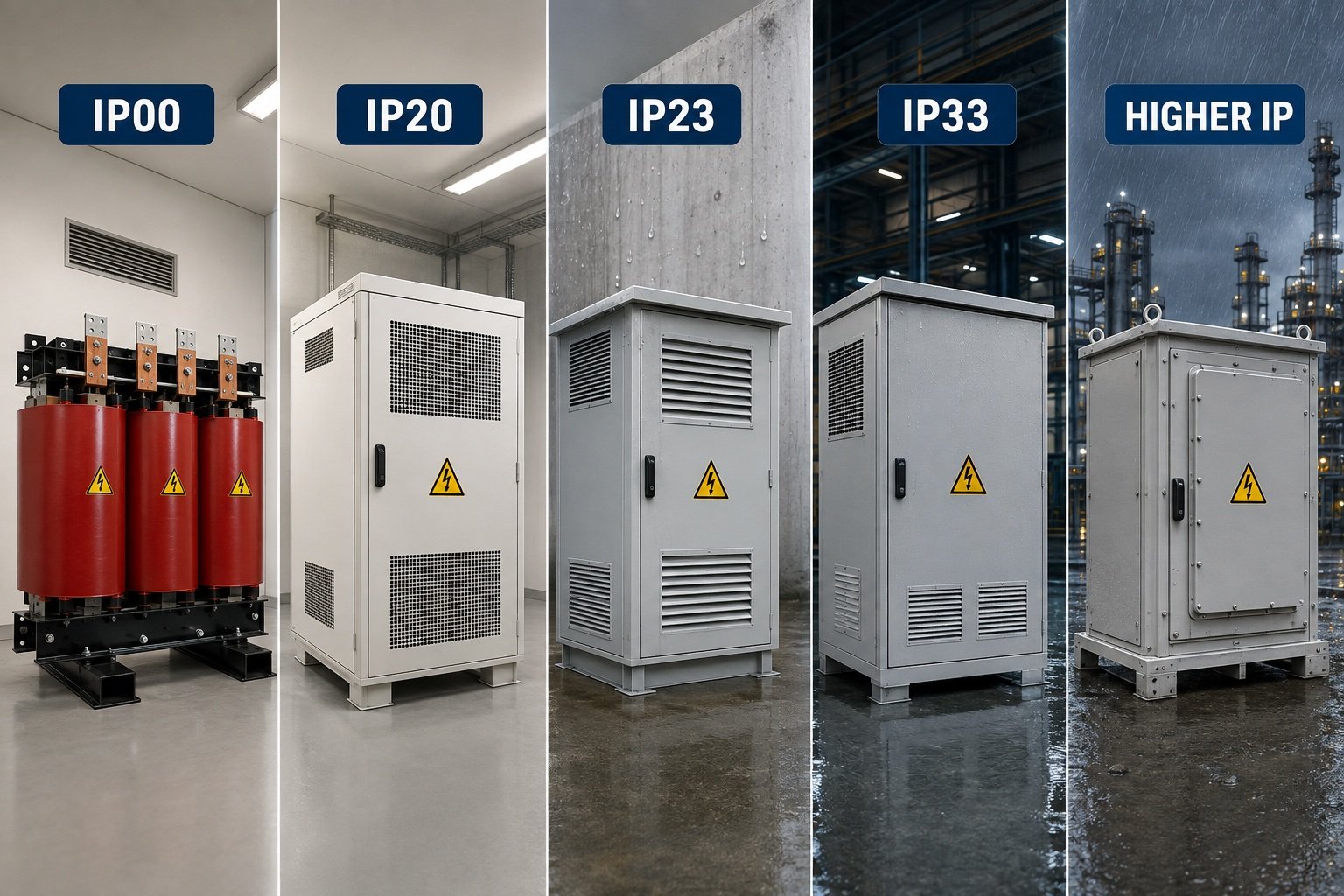
Cast resin dry-type transformers are widely used in commercial buildings, industrial plants, hospitals, data centers, infrastructure projects, and indoor substations because of their fire performance, low maintenance requirements, and suitability for installation close to electrical loads. However, one important specification that is sometimes treated as a secondary detail is the transformer enclosure IP rating.
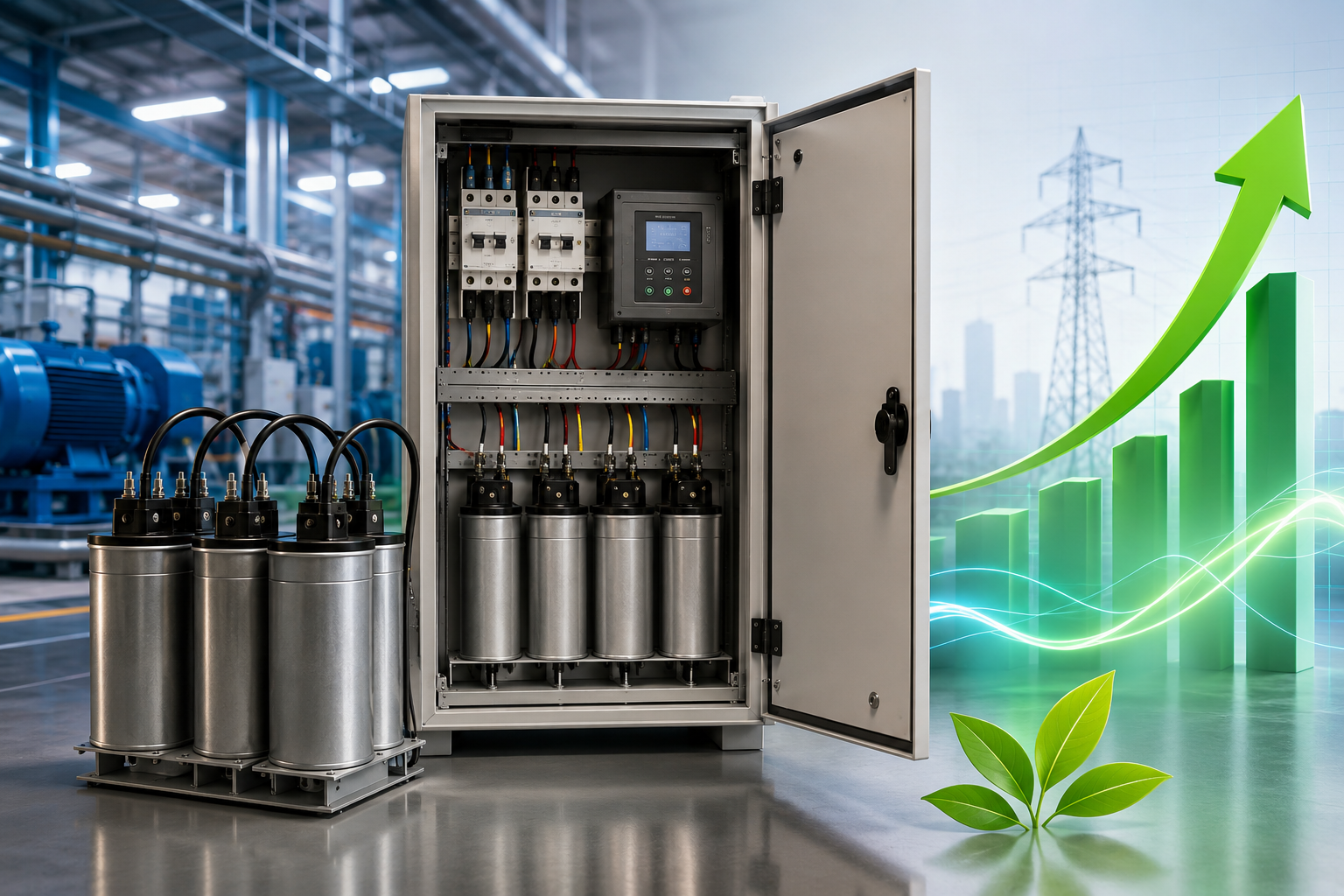
Power Factor Correction (PFC) is a critical technique in electrical power systems used to improve the efficiency of power utilization and reduce energy losses. In industrial and commercial installations, where inductive loads such as motors, transformers, and fluorescent lighting are prevalent, poor power factor is a common issue that leads to higher currents, increased losses, and unnecessary costs.

Cable termination kits play a critical role in the reliability and safety of electrical power systems. They provide the necessary insulation, mechanical protection, and environmental sealing at the point where cables connect to electrical equipment such as switchgear, transformers, and motors. However, improper installation of cable termination kits remains one of the most common causes of insulation failure, overheating, and premature equipment outages in medium- and high-voltage systems.
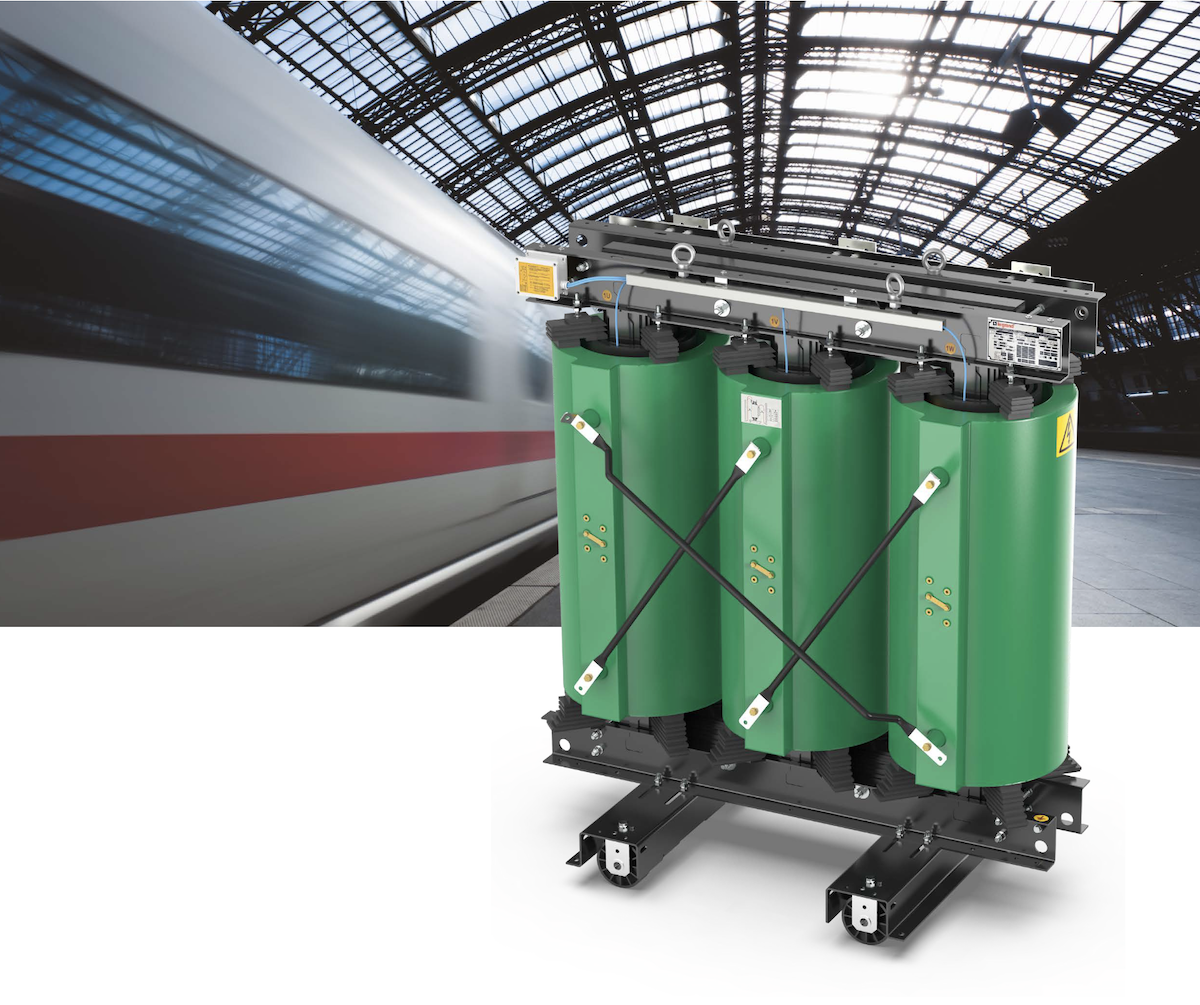
Cast resin dry-type transformers are the preferred solution for indoor electrical installations where safety, reliability, and low maintenance are critical. As electrical power engineers, we have seen a clear shift toward cast resin dry-type transformers for indoor electrical installations across commercial, industrial, and infrastructure projects. This preference is driven by their strong safety profile, operational reliability, and suitability for environments where oil-filled transformers present risks or constraints.

Switchgears form the protective backbone of electrical power systems, ensuring safe isolation, control, and fault clearing across low- and medium-voltage networks. Their reliability depends heavily on correct installation, proper design selections, and disciplined maintenance. Among all failure sources, poor installation practices consistently rank as the leading root cause—causing defects that later evolve into thermal, mechanical, and insulation failures.
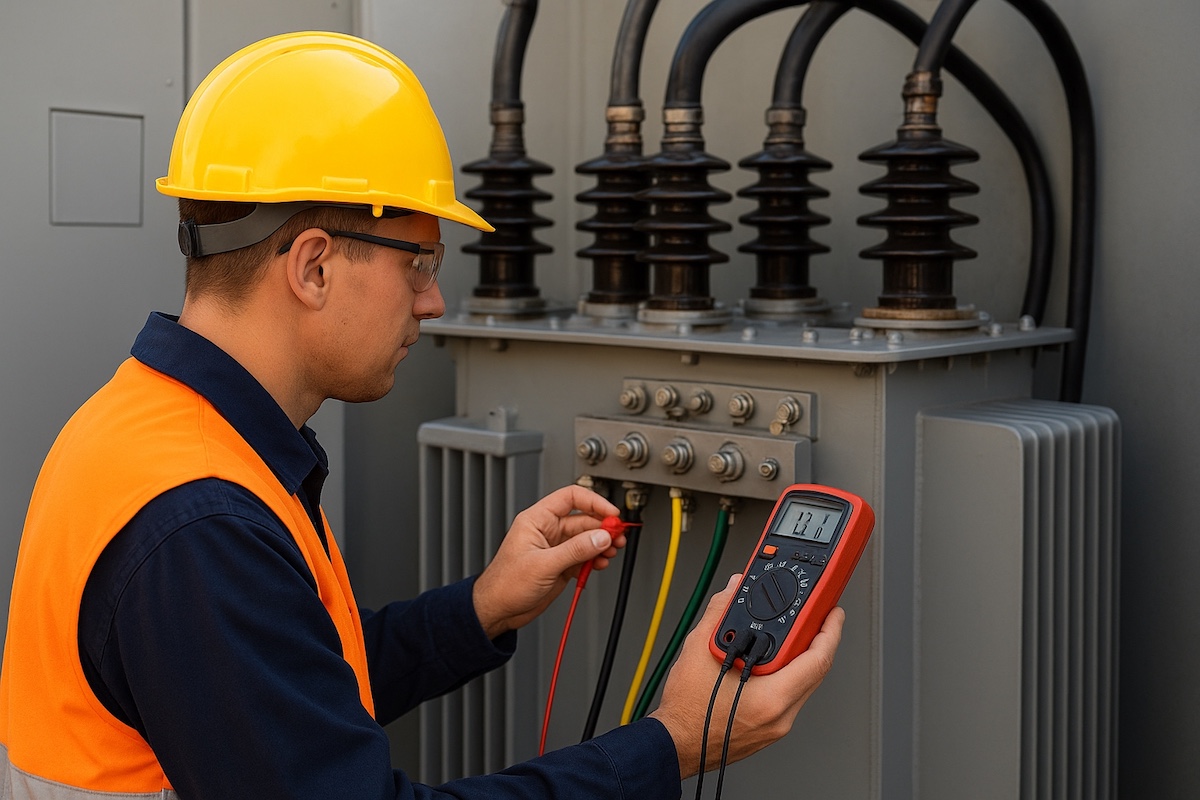
Testing and commissioning of electrical installations mark the critical final phase before energization of any power system—whether it’s an industrial plant, commercial building, or utility substation. This phase ensures that all installed electrical equipment and systems perform safely, efficiently, and in full compliance with design specifications, standards, and regulatory requirements.
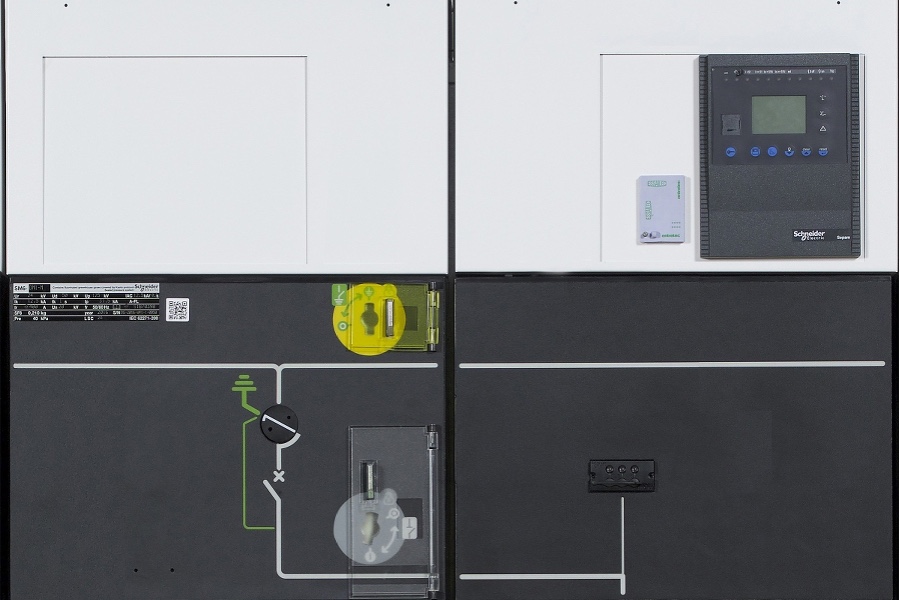
In medium voltage (MV) power systems—typically operating between 1 kV and 36 kV—switchgear controls, protects, and isolates electrical equipment. Because of the high energy involved, minor operational errors can cause equipment damage or personnel injury. Interlocking systems are a critical layer of protection that prevent unsafe operating sequences and ensure reliable operation.

Fire protection in electrical installations is a holistic responsibility that begins with design and extends through installation, operation, and maintenance. For panel builders and contractors, adopting best practices—ranging from correct sizing and material selection to integration of detection systems and ongoing maintenance—ensures installations remain safe and reliable.

Protective relays are critical components in electrical power systems, acting as the “nervous system” that detects faults and initiates rapid isolation of affected sections. Their primary purpose is to safeguard power system equipment, maintain system stability, and ensure personnel safety by preventing damage and limiting fault propagation.
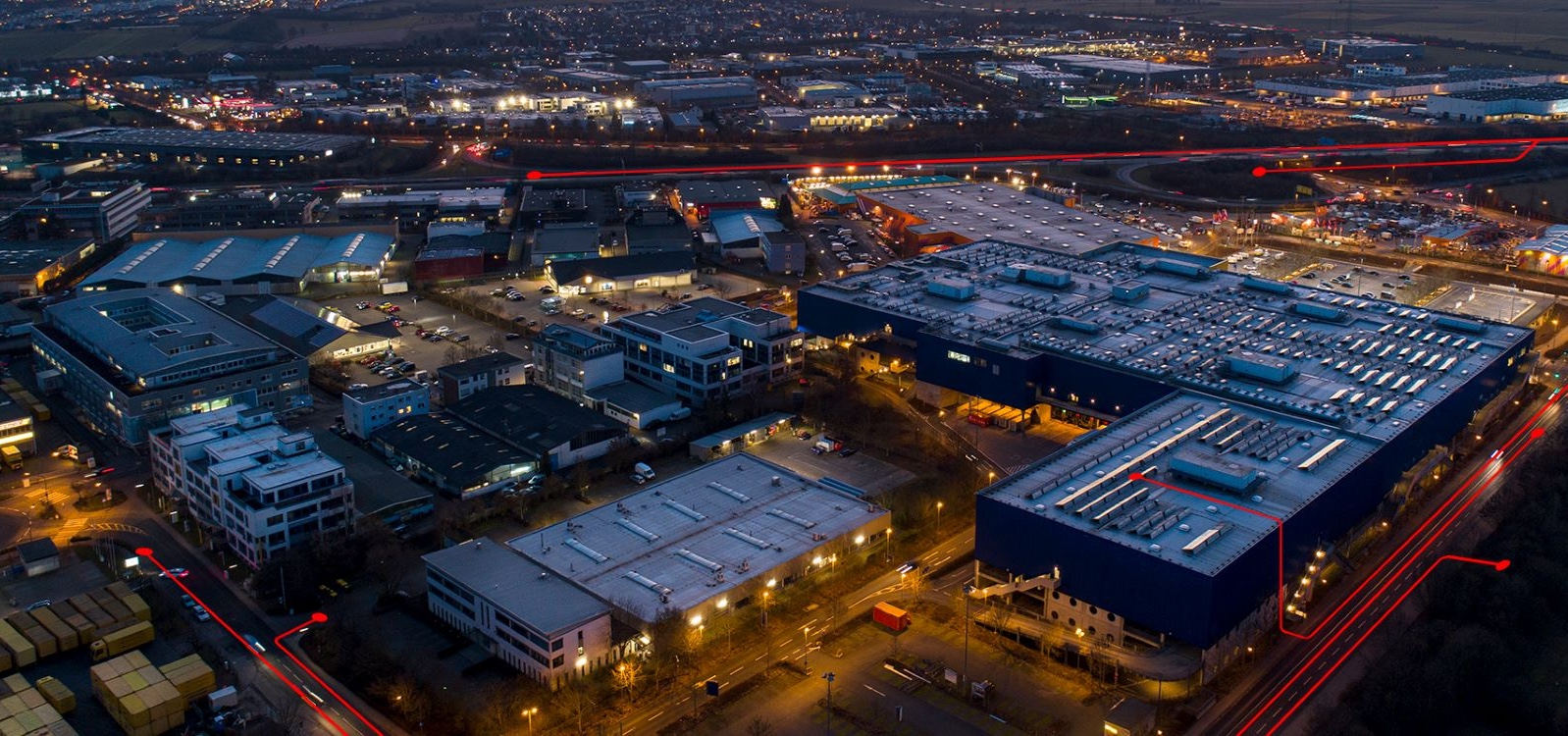
Switchgears are essential in electrical power systems for controlling, protecting, and isolating equipment. They ensure safe and reliable power flow across networks. Among the most common types are Air-Insulated Switchgear (AIS) and Gas-Insulated Switchgear (GIS). Each has distinct features, benefits, and limitations that influence their application in different settings.