


In modern industrial power systems, ensuring continuous and reliable electrical service is paramount, especially when supplying sensitive and critical loads such as data centers, pharmaceutical plants, semiconductor fabrication facilities, and heavy industrial processes. Any momentary interruption or prolonged outage can result in significant financial losses, safety risks, and compromised product quality. One of the key protective devices employed to enhance system reliability and minimize service interruptions is the recloser.

Generators play a critical role in ensuring power continuity, especially in industrial, commercial, and emergency settings. Despite their importance, generator systems can fail due to several common issues. Among the leading causes of generator failure are fuel system problems, battery-related failures, and control system faults. Understanding these issues and how to prevent them is essential for maintaining reliable operation.

As June begins, many regions around the globe enter their most demanding energy season. Rising temperatures bring increased use of HVAC systems, refrigeration, and cooling equipment—especially in industrial and commercial environments. For electrical engineers and facility managers, this means one thing: your systems must be ready for peak load performance.

Value engineering (VE) is a systematic and disciplined approach aimed at enhancing the value of a project by evaluating functions and identifying opportunities to reduce costs while maintaining or improving safety, reliability, and performance. In electrical engineering projects, VE is especially crucial due to the high capital investments and the need for long-term operational efficiency. The goal is not simply cost-cutting but optimizing solutions to deliver the best value over the project lifecycle.

Low Voltage (LV) boards, also known as switchboards, play a central role in distributing electricity within facilities safely and efficiently. They are commonly available in two configurations: withdrawable and fixed. Each type offers distinct advantages depending on the operational requirements of the installation. Choosing between withdrawable and fixed LV boards depends on a variety of factors, including system criticality, maintenance strategy, space constraints, and budget.
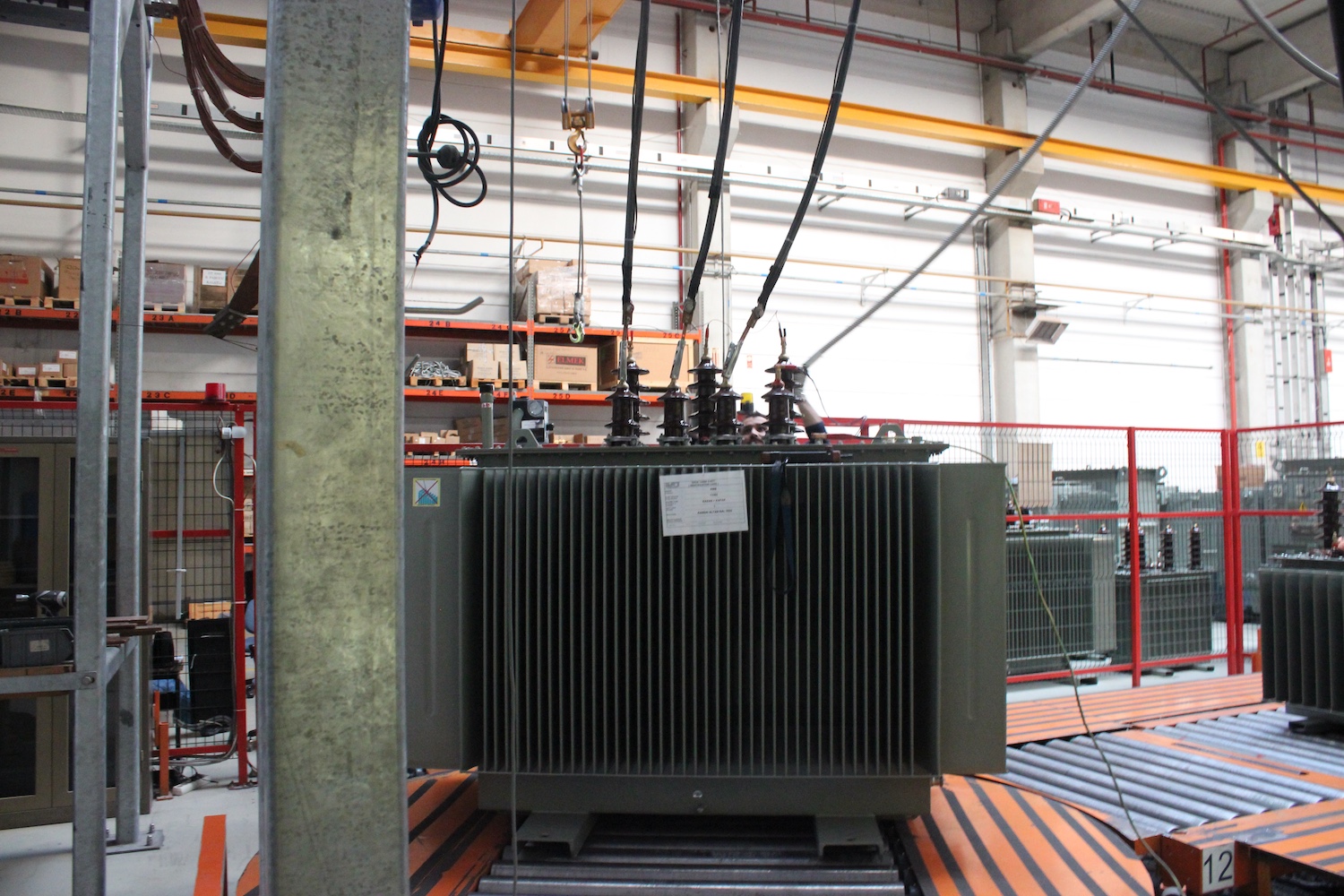
Factory Acceptance Testing (FAT) is a crucial phase in the lifecycle of a power transformer, conducted at the manufacturer’s facility before the equipment is shipped to the project site. FAT ensures that the transformer meets the design specifications, contractual requirements, and relevant international standards such as IEC 60076 or IEEE C57.12. Testing at this stage significantly reduces the risk of failures during commissioning or operation, which could lead to costly delays or damage.
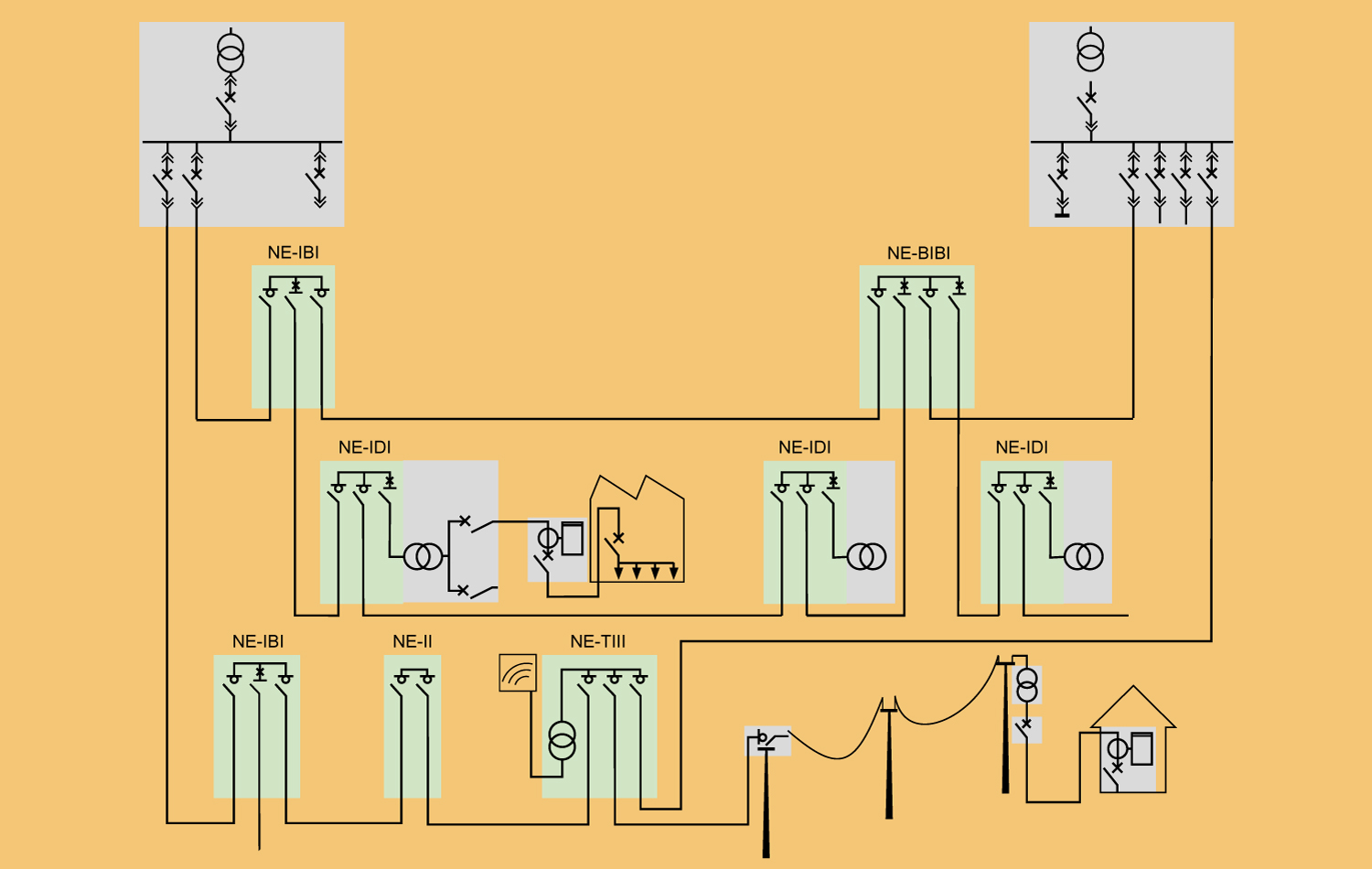
Directional relays play a critical role in power distribution systems, ensuring proper fault detection and isolation while maintaining system stability and reliability. These relays are particularly useful in complex networks where power flow can change direction, such as ring mains, parallel feeders, or interconnected grids.

Uninterruptible Power Supply (UPS) systems play a crucial role in ensuring the continuous operation of electrical equipment by providing backup power during outages and protecting against power quality issues. There are three main types of UPS systems: Offline, Line-Interactive, and Online. Each type has distinct features suited for different applications.

In electrical power engineering, proper cable terminations are crucial for ensuring the safe and reliable performance of high-voltage and medium-voltage power systems. Heat shrink and cold shrink termination kits are two widely used methods for insulating and sealing cable ends, each with distinct characteristics, advantages, and applications.
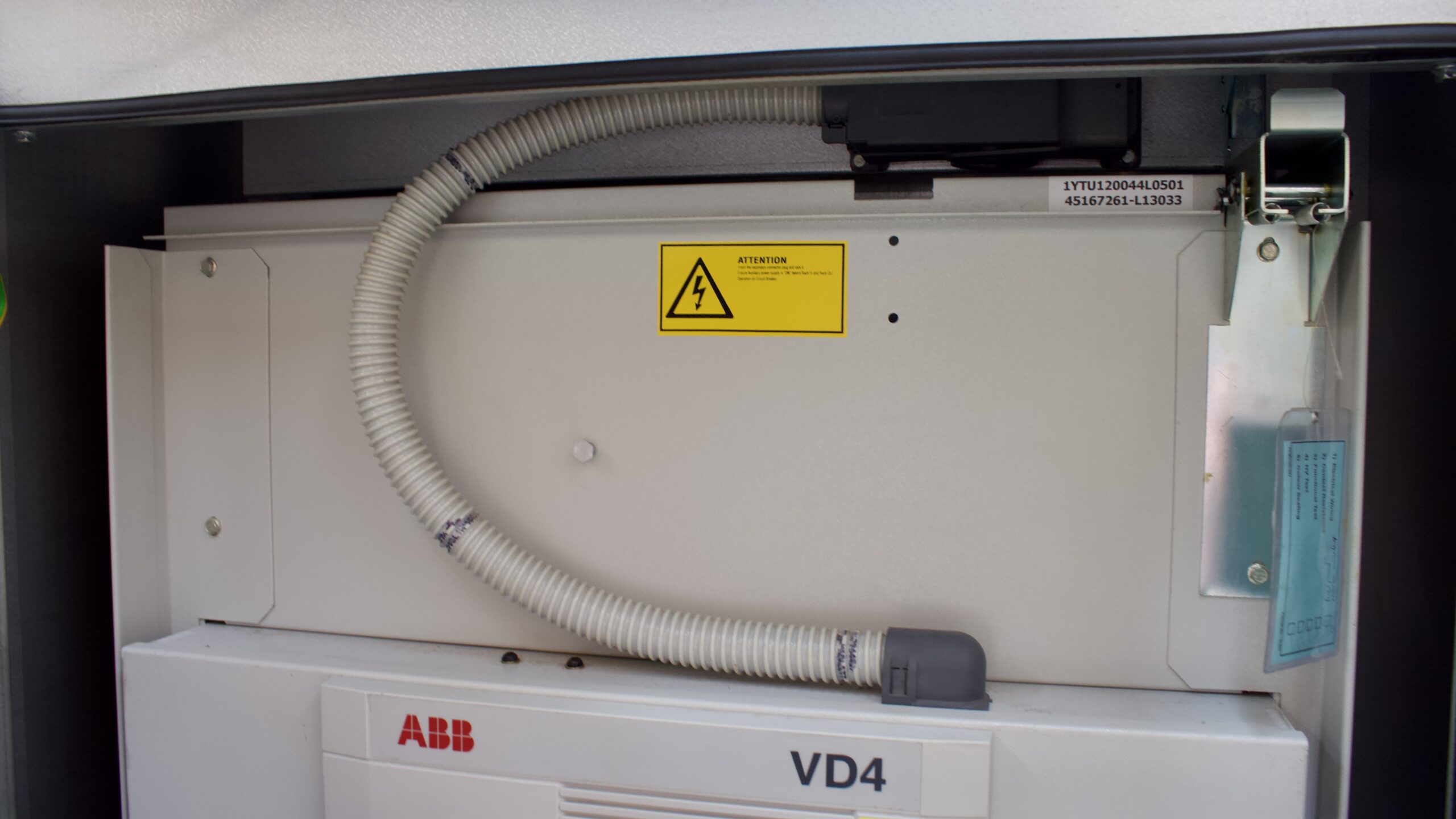
Circuit breakers play a vital role in electrical switchgear systems, ensuring the protection and control of electrical networks. One of the critical decisions when designing or upgrading switchgear is choosing between fixed and withdrawable circuit breakers. Each type has its advantages and is suited for different applications. The choice depends on various factors, including reliability, maintenance requirements, operational flexibility, and cost.