


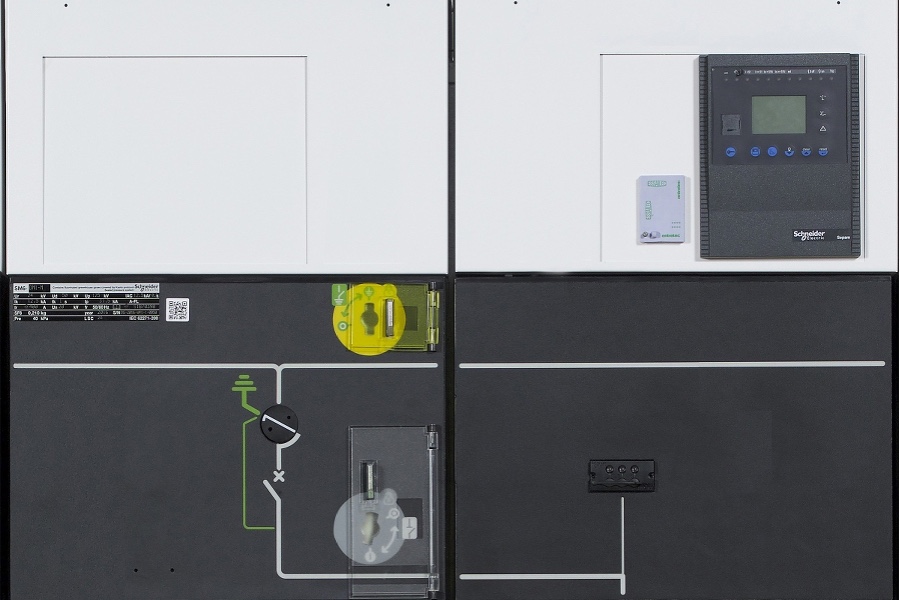
In medium voltage (MV) power systems—typically operating between 1 kV and 36 kV—switchgear controls, protects, and isolates electrical equipment. Because of the high energy involved, minor operational errors can cause equipment damage or personnel injury. Interlocking systems are a critical layer of protection that prevent unsafe operating sequences and ensure reliable operation.

As June begins, many regions around the globe enter their most demanding energy season. Rising temperatures bring increased use of HVAC systems, refrigeration, and cooling equipment—especially in industrial and commercial environments. For electrical engineers and facility managers, this means one thing: your systems must be ready for peak load performance.

Low Voltage (LV) boards, also known as switchboards, play a central role in distributing electricity within facilities safely and efficiently. They are commonly available in two configurations: withdrawable and fixed. Each type offers distinct advantages depending on the operational requirements of the installation. Choosing between withdrawable and fixed LV boards depends on a variety of factors, including system criticality, maintenance strategy, space constraints, and budget.
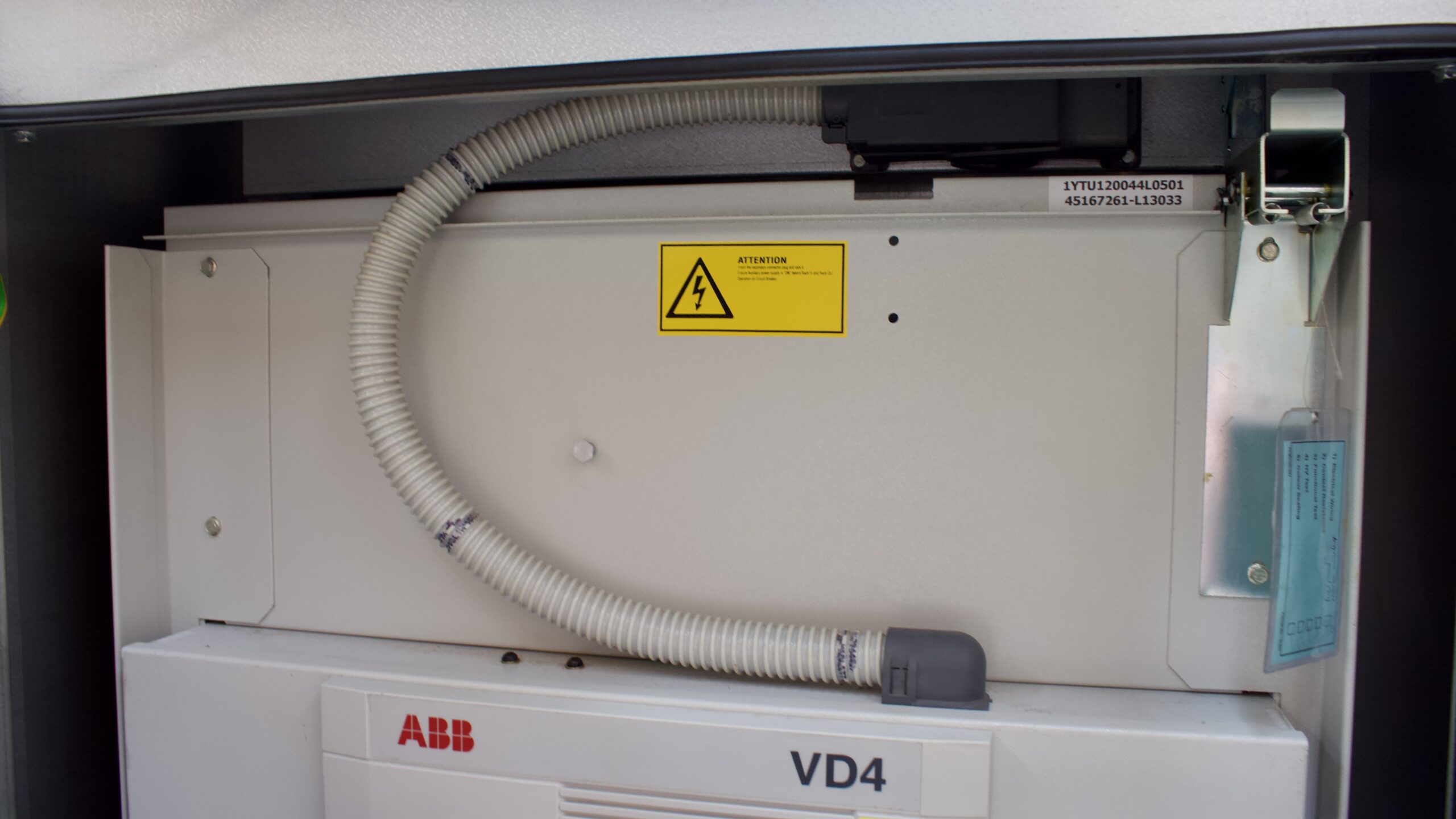
Circuit breakers play a vital role in electrical switchgear systems, ensuring the protection and control of electrical networks. One of the critical decisions when designing or upgrading switchgear is choosing between fixed and withdrawable circuit breakers. Each type has its advantages and is suited for different applications. The choice depends on various factors, including reliability, maintenance requirements, operational flexibility, and cost.