


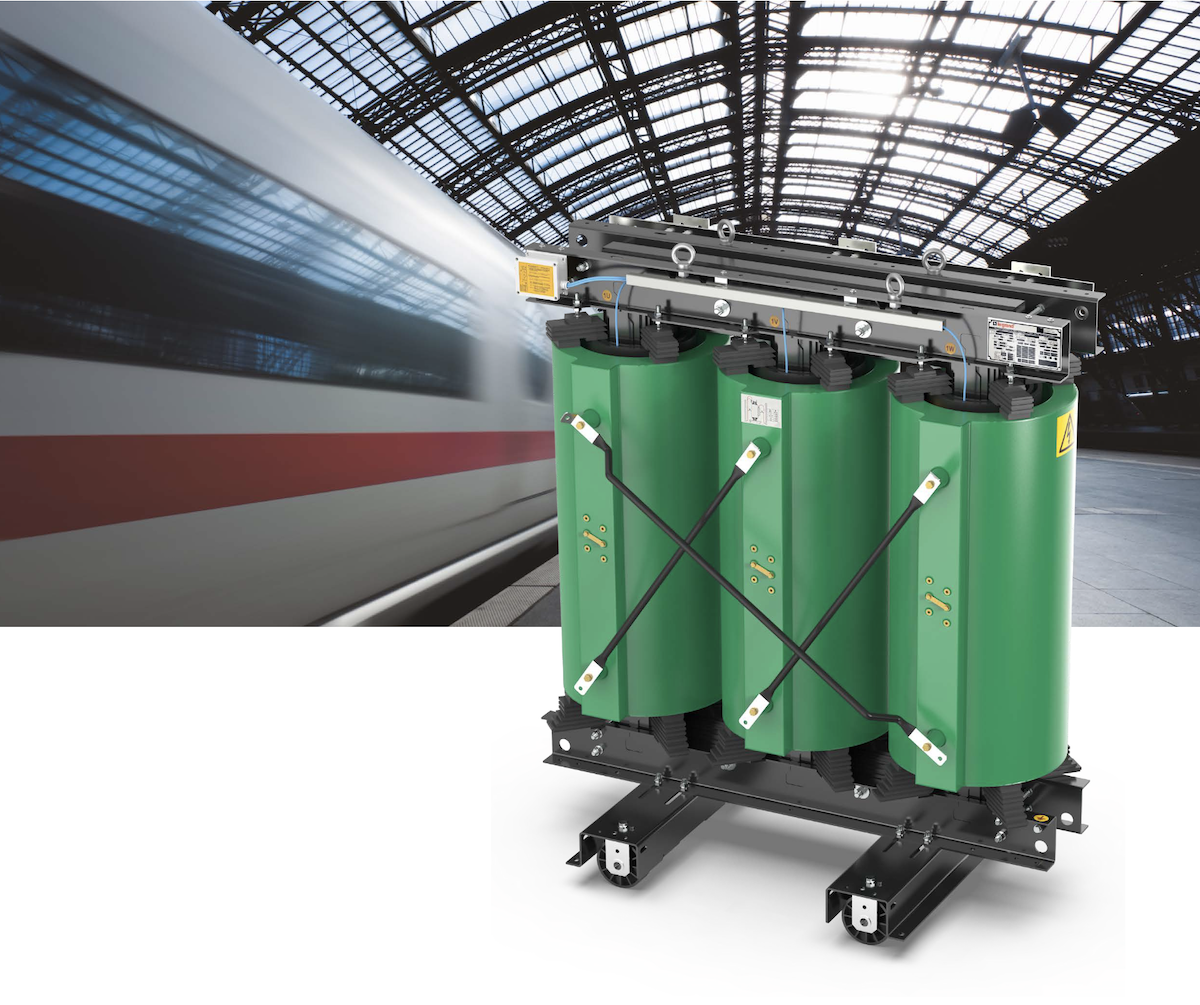
Cast resin dry-type transformers are the preferred solution for indoor electrical installations where safety, reliability, and low maintenance are critical. As electrical power engineers, we have seen a clear shift toward cast resin dry-type transformers for indoor electrical installations across commercial, industrial, and infrastructure projects. This preference is driven by their strong safety profile, operational reliability, and suitability for environments where oil-filled transformers present risks or constraints.

In today’s highly interconnected and technology-driven world, uninterrupted power supply is no longer a luxury—it is a fundamental operational requirement. As electrical power engineers, we have seen firsthand how power disruptions can cripple businesses, compromise safety, damage equipment, and lead to significant financial losses. Power continuity solutions are therefore not simply technical installations; they are strategic investments in operational resilience, business stability, and long-term sustainability.

As a new year begins, electrical contracting firms are setting fresh goals, planning new projects, and seeking better ways to deliver results efficiently. In this context, project management stands out as a critical driver of success. Both a science and an art, project management involves the careful planning, organization, coordination, and control of resources to achieve defined objectives. When applied effectively, it transforms complex electrical projects into well-executed successes.

Creating an inviting outdoor space—whether for customers at a business or for family and friends at home—often hinges on good lighting. In spring and summer, when outdoor areas see the most use, proper illumination not only extends usable hours into the evening but also enhances ambience, safety, and functionality.
Outdoor lighting comes in various forms, and choosing the right solution depends on your needs, budget, and whether you prefer a DIY approach or professional installation.

Switchgears form the protective backbone of electrical power systems, ensuring safe isolation, control, and fault clearing across low- and medium-voltage networks. Their reliability depends heavily on correct installation, proper design selections, and disciplined maintenance. Among all failure sources, poor installation practices consistently rank as the leading root cause—causing defects that later evolve into thermal, mechanical, and insulation failures.

In electrical power systems, Current Transformers (CTs) and Voltage Transformers (VTs) — collectively known as instrument transformers — play a vital role in both metering and protection. They form the bridge between high-voltage power circuits and low-voltage measuring and protection devices, enabling safe, accurate, and reliable system operation.
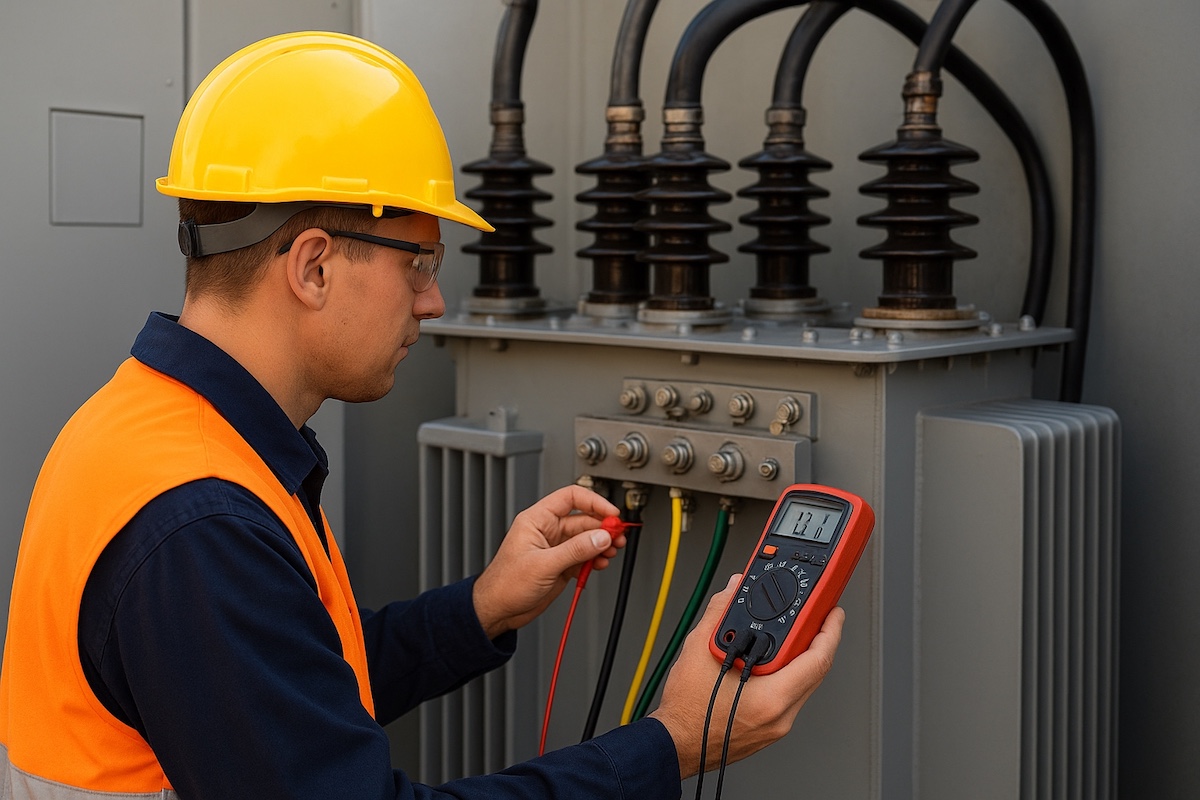
Testing and commissioning of electrical installations mark the critical final phase before energization of any power system—whether it’s an industrial plant, commercial building, or utility substation. This phase ensures that all installed electrical equipment and systems perform safely, efficiently, and in full compliance with design specifications, standards, and regulatory requirements.
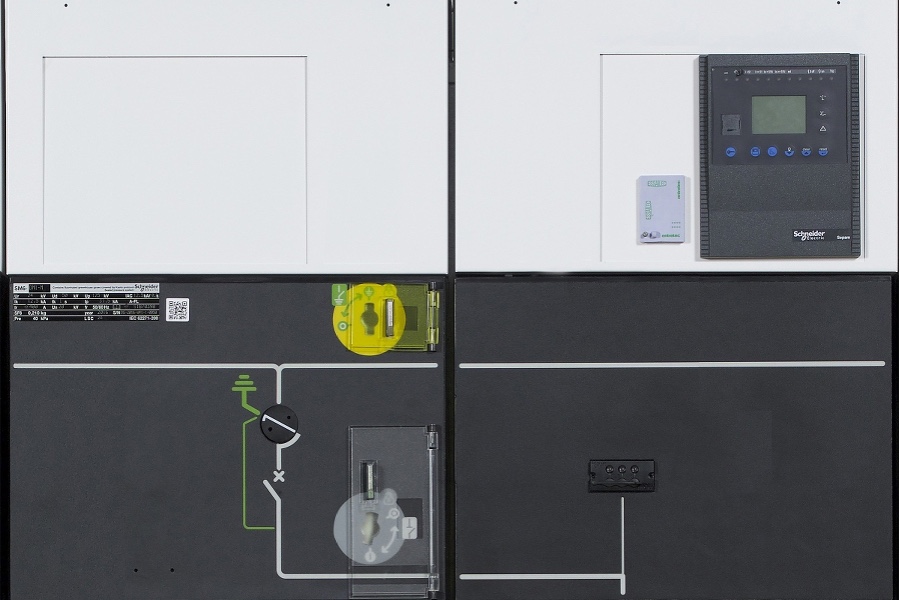
In medium voltage (MV) power systems—typically operating between 1 kV and 36 kV—switchgear controls, protects, and isolates electrical equipment. Because of the high energy involved, minor operational errors can cause equipment damage or personnel injury. Interlocking systems are a critical layer of protection that prevent unsafe operating sequences and ensure reliable operation.
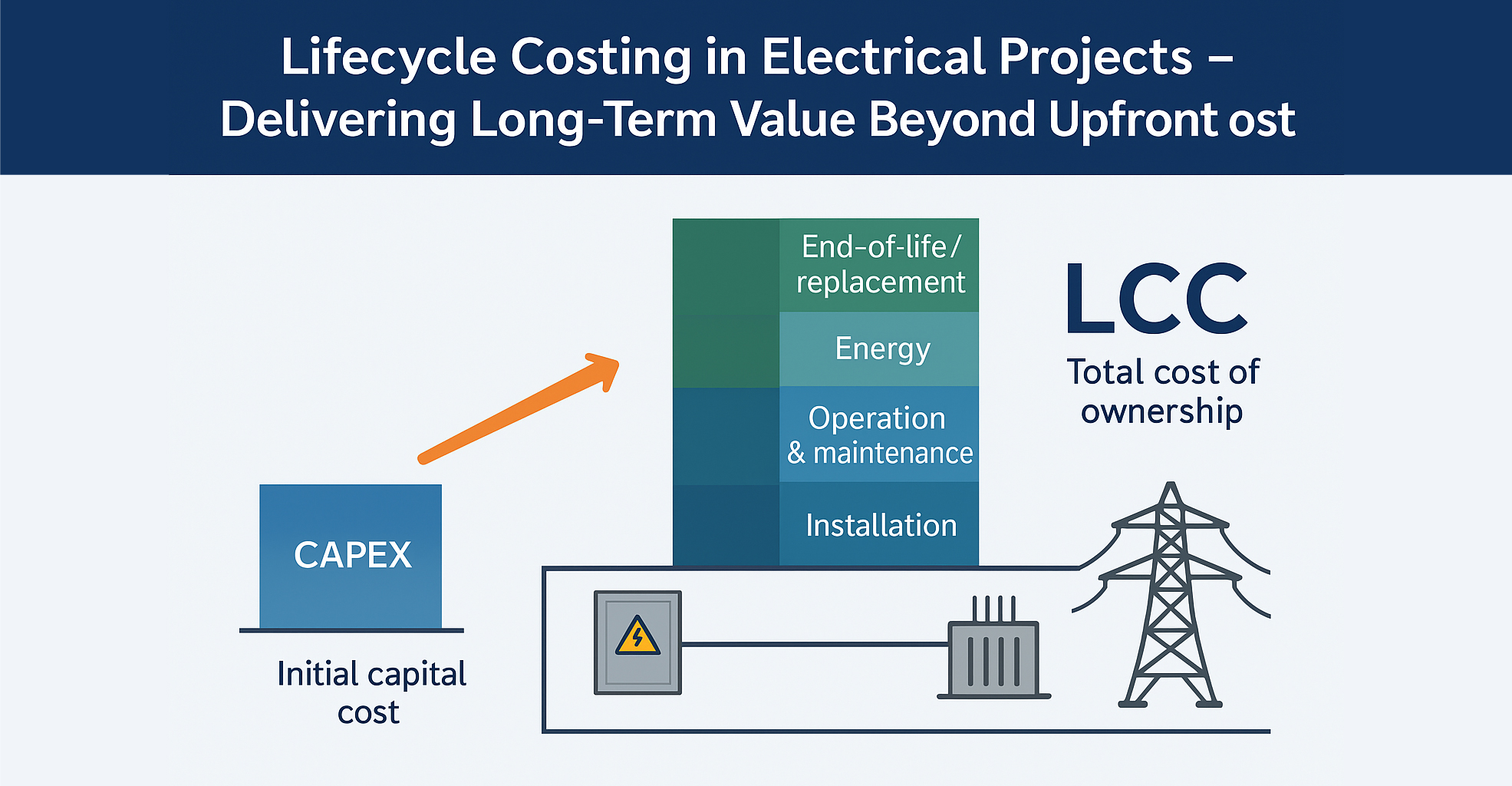
In electrical engineering, projects are often judged on their ability to meet technical requirements within budget and schedule. Too frequently, however, project evaluation focuses narrowly on capital expenditure (CAPEX), sidelining the costs that accumulate over the decades-long life of electrical infrastructure. Lifecycle Costing (LCC) offers a more strategic lens—one that considers not only the purchase price, but also operating, maintenance, reliability, and end-of-life costs.

Fire protection in electrical installations is a holistic responsibility that begins with design and extends through installation, operation, and maintenance. For panel builders and contractors, adopting best practices—ranging from correct sizing and material selection to integration of detection systems and ongoing maintenance—ensures installations remain safe and reliable.