


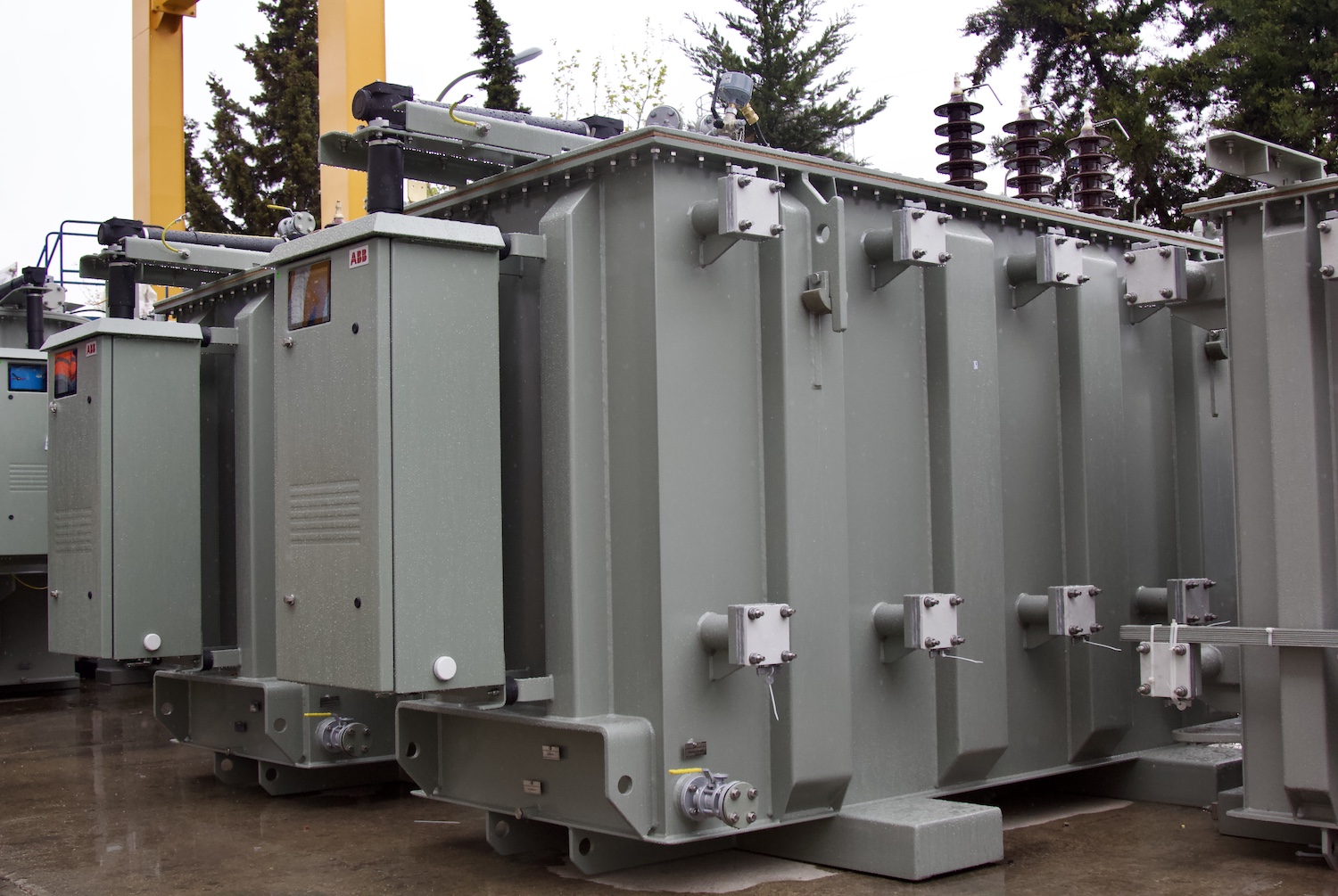
Voltage regulation in transformers is critical to ensuring stable and efficient operation in electrical power systems. Variations in load or supply voltage can lead to deviations from the desired voltage levels, potentially impacting the reliability and performance of equipment and infrastructure. Two primary techniques for regulating transformer voltage are On-Load Tap Changers (OLTC) and Off-Load Tap Changers (Off-Load Options).

Prefabricated substations are critical components of modern power distribution systems, particularly in industries, urban centers, and remote areas. These modular units house essential electrical equipment like transformers, switchgear, control systems, and LV panels, providing an efficient and compact solution for energy distribution. Routine maintenance is vital to ensure their reliability, longevity, and efficiency.

Segregation in Low Voltage (LV) boards is a crucial design principle aimed at enhancing operational safety, reliability, and maintainability of electrical systems. It involves dividing the internal components of a distribution board or switchboard into separate compartments or zones to minimize the risks associated with electrical faults, unauthorized access, and maintenance activities.

Aging switchgear is a critical concern in power systems as it directly impacts the reliability, efficiency, and safety of electrical distribution networks. Switchgear, composed of circuit breakers, disconnect switches, and other protective devices, serves to control and protect electrical systems. As infrastructure ages, maintaining or improving switchgear performance becomes essential to avoid costly downtimes, reduce risks, and meet evolving regulatory and technical standards.
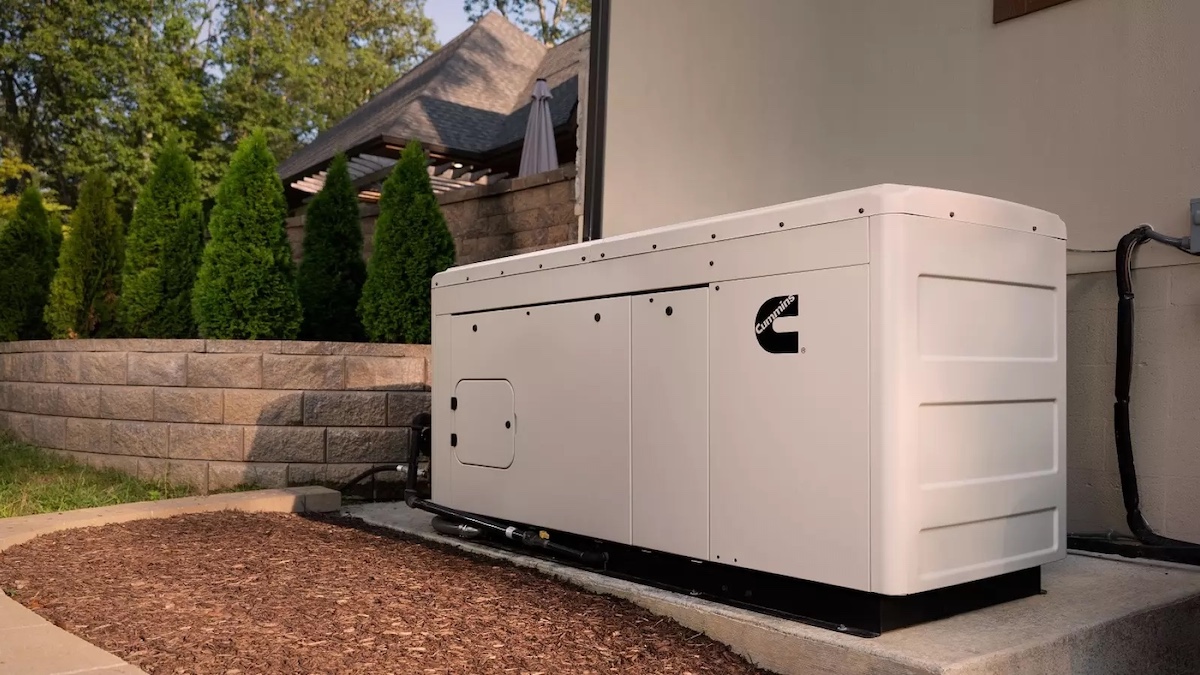
Choosing the right generator size is essential for ensuring that your power needs are met without interruptions or excessive costs. Whether you’re planning for a home, small business, or construction project, an appropriately sized generator will provide reliable power without risking equipment damage or running inefficiently. Here’s a simple guide on how to determine the right generator size without needing an engineering background.

Industrial lighting plays a critical role in ensuring safety, efficiency, and productivity in workplaces. However, designing effective lighting solutions for industrial spaces requires addressing specific challenges such as high ceilings, harsh environments, and task-specific requirements.

Rectifiers are essential components in industrial battery chargers, playing a critical role in converting alternating current (AC) into direct current (DC) to ensure a stable and reliable DC supply for critical systems. These systems include telecommunication networks, data centers, power plants, and industrial control systems, where uninterrupted power is vital for operation and safety.

Low Voltage (LV) boards are indispensable in the safe and efficient distribution of electrical power across industries. However, their standard design often falls short of meeting the unique requirements of specific sectors. Customization of LV boards ensures they are optimized for the distinct challenges, environments, and operational demands of various industries such as manufacturing, healthcare, marine, and retail.

Prefabricated compact substations (PCSs) are revolutionizing the electrical power sector by offering an innovative, efficient, and flexible approach to power distribution. These modular solutions are designed to simplify the delivery of electrical energy, reduce project timelines, and address the limitations of traditional substations. As global energy demands grow, PCSs present an attractive option for utilities, industries, and renewable energy projects.
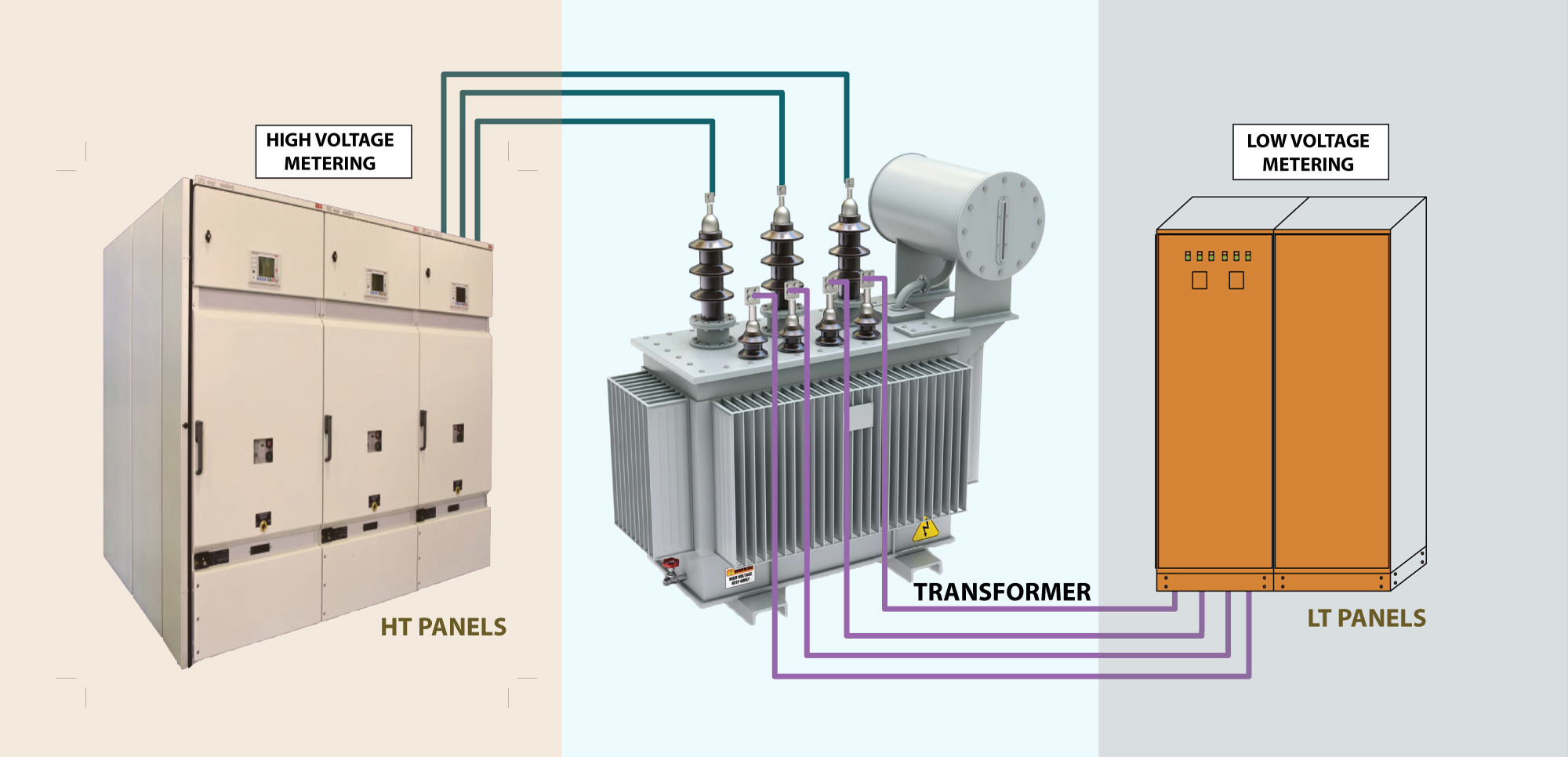
Metering in power systems is essential for accurately measuring electricity usage and managing energy distribution. The two main types of metering are High Voltage (HV) metering and Low Voltage (LV) metering. Each type has specific advantages and disadvantages and is suited for different applications depending on accuracy, cost, and customer type.