


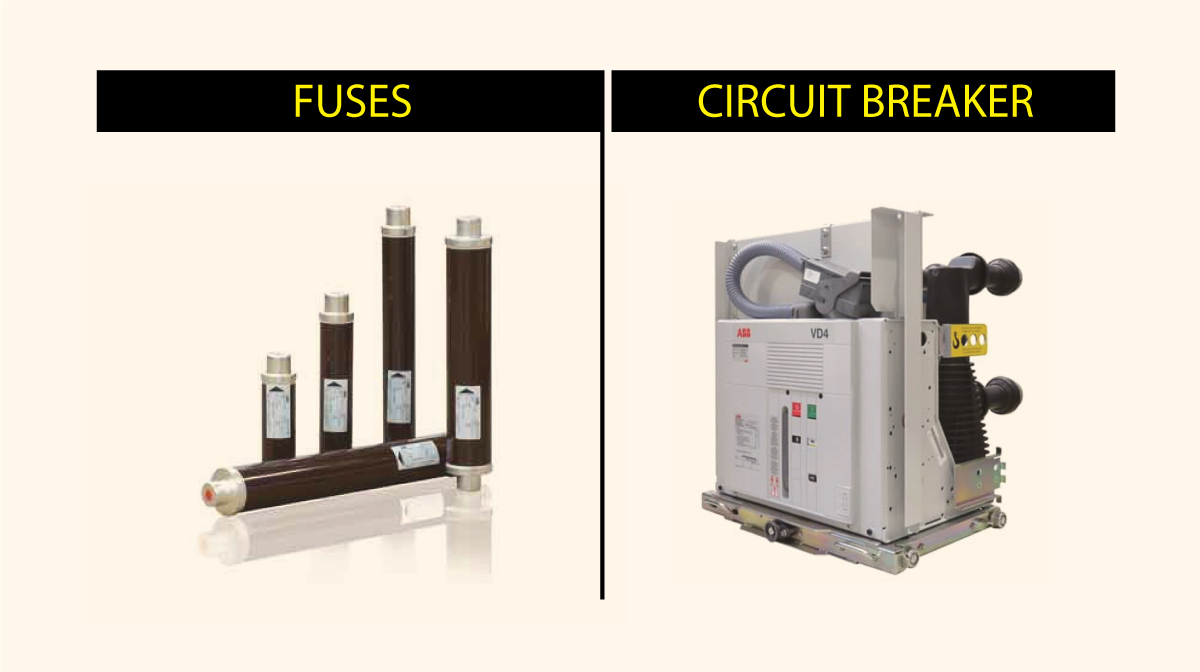
Electrical systems require robust protection mechanisms to ensure safety and reliability. Two primary devices used for this purpose are fuses and circuit breakers. Both serve to protect electrical circuits from overcurrent, but they operate differently and are suited to different applications. This article explores the differences between fuses and circuit breakers, their applications, and their benefits compared to alternatives.
Fuses are simple devices that consist of a metal wire or strip that melts when too much current flows through it, thereby interrupting the circuit. This melting is a result of the heat generated by the excessive current. Fuses are commonly used in household appliances, protecting devices like microwaves, refrigerators, and washing machines. They are also prevalent in the automotive industry for protecting car electrical systems and in industrial equipment for smaller, less critical circuits.
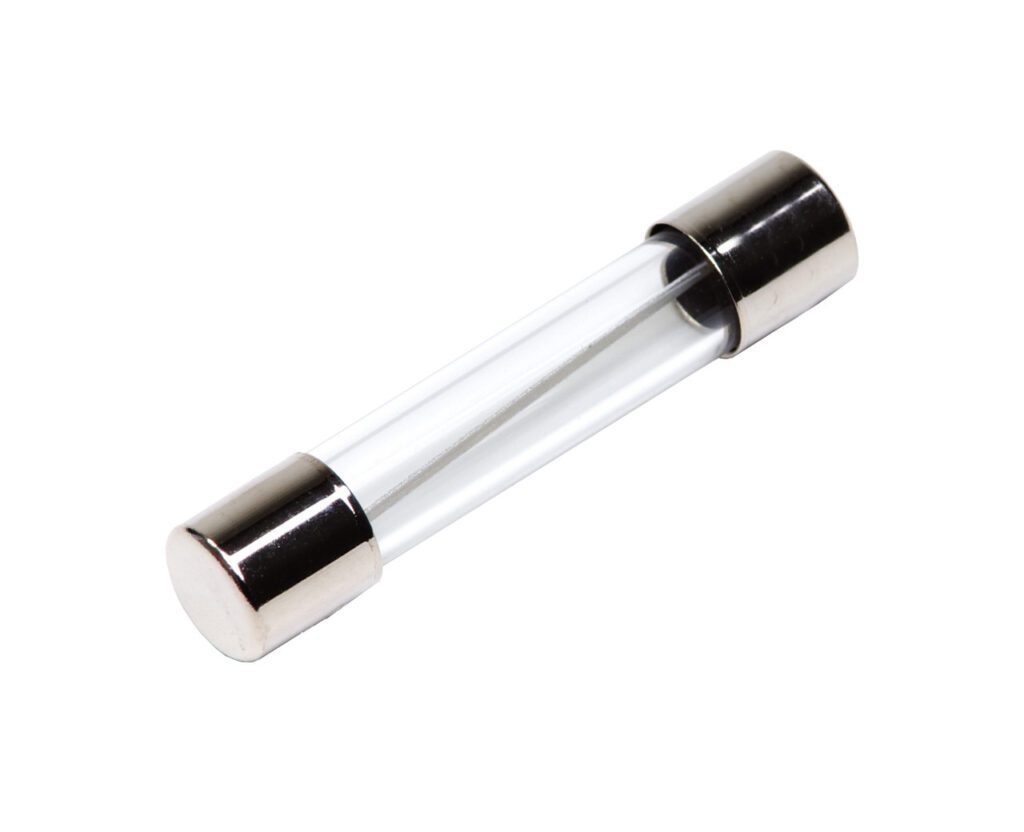

The primary benefits of fuses include their simplicity and cost-effectiveness. They are straightforward devices with no moving parts, making them highly reliable. Additionally, fuses are generally cheaper than circuit breakers and can react very quickly to overcurrent conditions, providing immediate protection. However, fuses have some drawbacks. They are single-use devices, meaning once a fuse blows, it must be replaced, which can be inconvenient. Furthermore, fuses do not provide protection against all types of electrical faults, such as short circuits or ground faults.
On the other hand, circuit breakers are more complex devices that can be reset after tripping. They use an electromechanical mechanism to interrupt the circuit when an overcurrent is detected. This mechanism can be thermal, magnetic, or a combination of both. Circuit breakers are used in residential buildings to protect home electrical systems, in commercial buildings to ensure the safety of office electrical installations, and in industrial settings to protect large machinery and critical systems.


The benefits of circuit breakers include their reusability and comprehensive protection. Circuit breakers can be reset after tripping, which is more convenient than replacing a fuse. They offer protection against a wider range of electrical faults, including short circuits and ground faults. Some circuit breakers also allow for adjustable trip settings, providing flexibility in protection levels. However, circuit breakers are generally more expensive than fuses and are more complex devices with moving parts, which can potentially fail.
When comparing fuses and circuit breakers, cost is a significant factor. Fuses are cheaper but single-use, while circuit breakers are more expensive but reusable. In terms of response time, fuses react faster to overcurrent conditions, but circuit breakers offer more comprehensive protection. Maintenance is another consideration; fuses require replacement after each fault, whereas circuit breakers can be reset.
There are also alternatives to fuses and circuit breakers. Residual Current Devices (RCDs) provide protection against earth faults by detecting imbalances between live and neutral wires. Surge protectors are used to protect against voltage spikes, which neither fuses nor circuit breakers can handle effectively.
In conclusion, both fuses and circuit breakers play crucial roles in protecting electrical systems. The choice between them depends on the specific requirements of the application, including cost, convenience, and the type of protection needed. While fuses are simple and cost-effective, circuit breakers offer reusability and broader protection. Understanding these differences helps in selecting the appropriate device for ensuring electrical safety and reliability.
Reach out to AdepaTrade when considering protecting your electrical systems as we collaborate closely with you to deliver expert solutions tailored to protect your system, and investment. Our dedicated team ensures maximum safety and efficiency, leveraging years of industry expertise to safeguard your assets and provide peace of mind. Trust us to be your reliable partner in protection.
Comments are closed