


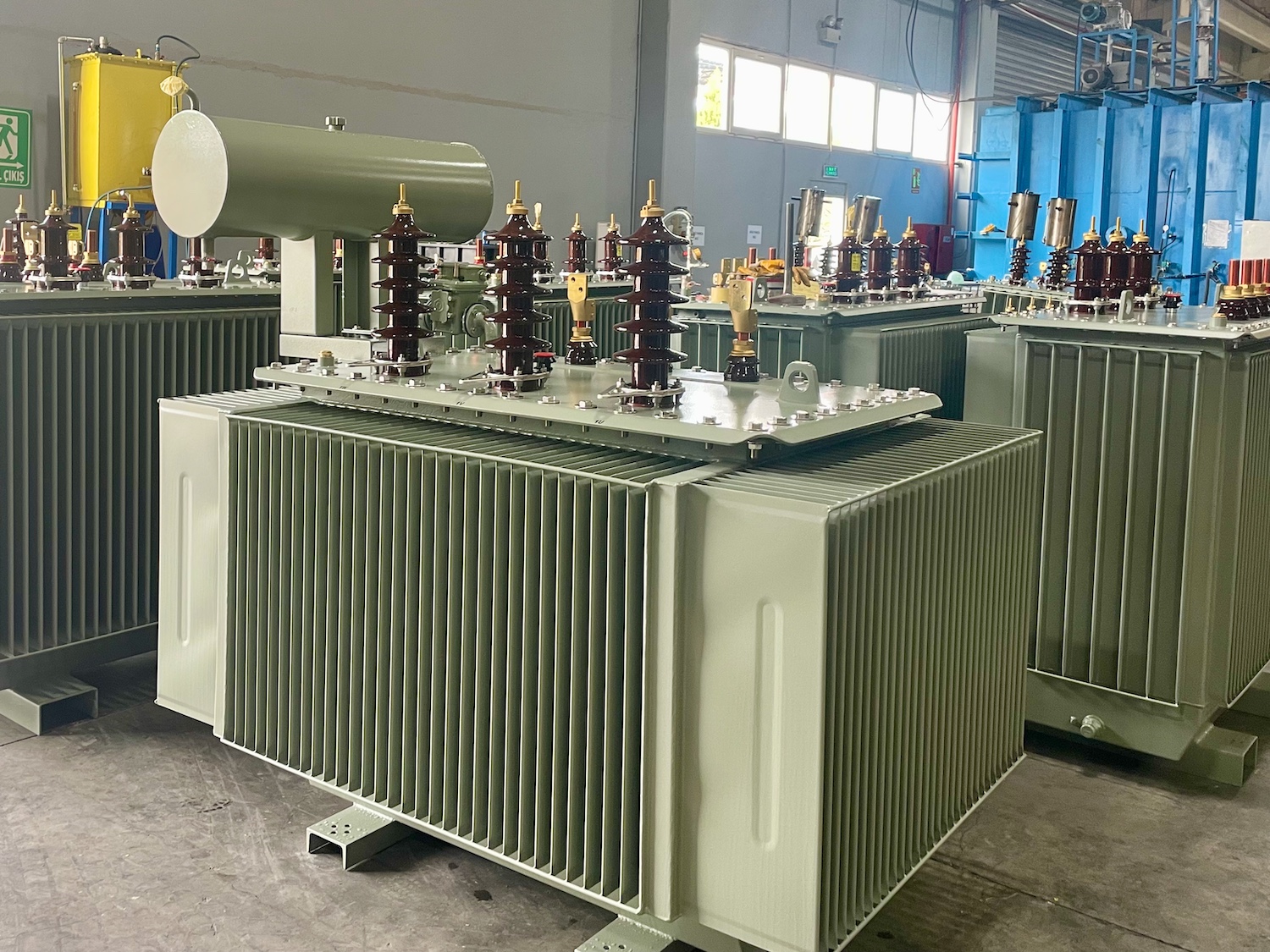
Medium voltage (MV) transformer design and selection is a critical aspect of power system engineering, directly influencing system reliability, efficiency, and lifecycle cost. Typically operating in the range of 1 kV to 36 kV, MV transformers are widely used in industrial facilities, commercial complexes, renewable energy plants, and utility distribution networks. Selecting the right transformer requires a structured evaluation of load characteristics, system requirements, and environmental conditions.

In electrical power engineering, proper cable terminations are crucial for ensuring the safe and reliable performance of high-voltage and medium-voltage power systems. Heat shrink and cold shrink termination kits are two widely used methods for insulating and sealing cable ends, each with distinct characteristics, advantages, and applications.
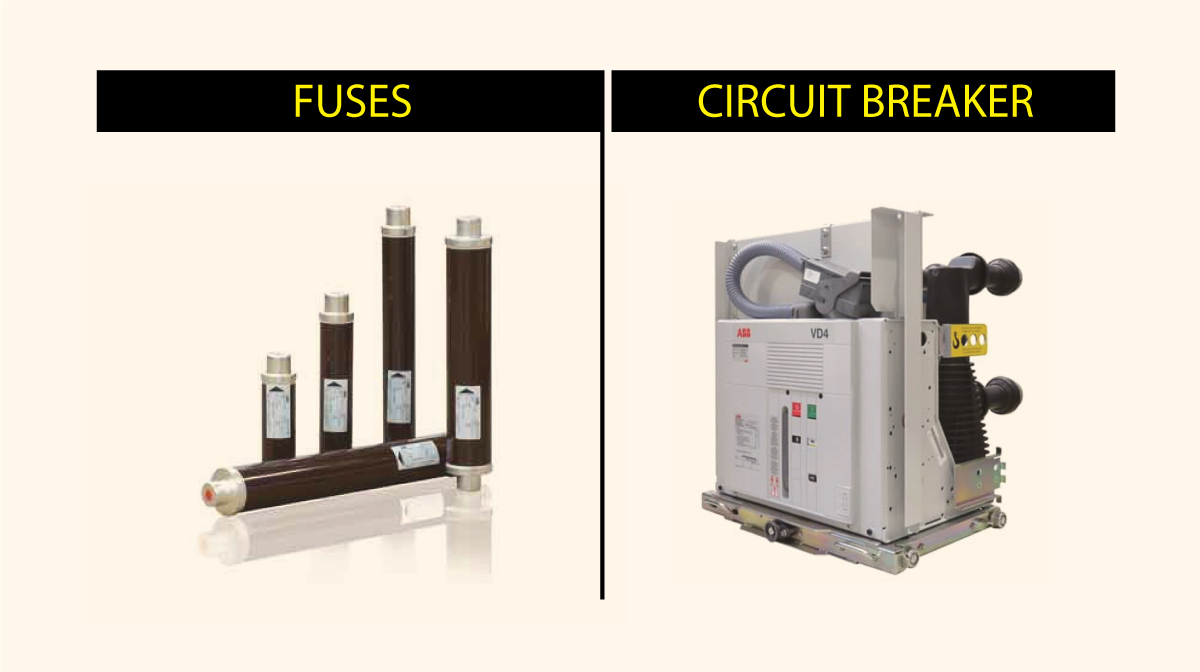
Electrical systems require robust protection mechanisms to ensure safety and reliability. Two primary devices used for this purpose are fuses and circuit breakers. Both serve to protect electrical circuits from overcurrent, but they operate differently and are suited to different applications. This article explores the differences between fuses and circuit breakers, their applications, and their benefits compared to alternatives.

In the realm of electrical power engineering, the choice of transformer type is crucial for ensuring efficiency, safety, and reliability. Among the various types of transformers, dry cast resin transformers have gained significant preference over oil-filled transformers. This article delves into the reasons behind this preference, the applications of dry cast resin transformers, and their benefits compared to their oil-filled counterparts.