


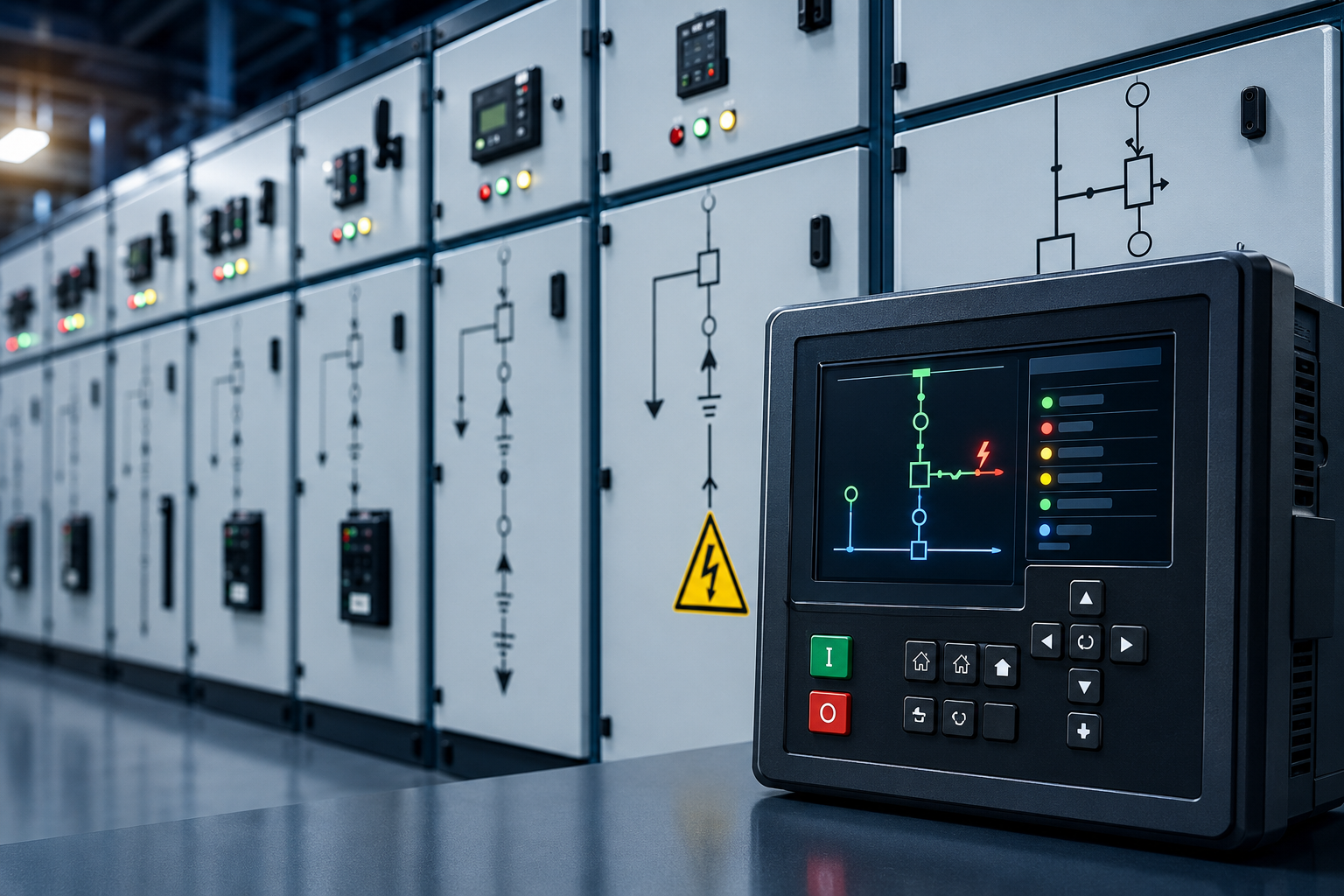
Protection relay coordination is one of the most critical aspects of electrical power system design. Modern switchgear installations rely on intelligent protection relays to detect abnormal operating conditions and isolate only the faulty section of the network while maintaining service continuity to healthy circuits. Proper relay coordination minimizes equipment damage, reduces downtime, enhances personnel safety, and improves overall system reliability.

Protective relays are critical components in electrical power systems, acting as the “nervous system” that detects faults and initiates rapid isolation of affected sections. Their primary purpose is to safeguard power system equipment, maintain system stability, and ensure personnel safety by preventing damage and limiting fault propagation.
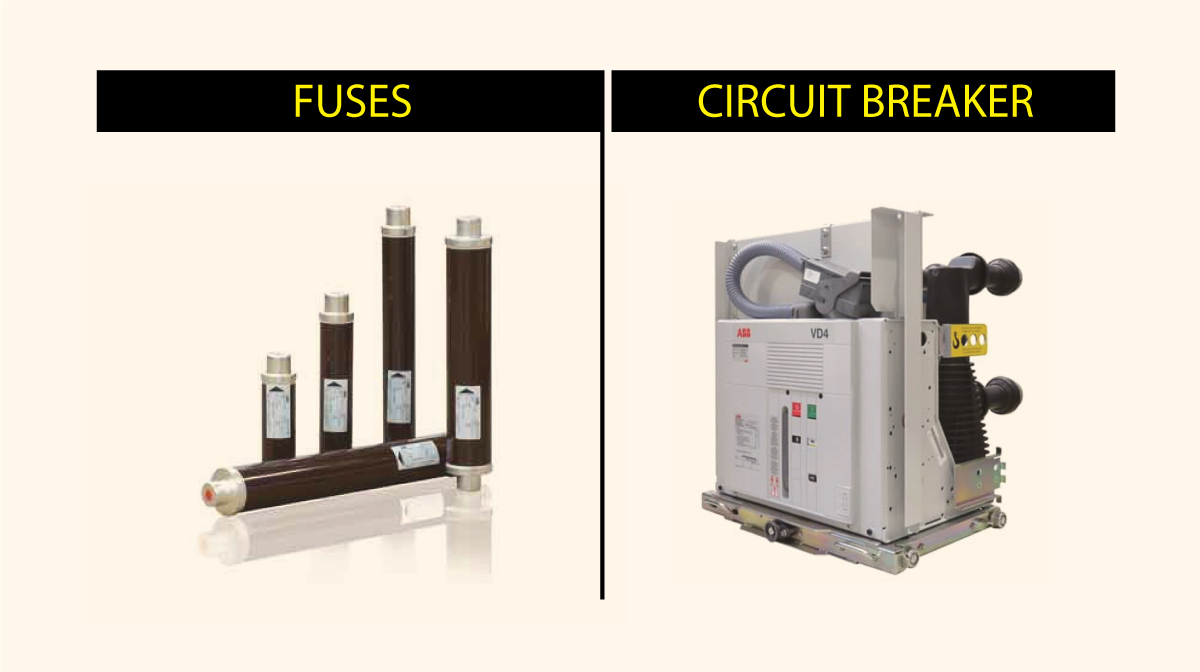
Electrical systems require robust protection mechanisms to ensure safety and reliability. Two primary devices used for this purpose are fuses and circuit breakers. Both serve to protect electrical circuits from overcurrent, but they operate differently and are suited to different applications. This article explores the differences between fuses and circuit breakers, their applications, and their benefits compared to alternatives.