


In electrical power systems, Current Transformers (CTs) and Voltage Transformers (VTs) — collectively known as instrument transformers — play a vital role in both metering and protection. They form the bridge between high-voltage power circuits and low-voltage measuring and protection devices, enabling safe, accurate, and reliable system operation.
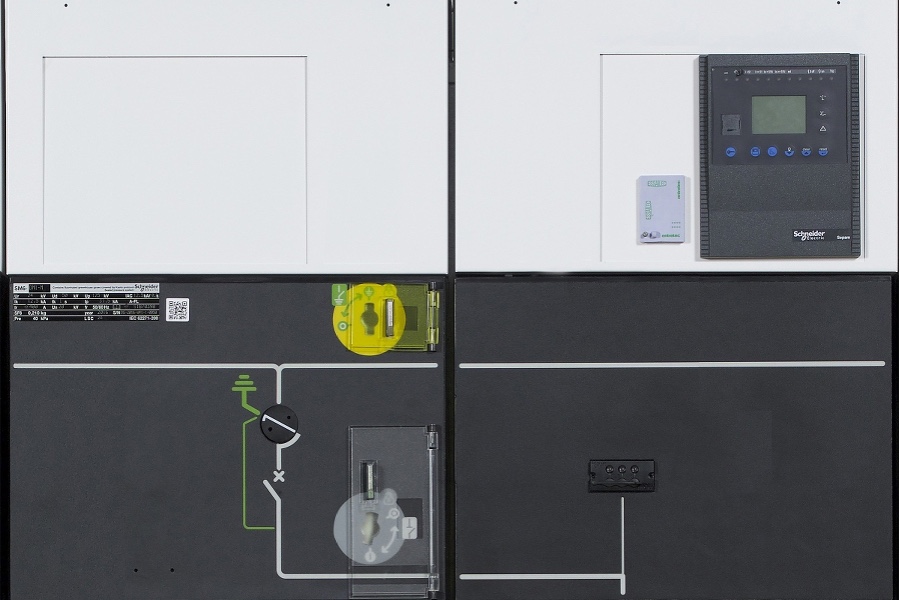
In medium voltage (MV) power systems—typically operating between 1 kV and 36 kV—switchgear controls, protects, and isolates electrical equipment. Because of the high energy involved, minor operational errors can cause equipment damage or personnel injury. Interlocking systems are a critical layer of protection that prevent unsafe operating sequences and ensure reliable operation.

Protective relays are critical components in electrical power systems, acting as the “nervous system” that detects faults and initiates rapid isolation of affected sections. Their primary purpose is to safeguard power system equipment, maintain system stability, and ensure personnel safety by preventing damage and limiting fault propagation.

Switchgears are essential in electrical power systems for controlling, protecting, and isolating equipment. They ensure safe and reliable power flow across networks. Among the most common types are Air-Insulated Switchgear (AIS) and Gas-Insulated Switchgear (GIS). Each has distinct features, benefits, and limitations that influence their application in different settings.
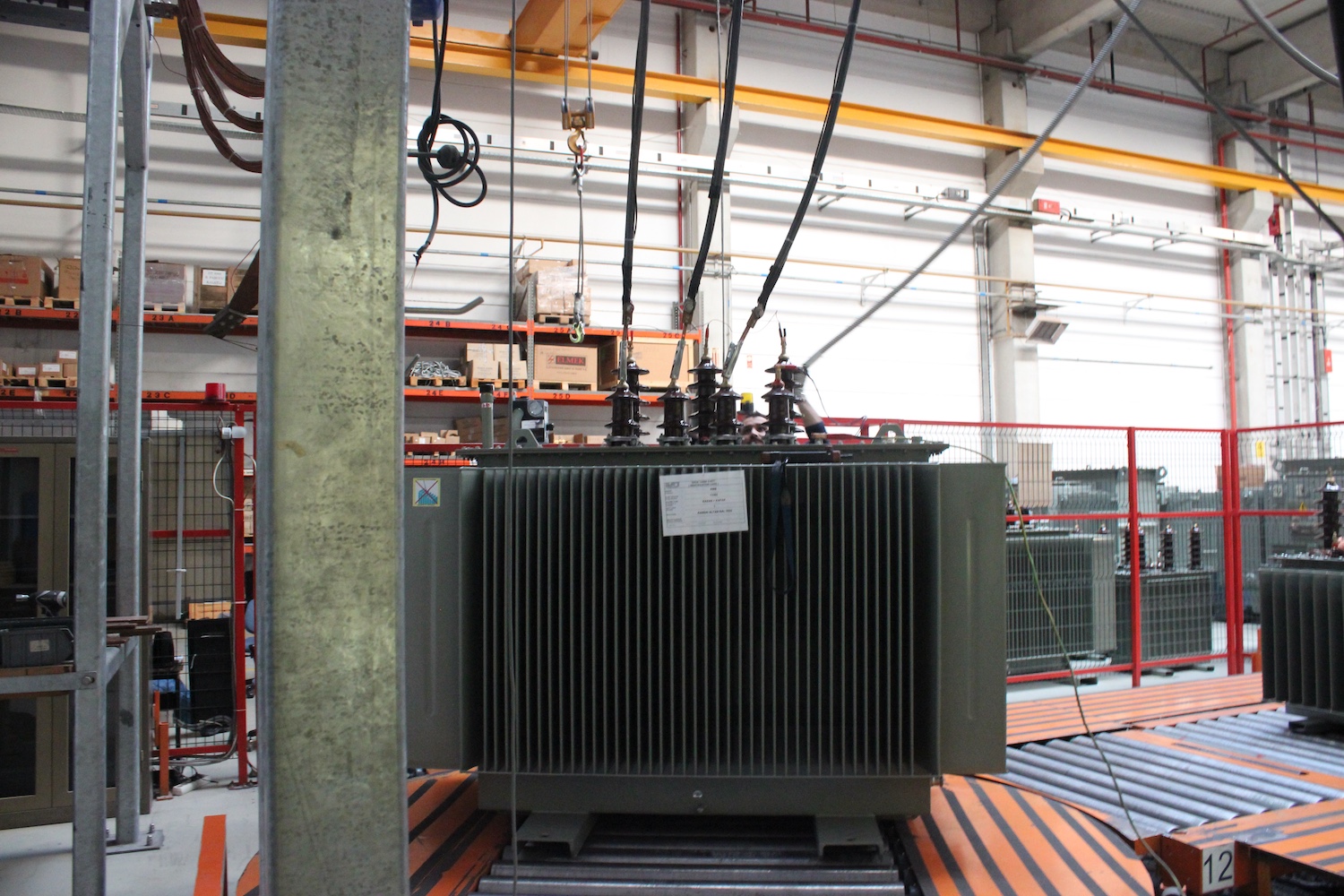
Factory Acceptance Testing (FAT) is a crucial phase in the lifecycle of a power transformer, conducted at the manufacturer’s facility before the equipment is shipped to the project site. FAT ensures that the transformer meets the design specifications, contractual requirements, and relevant international standards such as IEC 60076 or IEEE C57.12. Testing at this stage significantly reduces the risk of failures during commissioning or operation, which could lead to costly delays or damage.
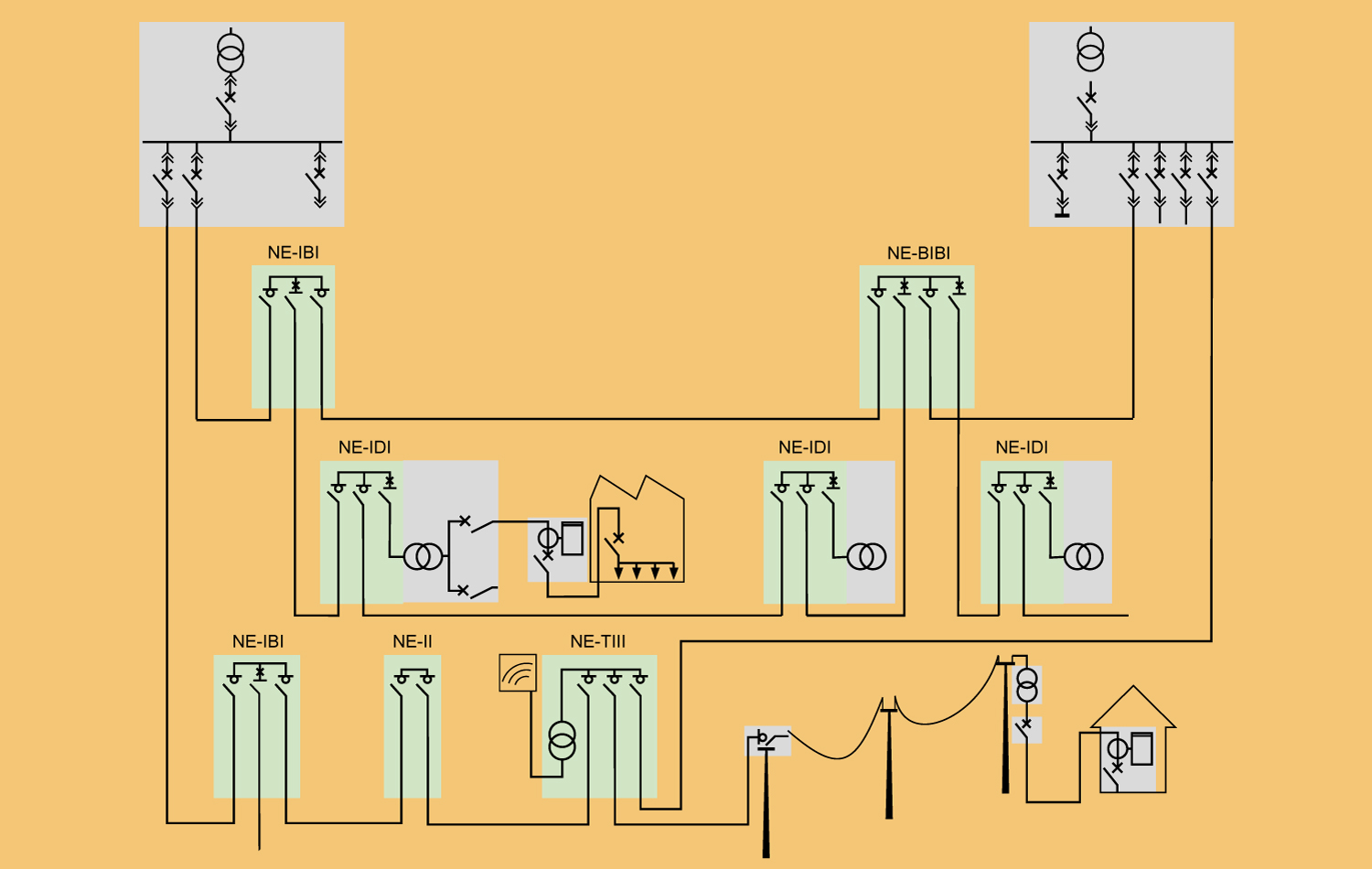
Directional relays play a critical role in power distribution systems, ensuring proper fault detection and isolation while maintaining system stability and reliability. These relays are particularly useful in complex networks where power flow can change direction, such as ring mains, parallel feeders, or interconnected grids.