


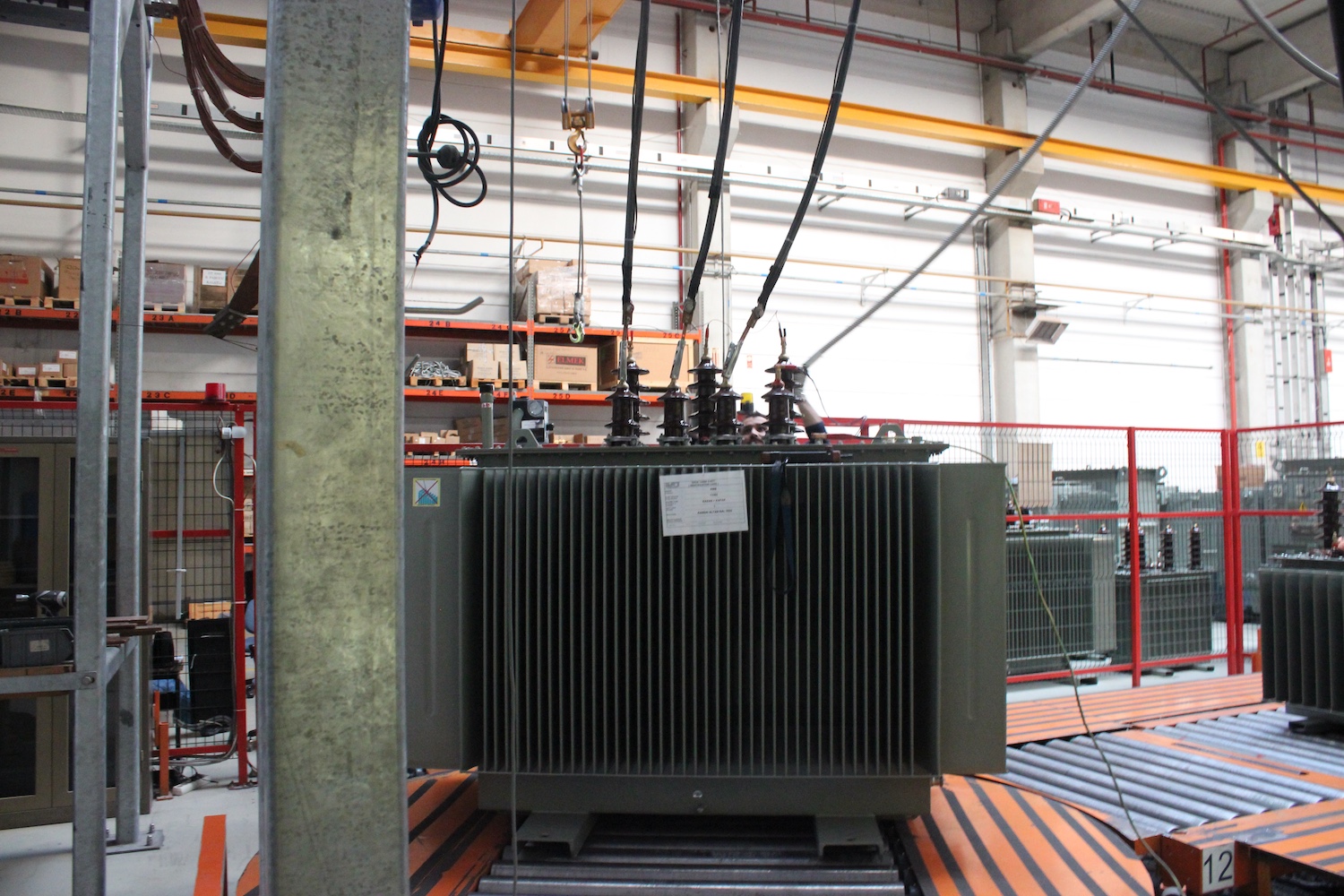
Factory Acceptance Testing (FAT) is a crucial phase in the lifecycle of a power transformer, conducted at the manufacturer’s facility before the equipment is shipped to the project site. FAT ensures that the transformer meets the design specifications, contractual requirements, and relevant international standards such as IEC 60076 or IEEE C57.12. Testing at this stage significantly reduces the risk of failures during commissioning or operation, which could lead to costly delays or damage.

Retrofitting lighting systems is an essential component of energy efficiency and infrastructure modernization in both commercial and industrial environments. Lighting accounts for a significant portion of electricity consumption, especially in large facilities such as factories, offices, and public infrastructure. Retrofit solutions offer cost-effective strategies to reduce energy usage, improve lighting quality, and minimize operational expenses without the need for complete system overhauls.
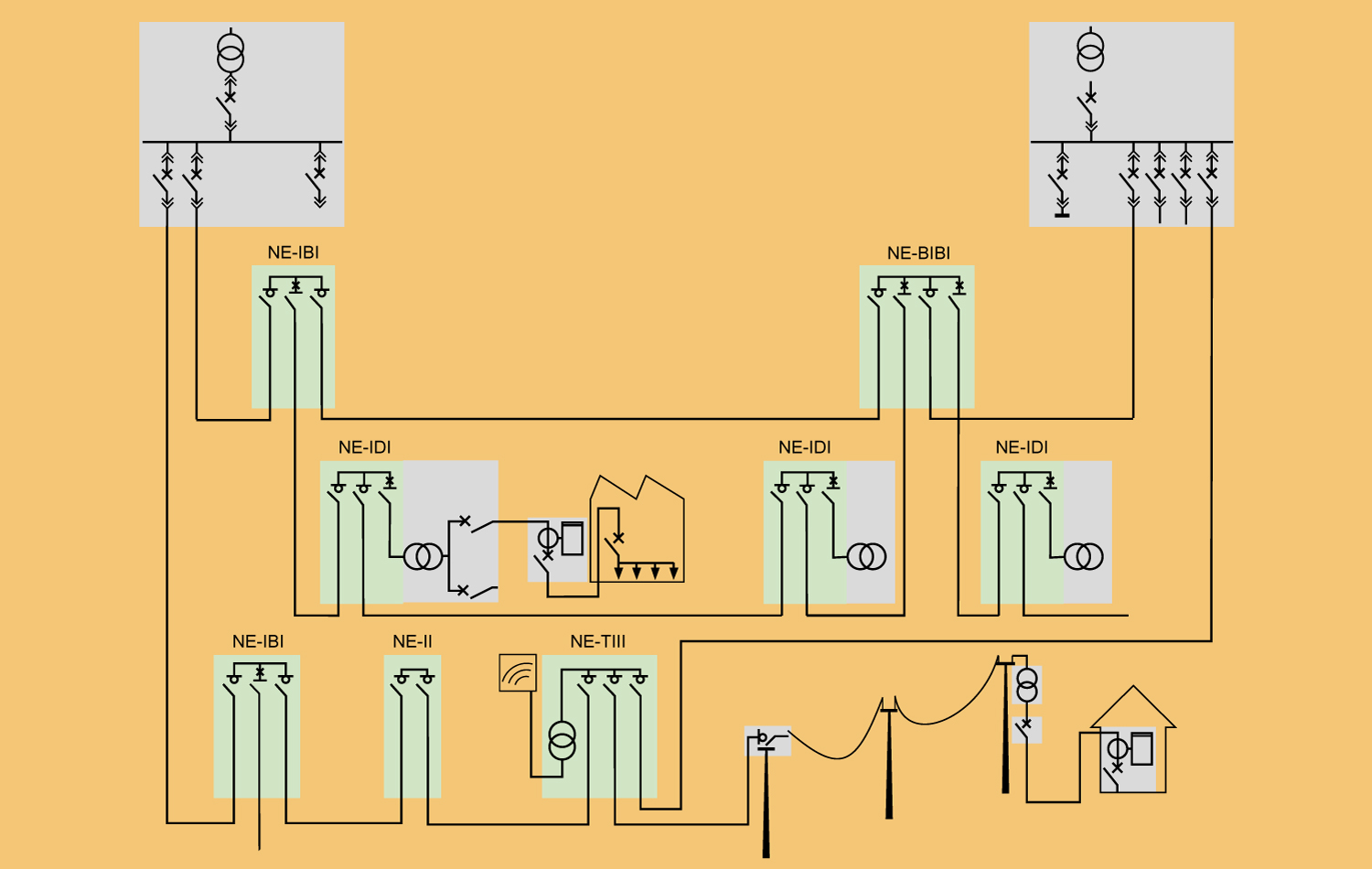
Directional relays play a critical role in power distribution systems, ensuring proper fault detection and isolation while maintaining system stability and reliability. These relays are particularly useful in complex networks where power flow can change direction, such as ring mains, parallel feeders, or interconnected grids.
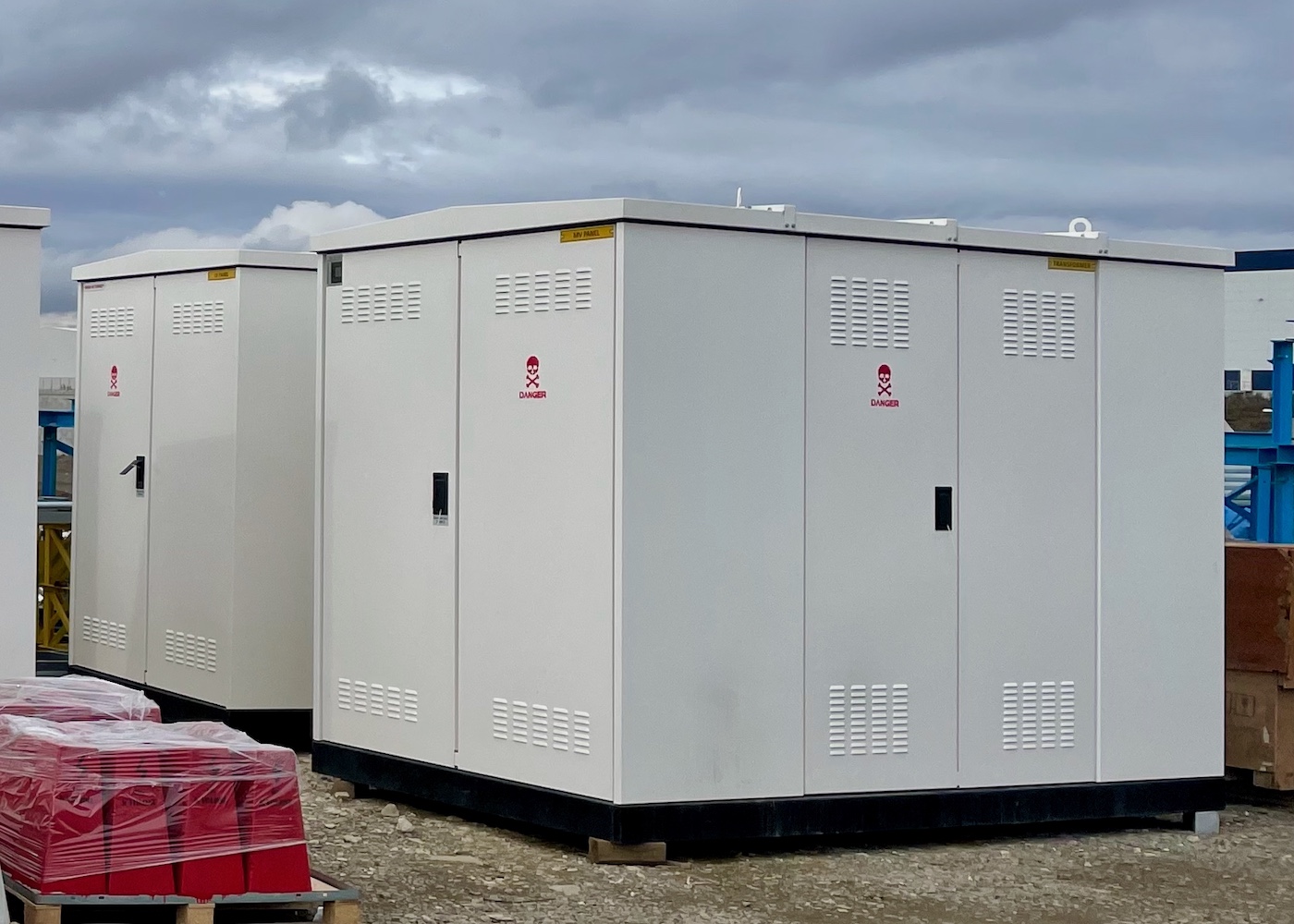
In the power industry, reliability and continuity of electrical supply are crucial for industrial, commercial, and residential consumers. However, unforeseen emergencies such as natural disasters, equipment failures, or infrastructure upgrades can lead to unexpected power outages. Mobile prefabricated substations serve as an efficient and flexible solution for restoring power in such scenarios
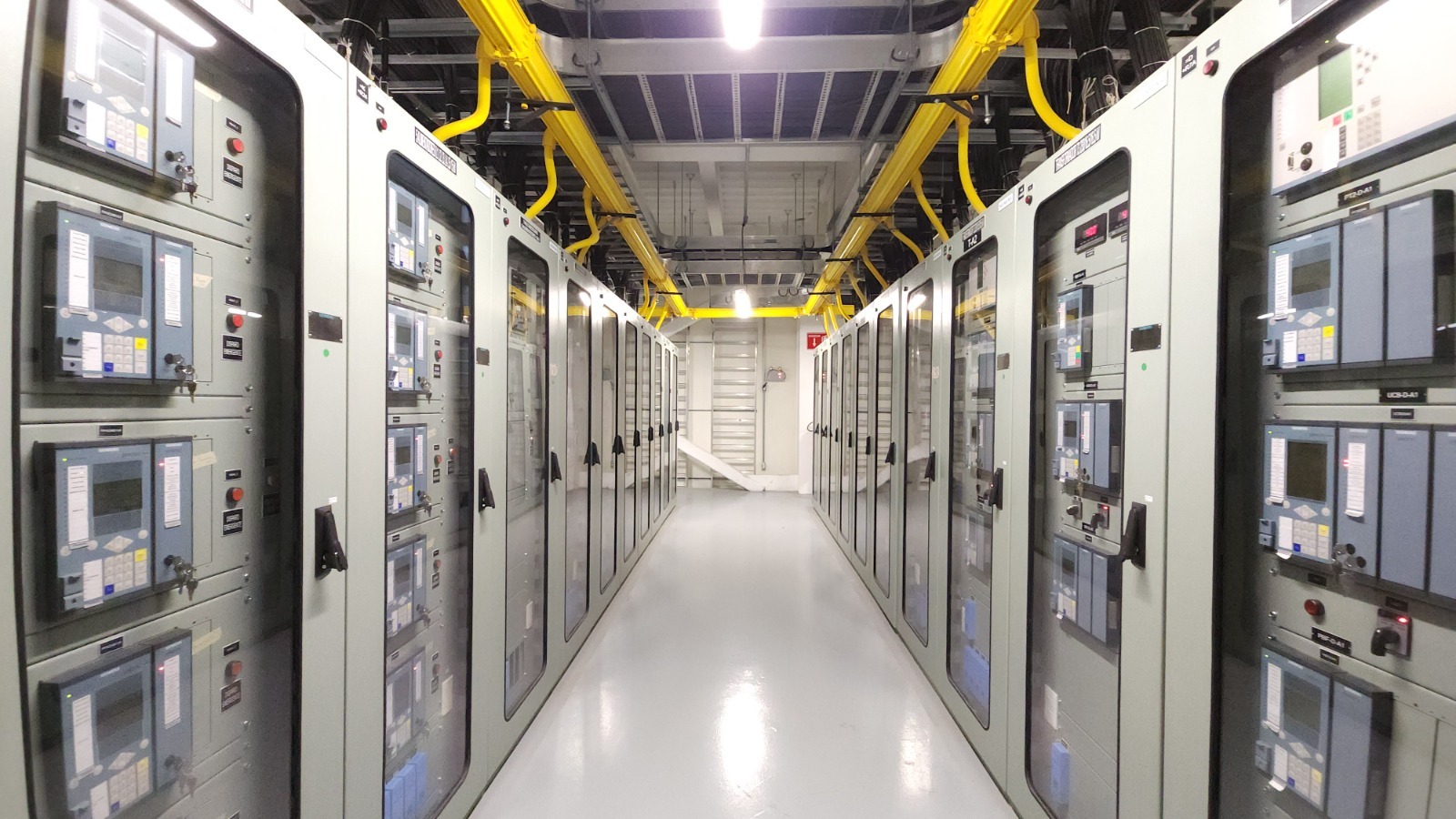
In modern electrical power systems, integrating Low Voltage (LV) boards with Supervisory Control and Data Acquisition (SCADA) systems is essential for efficient real-time monitoring and control. This process enhances system reliability, optimizes energy usage, and improves operational decision-making.

Uninterruptible Power Supply (UPS) systems play a crucial role in ensuring the continuous operation of electrical equipment by providing backup power during outages and protecting against power quality issues. There are three main types of UPS systems: Offline, Line-Interactive, and Online. Each type has distinct features suited for different applications.

In electrical power engineering, proper cable terminations are crucial for ensuring the safe and reliable performance of high-voltage and medium-voltage power systems. Heat shrink and cold shrink termination kits are two widely used methods for insulating and sealing cable ends, each with distinct characteristics, advantages, and applications.
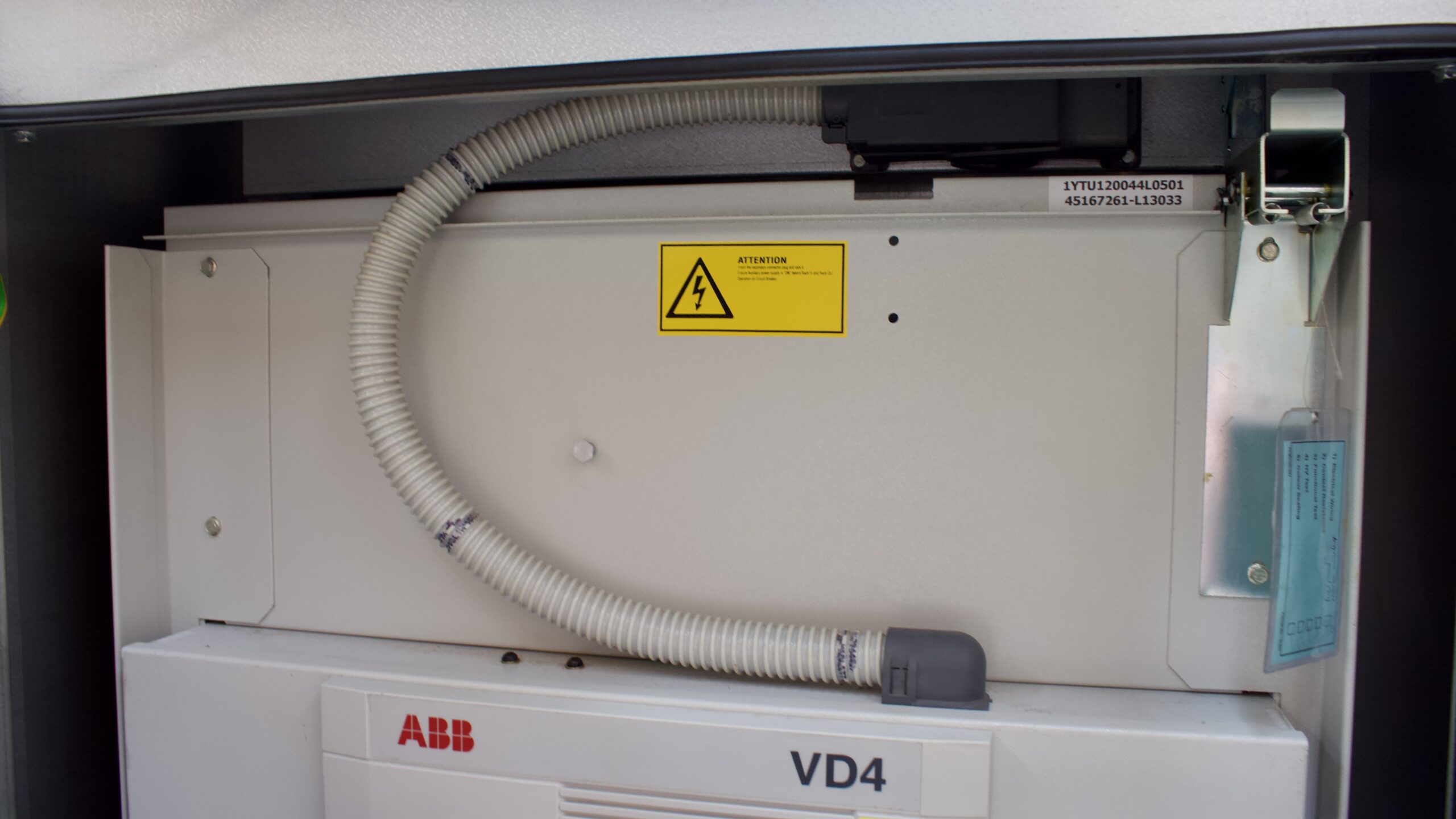
Circuit breakers play a vital role in electrical switchgear systems, ensuring the protection and control of electrical networks. One of the critical decisions when designing or upgrading switchgear is choosing between fixed and withdrawable circuit breakers. Each type has its advantages and is suited for different applications. The choice depends on various factors, including reliability, maintenance requirements, operational flexibility, and cost.

Energy efficiency is a key driver for sustainability, cost reduction, and operational optimization in industries, commercial buildings, and residential facilities. An energy audit is a systematic approach to assessing energy consumption, identifying inefficiencies, and proposing cost-effective solutions to enhance energy savings. This article explores energy audit methodologies, essential tools, and strategies to maximize energy savings.

Voltage transformers (VTs), also known as potential transformers (PTs), are essential components in electrical power systems, particularly in protective relay systems. They play a crucial role in safeguarding critical infrastructure by providing accurate voltage measurements necessary for the operation of relays and other protective devices.