


Value engineering (VE) is a systematic and disciplined approach aimed at enhancing the value of a project by evaluating functions and identifying opportunities to reduce costs while maintaining or improving safety, reliability, and performance. In electrical engineering projects, VE is especially crucial due to the high capital investments and the need for long-term operational efficiency. The goal is not simply cost-cutting but optimizing solutions to deliver the best value over the project lifecycle.

Retrofitting lighting systems is an essential component of energy efficiency and infrastructure modernization in both commercial and industrial environments. Lighting accounts for a significant portion of electricity consumption, especially in large facilities such as factories, offices, and public infrastructure. Retrofit solutions offer cost-effective strategies to reduce energy usage, improve lighting quality, and minimize operational expenses without the need for complete system overhauls.
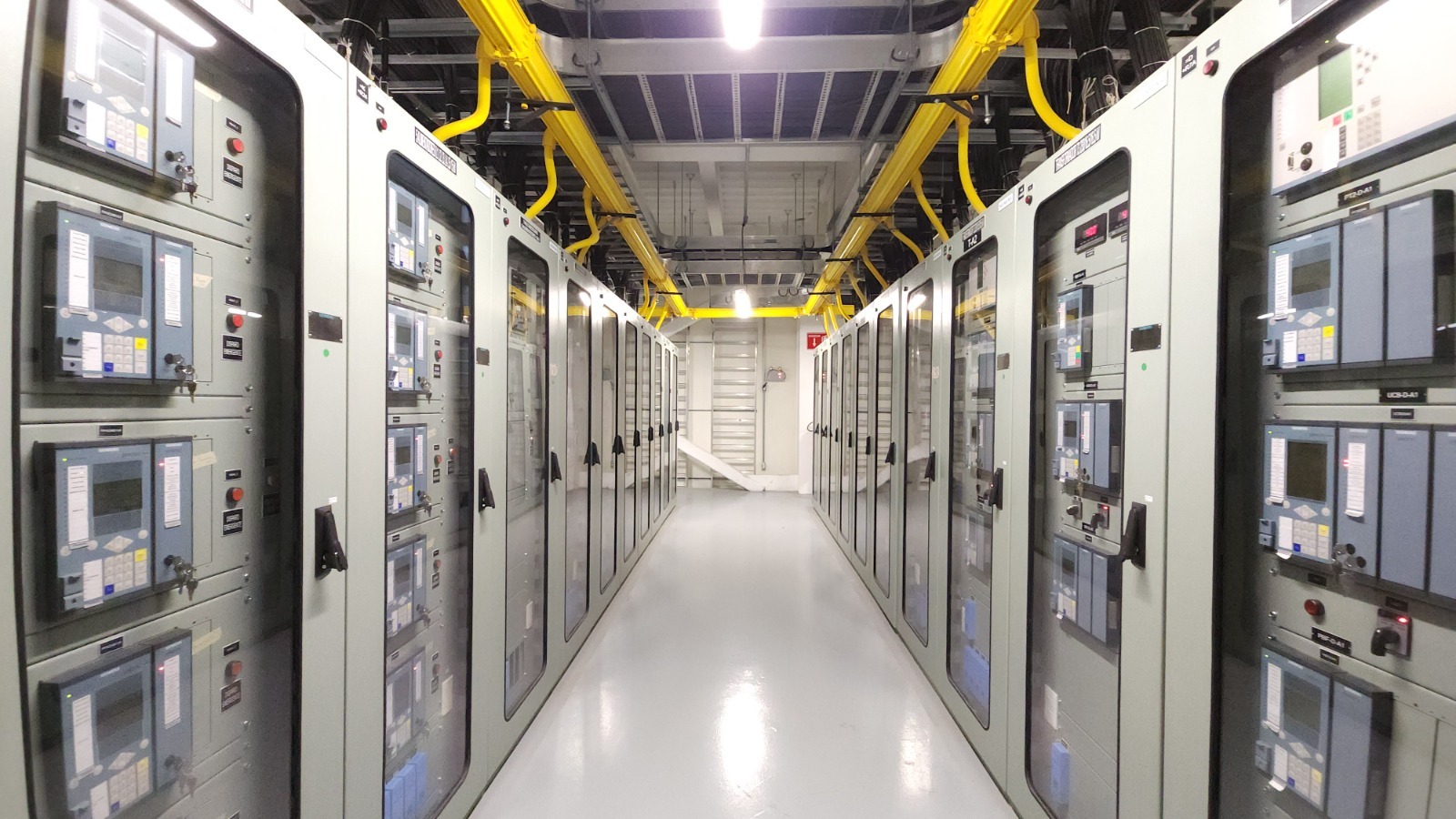
In modern electrical power systems, integrating Low Voltage (LV) boards with Supervisory Control and Data Acquisition (SCADA) systems is essential for efficient real-time monitoring and control. This process enhances system reliability, optimizes energy usage, and improves operational decision-making.

Uninterruptible Power Supply (UPS) systems play a crucial role in ensuring the continuous operation of electrical equipment by providing backup power during outages and protecting against power quality issues. There are three main types of UPS systems: Offline, Line-Interactive, and Online. Each type has distinct features suited for different applications.
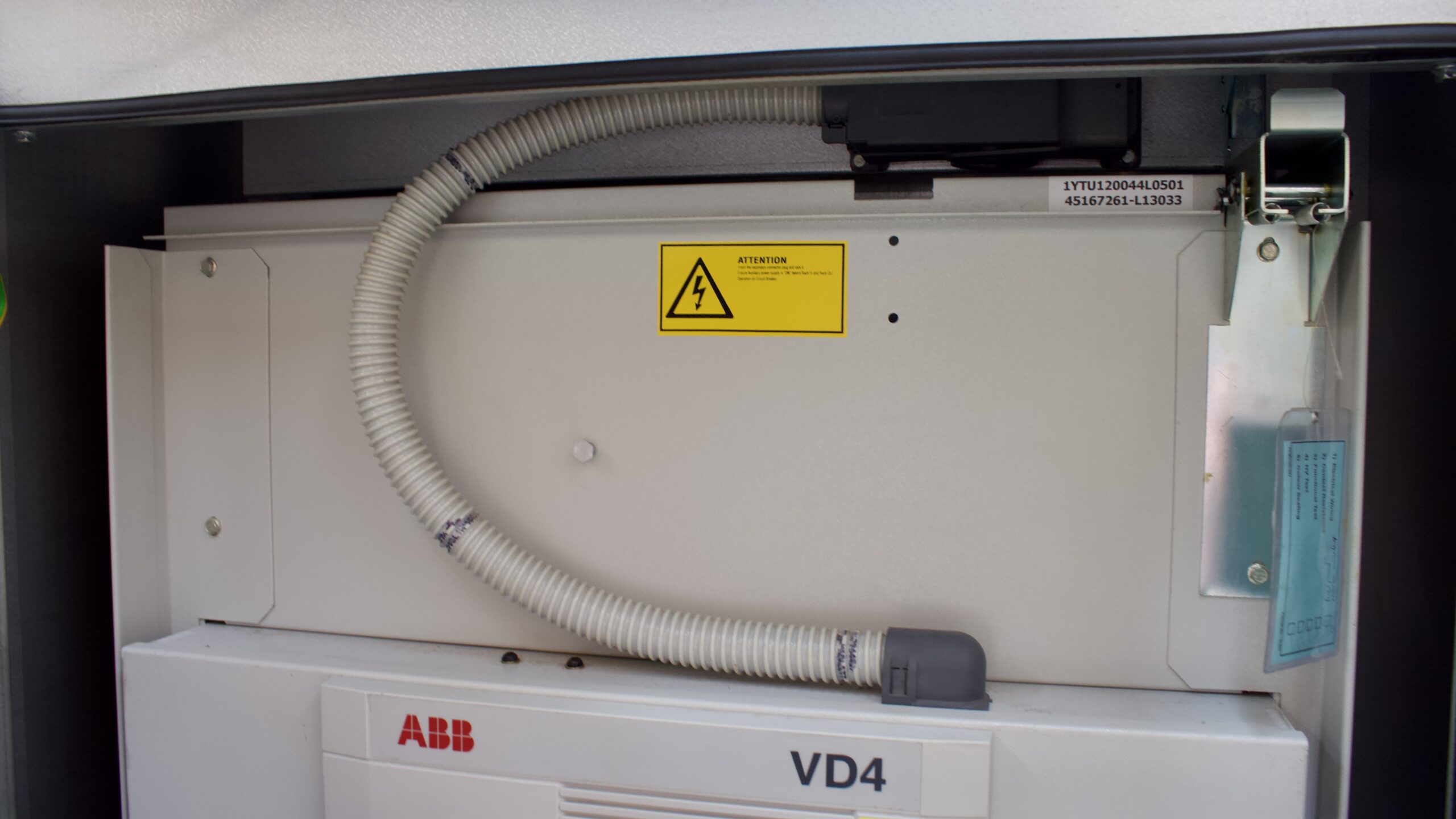
Circuit breakers play a vital role in electrical switchgear systems, ensuring the protection and control of electrical networks. One of the critical decisions when designing or upgrading switchgear is choosing between fixed and withdrawable circuit breakers. Each type has its advantages and is suited for different applications. The choice depends on various factors, including reliability, maintenance requirements, operational flexibility, and cost.

Energy efficiency is a key driver for sustainability, cost reduction, and operational optimization in industries, commercial buildings, and residential facilities. An energy audit is a systematic approach to assessing energy consumption, identifying inefficiencies, and proposing cost-effective solutions to enhance energy savings. This article explores energy audit methodologies, essential tools, and strategies to maximize energy savings.

Prefabricated substations are critical components of modern power distribution systems, particularly in industries, urban centers, and remote areas. These modular units house essential electrical equipment like transformers, switchgear, control systems, and LV panels, providing an efficient and compact solution for energy distribution. Routine maintenance is vital to ensure their reliability, longevity, and efficiency.

Aging switchgear is a critical concern in power systems as it directly impacts the reliability, efficiency, and safety of electrical distribution networks. Switchgear, composed of circuit breakers, disconnect switches, and other protective devices, serves to control and protect electrical systems. As infrastructure ages, maintaining or improving switchgear performance becomes essential to avoid costly downtimes, reduce risks, and meet evolving regulatory and technical standards.

Rectifiers are essential components in industrial battery chargers, playing a critical role in converting alternating current (AC) into direct current (DC) to ensure a stable and reliable DC supply for critical systems. These systems include telecommunication networks, data centers, power plants, and industrial control systems, where uninterrupted power is vital for operation and safety.

Low Voltage (LV) boards are indispensable in the safe and efficient distribution of electrical power across industries. However, their standard design often falls short of meeting the unique requirements of specific sectors. Customization of LV boards ensures they are optimized for the distinct challenges, environments, and operational demands of various industries such as manufacturing, healthcare, marine, and retail.