


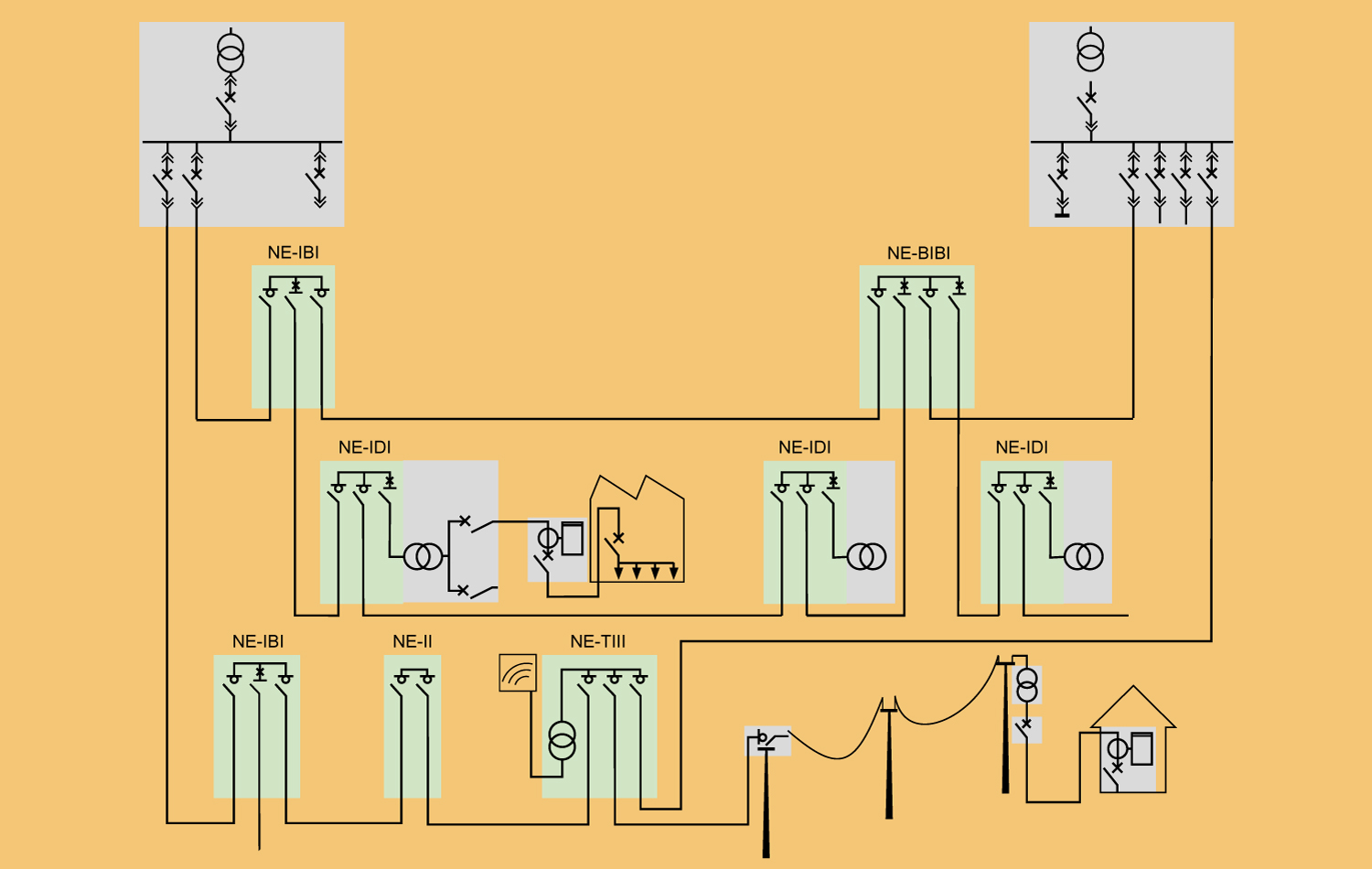
Directional relays play a critical role in power distribution systems, ensuring proper fault detection and isolation while maintaining system stability and reliability. These relays are particularly useful in complex networks where power flow can change direction, such as ring mains, parallel feeders, or interconnected grids.

Uninterruptible Power Supply (UPS) systems play a crucial role in ensuring the continuous operation of electrical equipment by providing backup power during outages and protecting against power quality issues. There are three main types of UPS systems: Offline, Line-Interactive, and Online. Each type has distinct features suited for different applications.
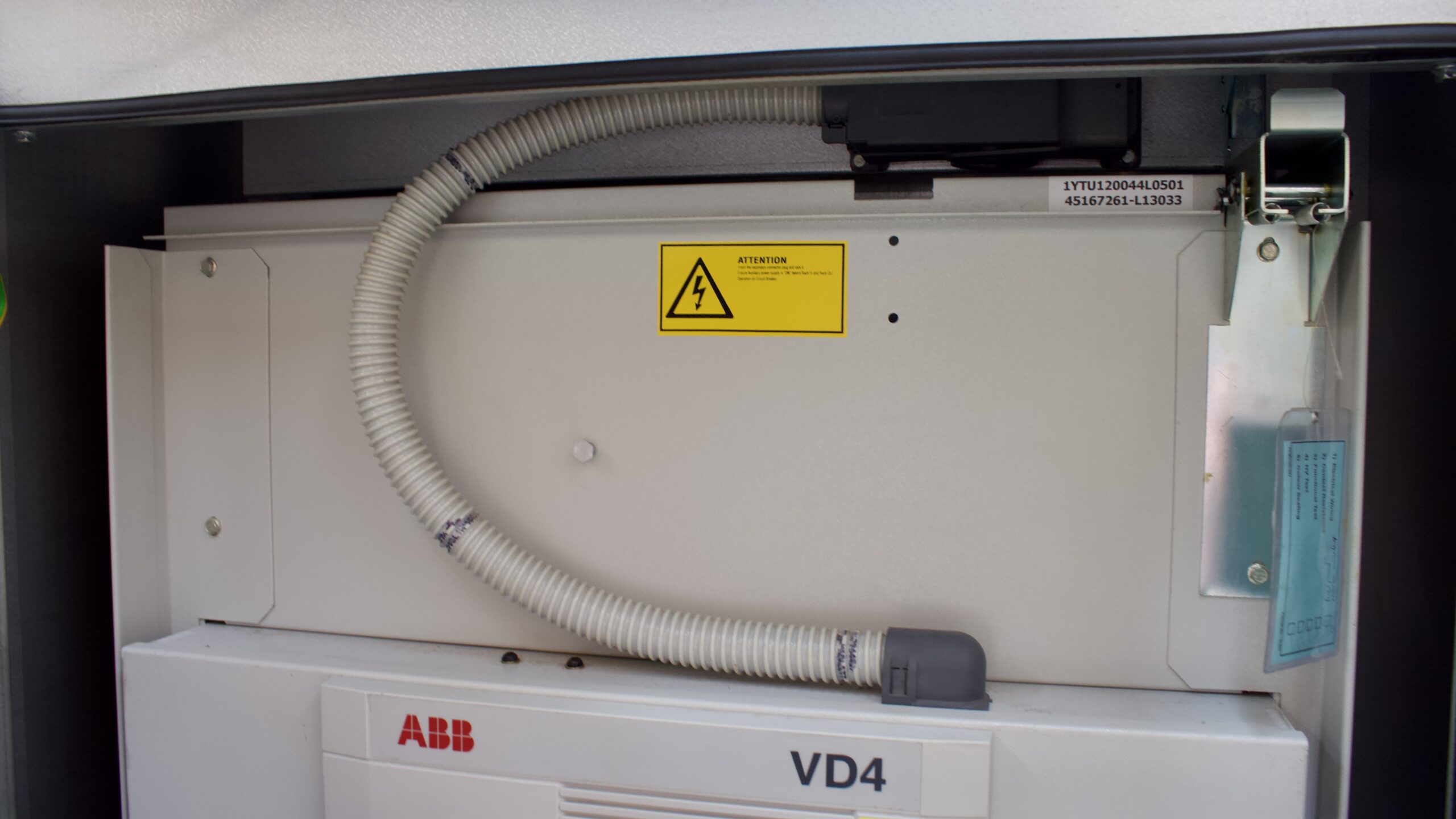
Circuit breakers play a vital role in electrical switchgear systems, ensuring the protection and control of electrical networks. One of the critical decisions when designing or upgrading switchgear is choosing between fixed and withdrawable circuit breakers. Each type has its advantages and is suited for different applications. The choice depends on various factors, including reliability, maintenance requirements, operational flexibility, and cost.

Voltage transformers (VTs), also known as potential transformers (PTs), are essential components in electrical power systems, particularly in protective relay systems. They play a crucial role in safeguarding critical infrastructure by providing accurate voltage measurements necessary for the operation of relays and other protective devices.

Aging switchgear is a critical concern in power systems as it directly impacts the reliability, efficiency, and safety of electrical distribution networks. Switchgear, composed of circuit breakers, disconnect switches, and other protective devices, serves to control and protect electrical systems. As infrastructure ages, maintaining or improving switchgear performance becomes essential to avoid costly downtimes, reduce risks, and meet evolving regulatory and technical standards.

Transformers are critical assets in power systems, and ensuring their safety and reliability is essential for uninterrupted power supply. Transformer protection and safety equipment vary based on the type, capacity, and operational environment of the transformer. Here is an overview of protection equipment for oil-filled transformers and cast resin dry transformers, and the rationale behind each.
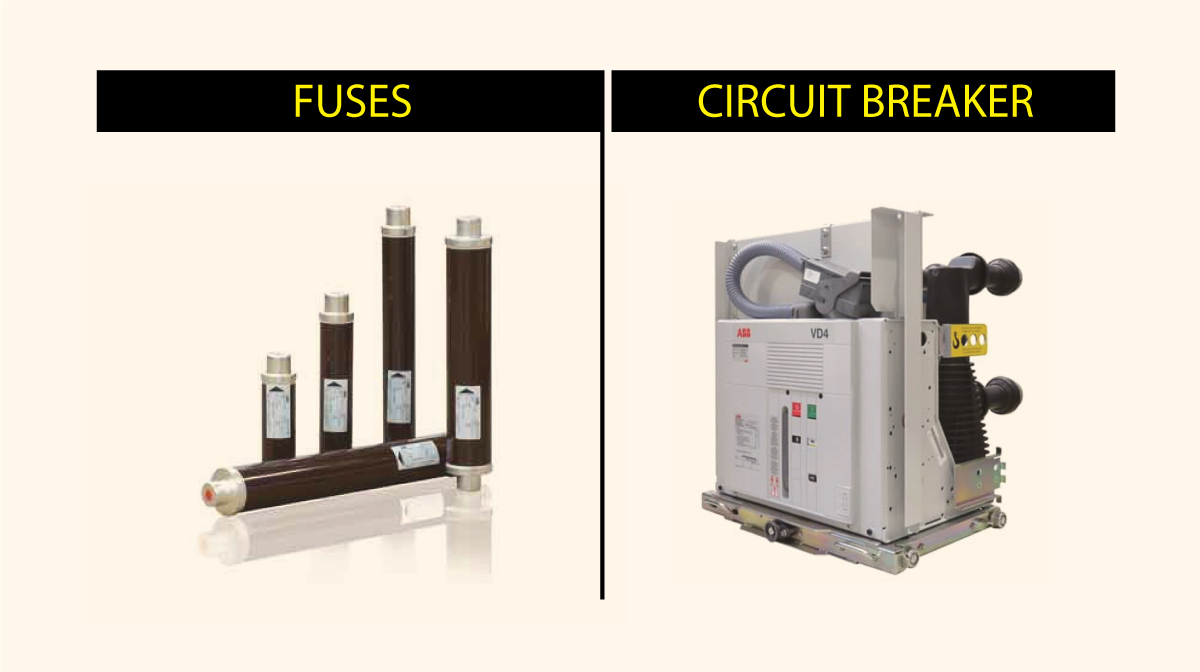
Electrical systems require robust protection mechanisms to ensure safety and reliability. Two primary devices used for this purpose are fuses and circuit breakers. Both serve to protect electrical circuits from overcurrent, but they operate differently and are suited to different applications. This article explores the differences between fuses and circuit breakers, their applications, and their benefits compared to alternatives.