


Retrofitting lighting systems is an essential component of energy efficiency and infrastructure modernization in both commercial and industrial environments. Lighting accounts for a significant portion of electricity consumption, especially in large facilities such as factories, offices, and public infrastructure. Retrofit solutions offer cost-effective strategies to reduce energy usage, improve lighting quality, and minimize operational expenses without the need for complete system overhauls.
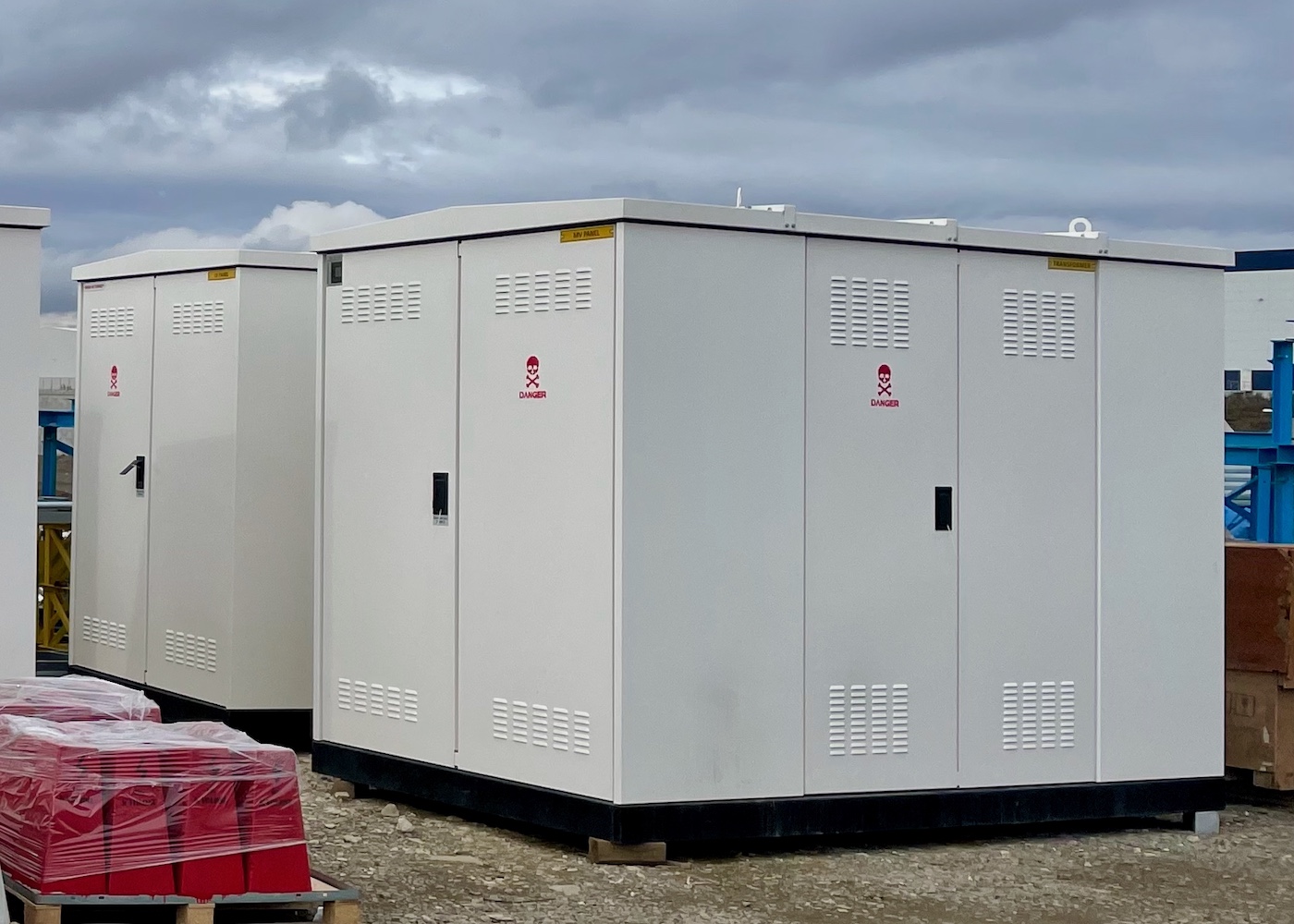
In the power industry, reliability and continuity of electrical supply are crucial for industrial, commercial, and residential consumers. However, unforeseen emergencies such as natural disasters, equipment failures, or infrastructure upgrades can lead to unexpected power outages. Mobile prefabricated substations serve as an efficient and flexible solution for restoring power in such scenarios
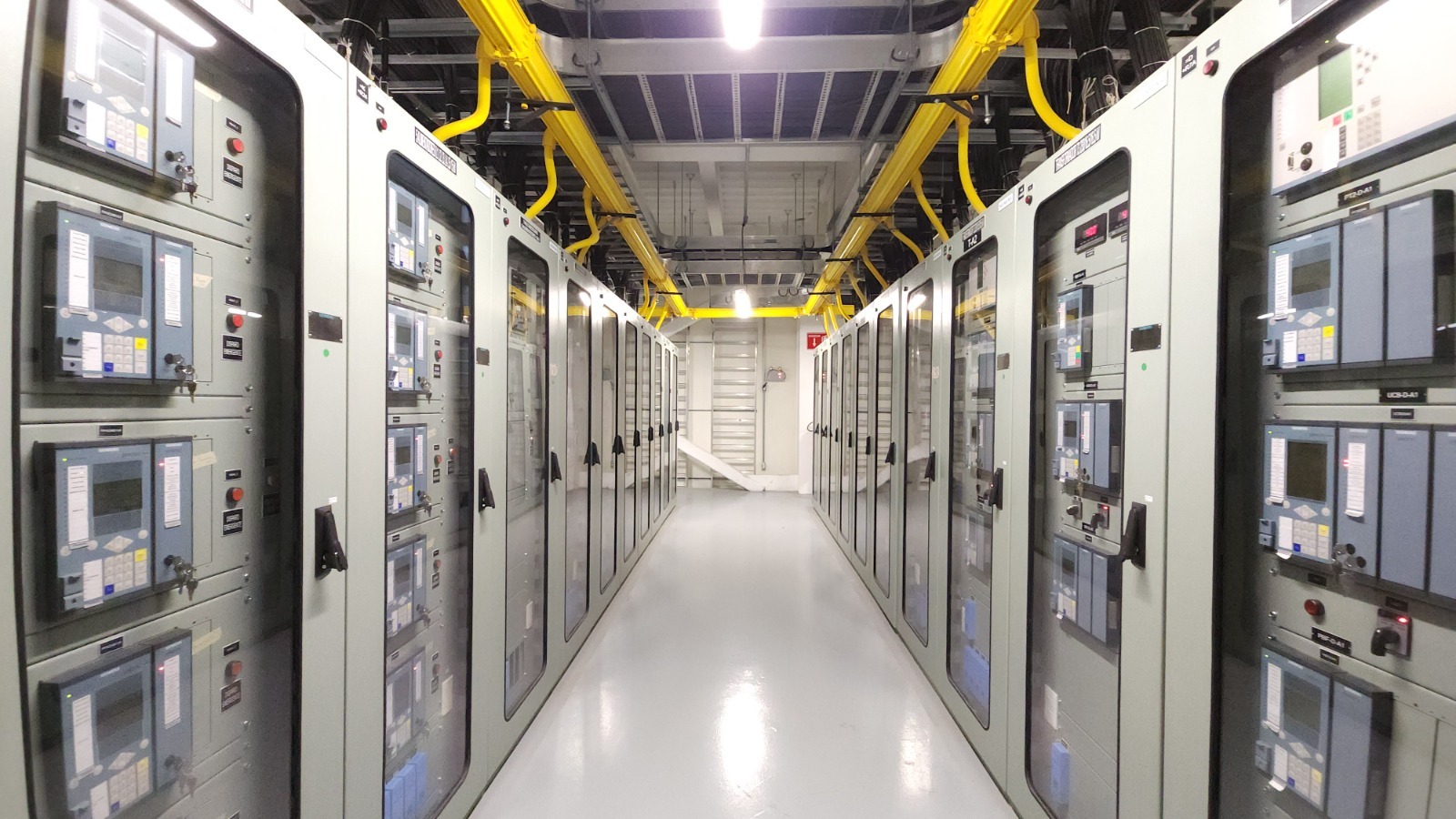
In modern electrical power systems, integrating Low Voltage (LV) boards with Supervisory Control and Data Acquisition (SCADA) systems is essential for efficient real-time monitoring and control. This process enhances system reliability, optimizes energy usage, and improves operational decision-making.

Energy efficiency is a key driver for sustainability, cost reduction, and operational optimization in industries, commercial buildings, and residential facilities. An energy audit is a systematic approach to assessing energy consumption, identifying inefficiencies, and proposing cost-effective solutions to enhance energy savings. This article explores energy audit methodologies, essential tools, and strategies to maximize energy savings.