



Power Factor Correction (PFC) is a critical technique in electrical power systems used to improve the efficiency of power utilization and reduce energy losses. In industrial and commercial installations, where inductive loads such as motors, transformers, and fluorescent lighting are prevalent, poor power factor is a common issue that leads to higher currents, increased losses, and unnecessary costs.
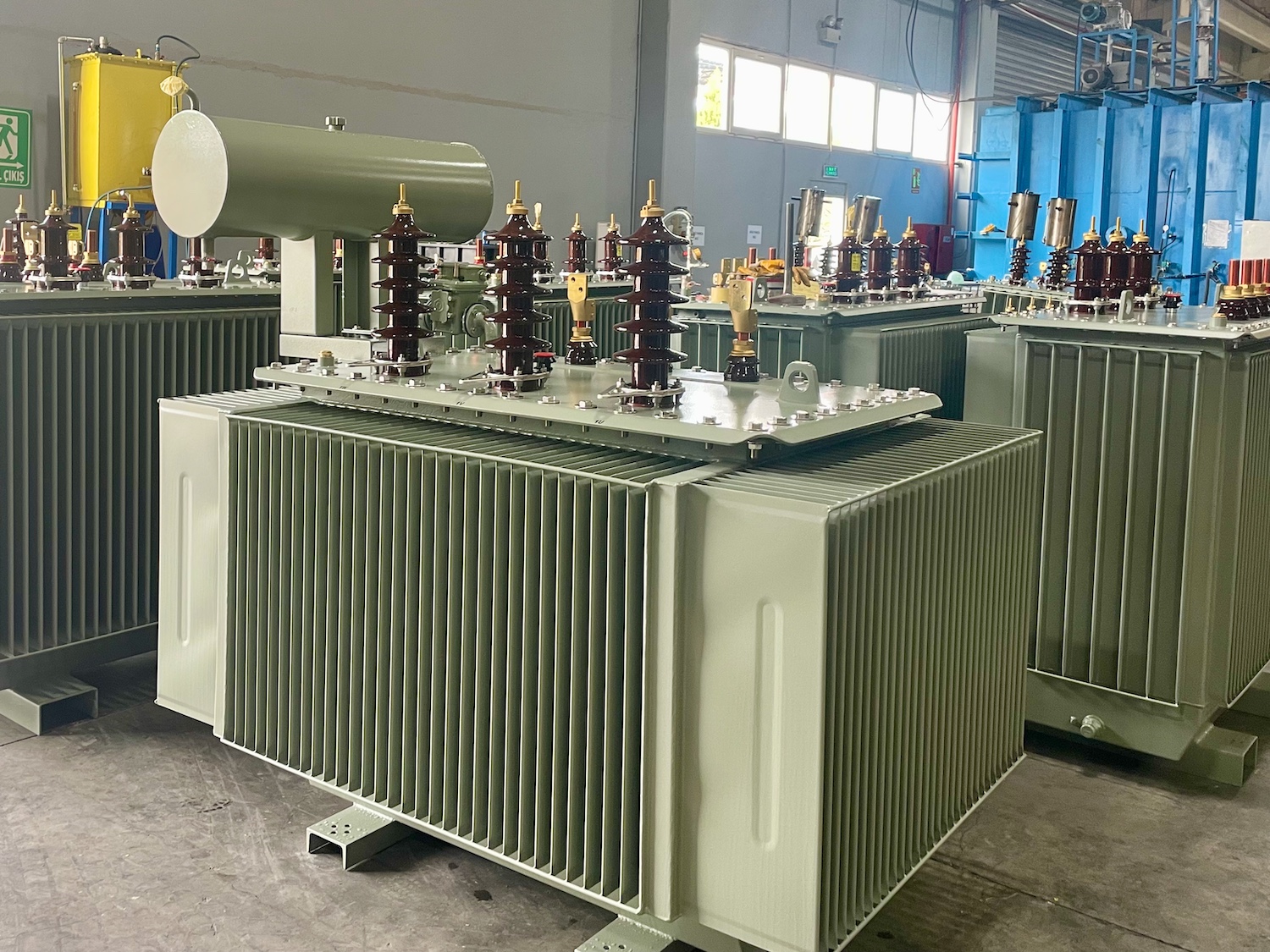
Medium voltage (MV) transformer design and selection is a critical aspect of power system engineering, directly influencing system reliability, efficiency, and lifecycle cost. Typically operating in the range of 1 kV to 36 kV, MV transformers are widely used in industrial facilities, commercial complexes, renewable energy plants, and utility distribution networks. Selecting the right transformer requires a structured evaluation of load characteristics, system requirements, and environmental conditions.
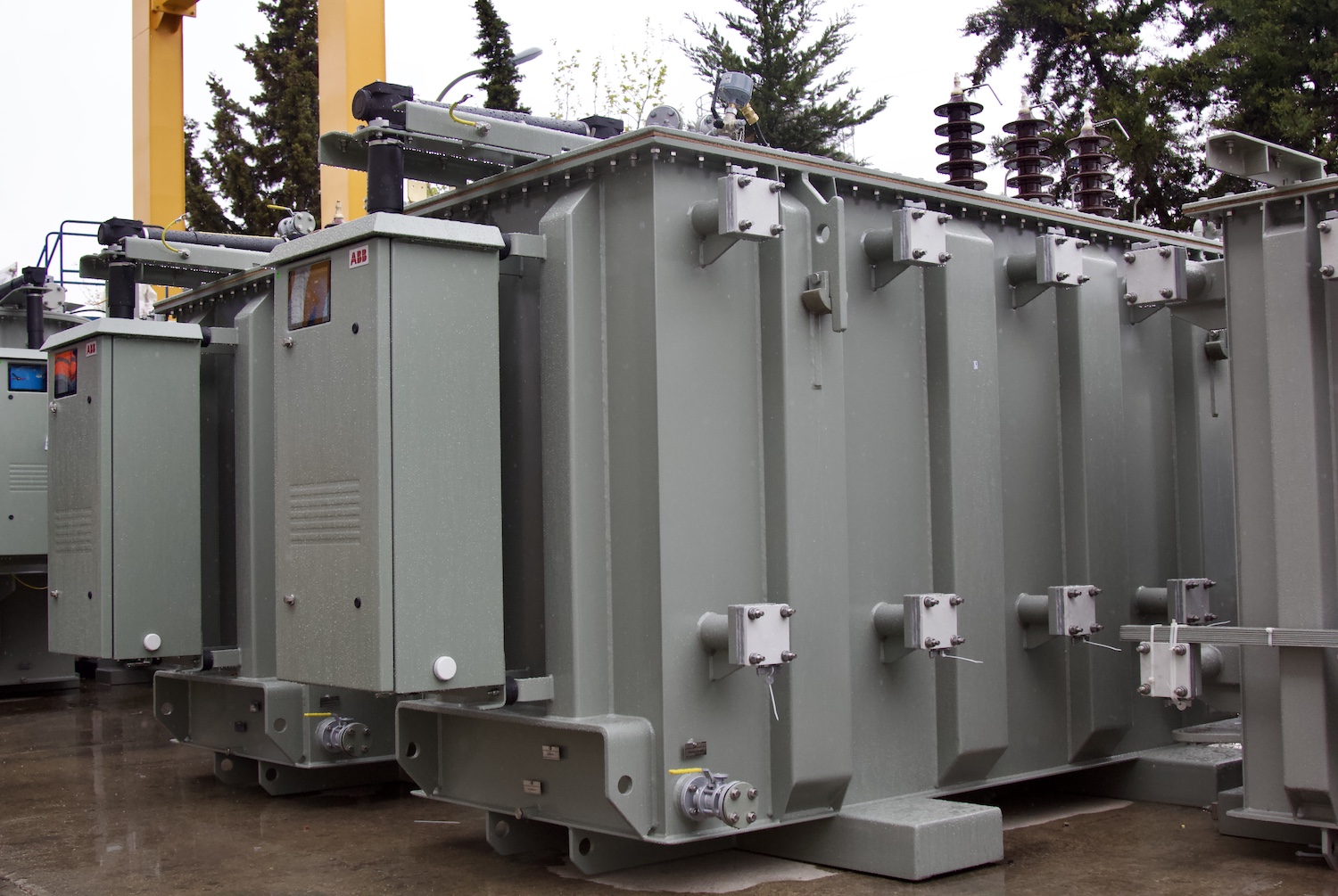
Voltage regulation in transformers is critical to ensuring stable and efficient operation in electrical power systems. Variations in load or supply voltage can lead to deviations from the desired voltage levels, potentially impacting the reliability and performance of equipment and infrastructure. Two primary techniques for regulating transformer voltage are On-Load Tap Changers (OLTC) and Off-Load Tap Changers (Off-Load Options).