


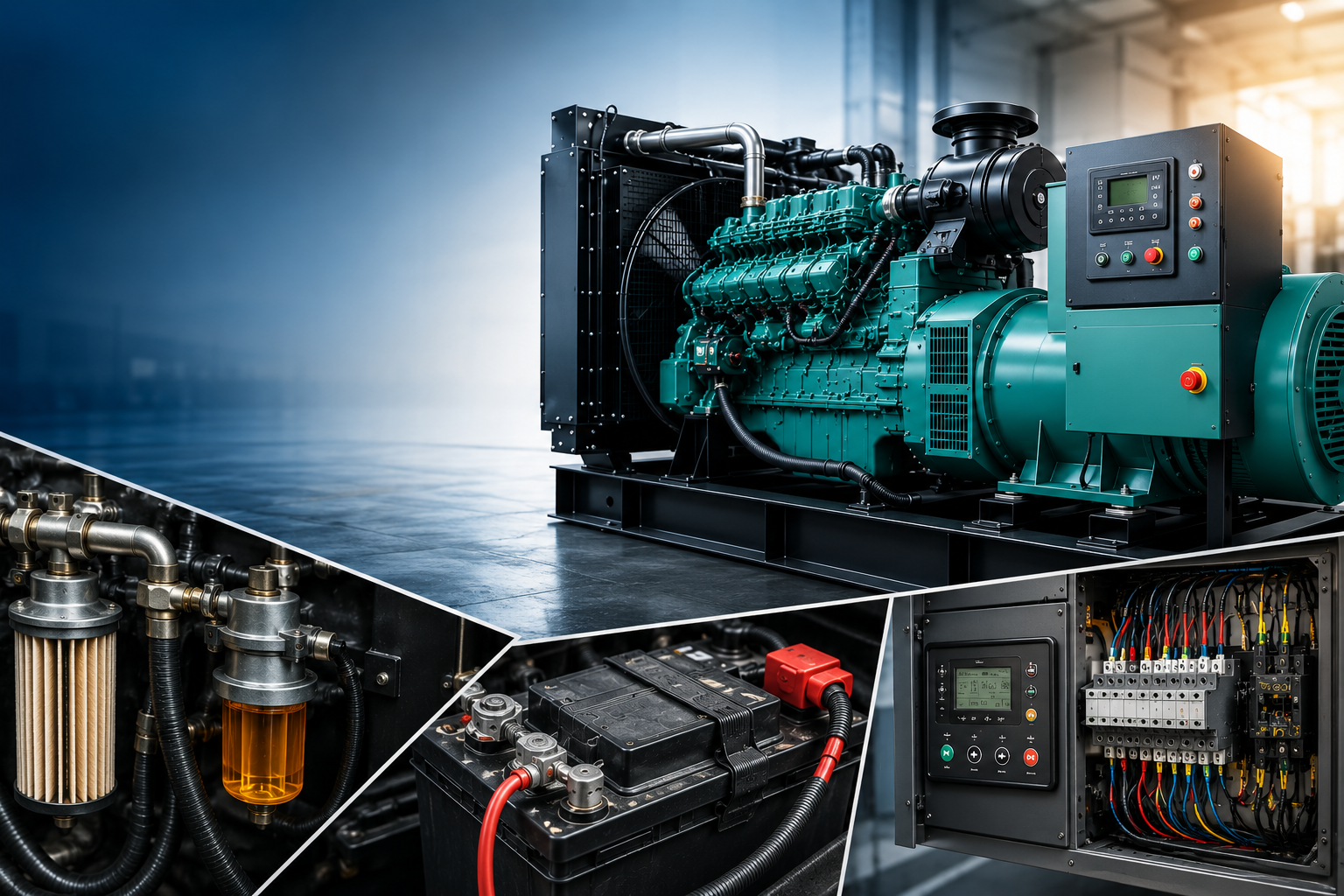
Standby and prime power generators are critical assets for hospitals, manufacturing facilities, data centers, commercial buildings, and utility infrastructure. Despite their robust construction, generators often fail when they are needed most—not because of catastrophic mechanical damage, but due to neglected maintenance or seemingly minor faults. Industry experience consistently shows that fuel system problems, battery failures, and control system issues account for the majority of unexpected generator outages.

Switchgears form the protective backbone of electrical power systems, ensuring safe isolation, control, and fault clearing across low- and medium-voltage networks. Their reliability depends heavily on correct installation, proper design selections, and disciplined maintenance. Among all failure sources, poor installation practices consistently rank as the leading root cause—causing defects that later evolve into thermal, mechanical, and insulation failures.
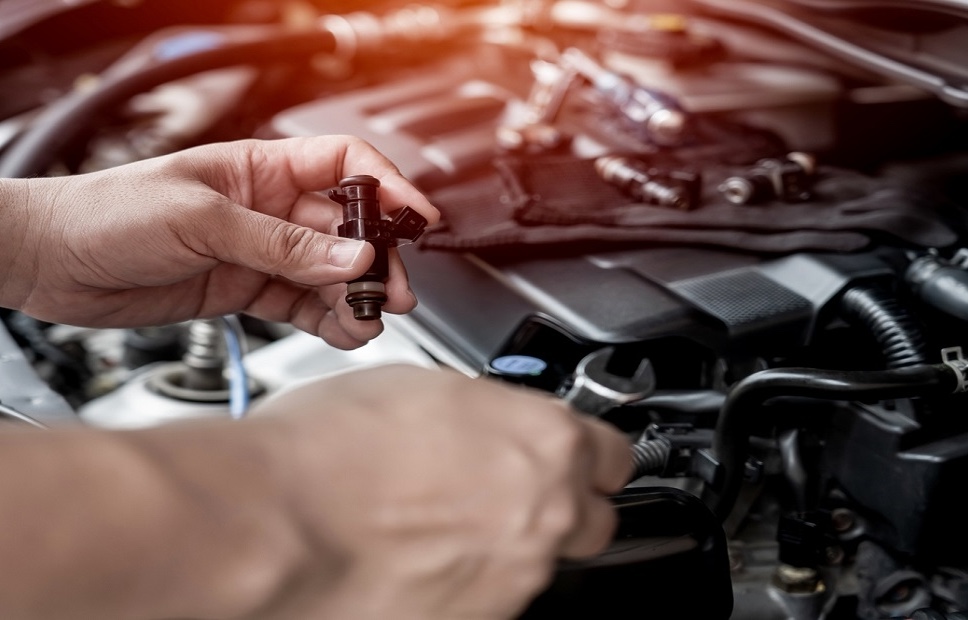
Generators play a critical role in ensuring power continuity, especially in industrial, commercial, and emergency settings. Despite their importance, generator systems can fail due to several common issues. Among the leading causes of generator failure are fuel system problems, battery-related failures, and control system faults. Understanding these issues and how to prevent them is essential for maintaining reliable operation.

As June begins, many regions around the globe enter their most demanding energy season. Rising temperatures bring increased use of HVAC systems, refrigeration, and cooling equipment—especially in industrial and commercial environments. For electrical engineers and facility managers, this means one thing: your systems must be ready for peak load performance.

Prefabricated substations are critical components of modern power distribution systems, particularly in industries, urban centers, and remote areas. These modular units house essential electrical equipment like transformers, switchgear, control systems, and LV panels, providing an efficient and compact solution for energy distribution. Routine maintenance is vital to ensure their reliability, longevity, and efficiency.