


Value engineering (VE) is a systematic and disciplined approach aimed at enhancing the value of a project by evaluating functions and identifying opportunities to reduce costs while maintaining or improving safety, reliability, and performance. In electrical engineering projects, VE is especially crucial due to the high capital investments and the need for long-term operational efficiency. The goal is not simply cost-cutting but optimizing solutions to deliver the best value over the project lifecycle.
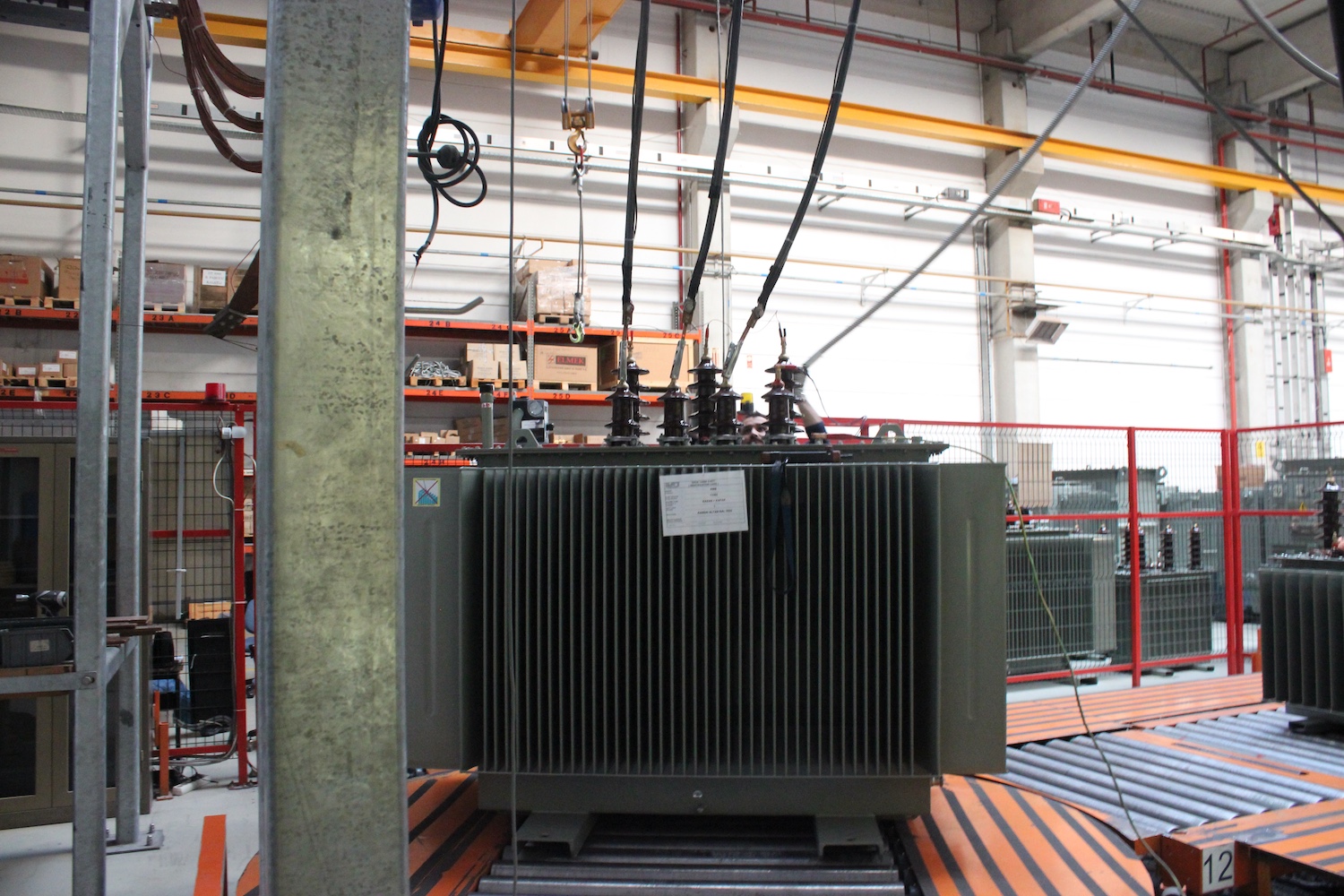
Factory Acceptance Testing (FAT) is a crucial phase in the lifecycle of a power transformer, conducted at the manufacturer’s facility before the equipment is shipped to the project site. FAT ensures that the transformer meets the design specifications, contractual requirements, and relevant international standards such as IEC 60076 or IEEE C57.12. Testing at this stage significantly reduces the risk of failures during commissioning or operation, which could lead to costly delays or damage.
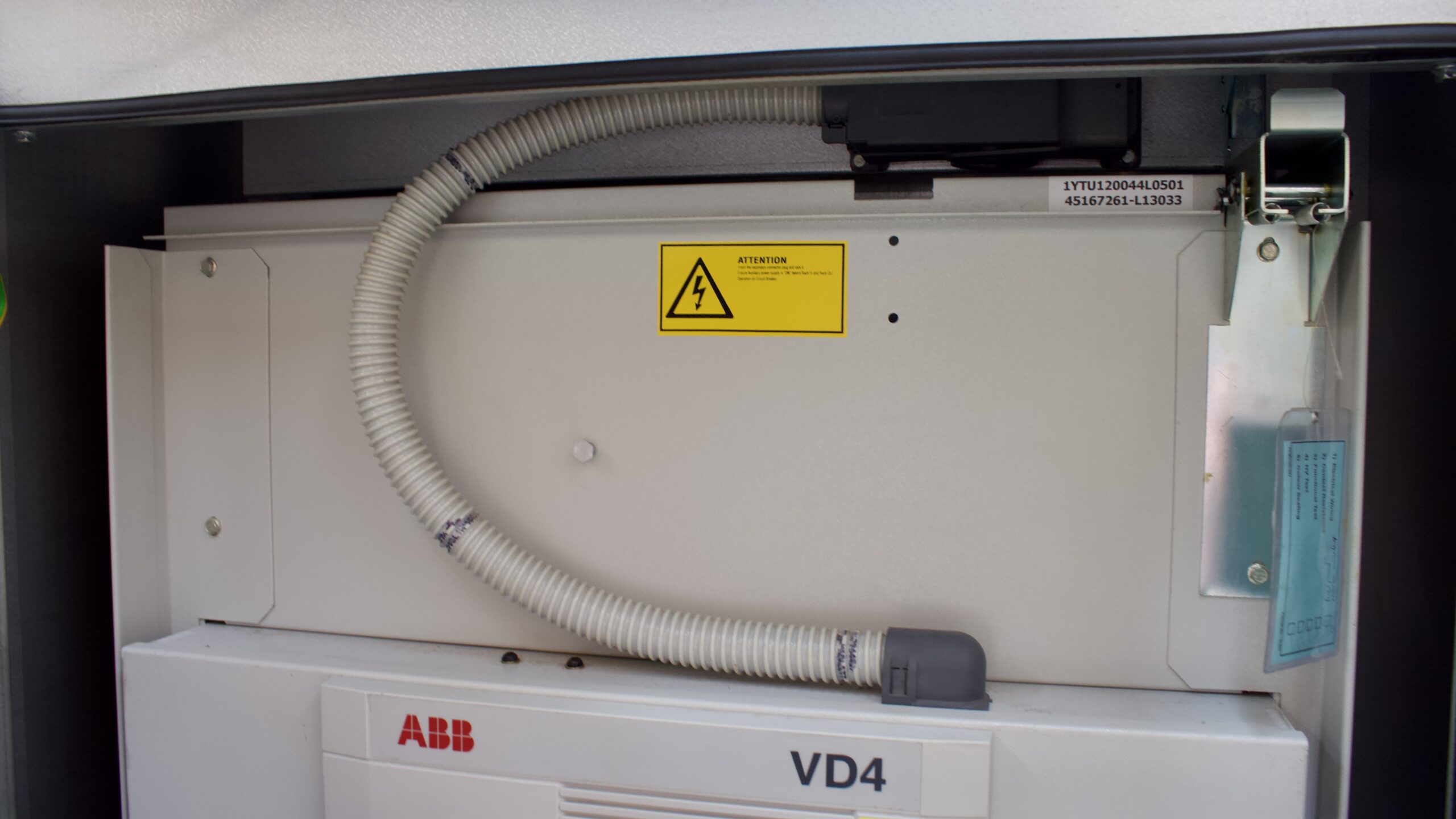
Circuit breakers play a vital role in electrical switchgear systems, ensuring the protection and control of electrical networks. One of the critical decisions when designing or upgrading switchgear is choosing between fixed and withdrawable circuit breakers. Each type has its advantages and is suited for different applications. The choice depends on various factors, including reliability, maintenance requirements, operational flexibility, and cost.