


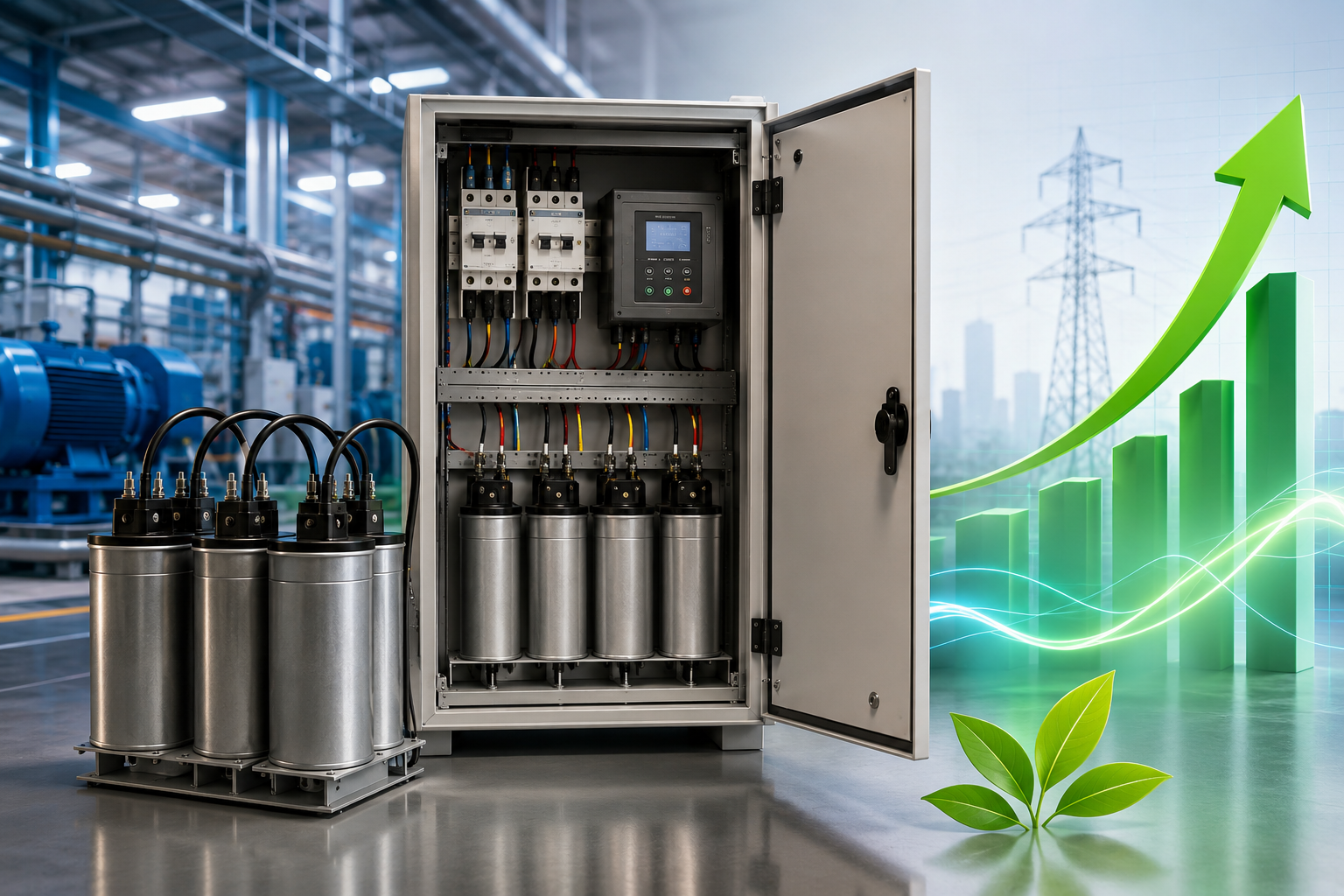
Power Factor Correction (PFC) is a critical technique in electrical power systems used to improve the efficiency of power utilization and reduce energy losses. In industrial and commercial installations, where inductive loads such as motors, transformers, and fluorescent lighting are prevalent, poor power factor is a common issue that leads to higher currents, increased losses, and unnecessary costs.

In electrical power systems, Current Transformers (CTs) and Voltage Transformers (VTs) — collectively known as instrument transformers — play a vital role in both metering and protection. They form the bridge between high-voltage power circuits and low-voltage measuring and protection devices, enabling safe, accurate, and reliable system operation.

Battery Energy Storage Systems (BESS) are pivotal in modern power systems, offering flexibility, reliability, and resilience to both utility-scale and distributed energy networks. Whether used for backup power or grid support, the design of a BESS must be tailored to its application, environment, and operational objectives. Here are the key design considerations that engineers must evaluate.

In modern industrial power systems, ensuring continuous and reliable electrical service is paramount, especially when supplying sensitive and critical loads such as data centers, pharmaceutical plants, semiconductor fabrication facilities, and heavy industrial processes. Any momentary interruption or prolonged outage can result in significant financial losses, safety risks, and compromised product quality. One of the key protective devices employed to enhance system reliability and minimize service interruptions is the recloser.

As June begins, many regions around the globe enter their most demanding energy season. Rising temperatures bring increased use of HVAC systems, refrigeration, and cooling equipment—especially in industrial and commercial environments. For electrical engineers and facility managers, this means one thing: your systems must be ready for peak load performance.

Uninterruptible Power Supply (UPS) systems play a crucial role in ensuring the continuous operation of electrical equipment by providing backup power during outages and protecting against power quality issues. There are three main types of UPS systems: Offline, Line-Interactive, and Online. Each type has distinct features suited for different applications.

A reliable power supply is critical in today’s world, especially in environments where continuity and quality of electricity are paramount, such as data centers, hospitals, and industrial facilities. Uninterruptible Power Supply (UPS) systems play a vital role in ensuring the stability and reliability of power, acting as a bridge between the primary power source and critical loads when disruptions occur.