


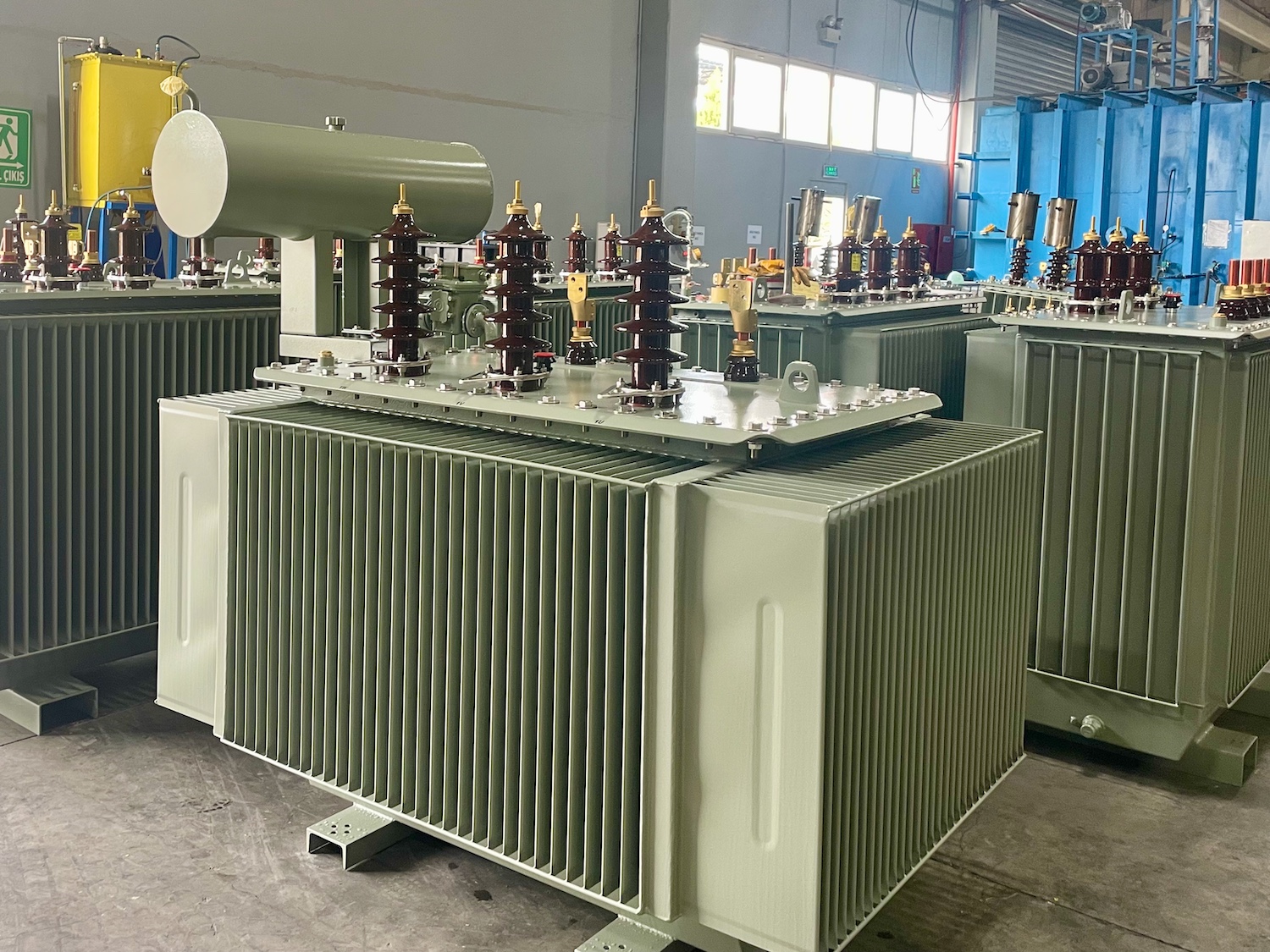
Medium voltage (MV) transformer design and selection is a critical aspect of power system engineering, directly influencing system reliability, efficiency, and lifecycle cost. Typically operating in the range of 1 kV to 36 kV, MV transformers are widely used in industrial facilities, commercial complexes, renewable energy plants, and utility distribution networks. Selecting the right transformer requires a structured evaluation of load characteristics, system requirements, and environmental conditions.

Cable termination kits play a critical role in the reliability and safety of electrical power systems. They provide the necessary insulation, mechanical protection, and environmental sealing at the point where cables connect to electrical equipment such as switchgear, transformers, and motors. However, improper installation of cable termination kits remains one of the most common causes of insulation failure, overheating, and premature equipment outages in medium- and high-voltage systems.

Prefabricated substations are critical components of modern power distribution systems, particularly in industries, urban centers, and remote areas. These modular units house essential electrical equipment like transformers, switchgear, control systems, and LV panels, providing an efficient and compact solution for energy distribution. Routine maintenance is vital to ensure their reliability, longevity, and efficiency.

Aging switchgear is a critical concern in power systems as it directly impacts the reliability, efficiency, and safety of electrical distribution networks. Switchgear, composed of circuit breakers, disconnect switches, and other protective devices, serves to control and protect electrical systems. As infrastructure ages, maintaining or improving switchgear performance becomes essential to avoid costly downtimes, reduce risks, and meet evolving regulatory and technical standards.