


Protective relays are critical components in electrical power systems, acting as the “nervous system” that detects faults and initiates rapid isolation of affected sections. Their primary purpose is to safeguard power system equipment, maintain system stability, and ensure personnel safety by preventing damage and limiting fault propagation.

Battery Energy Storage Systems (BESS) are pivotal in modern power systems, offering flexibility, reliability, and resilience to both utility-scale and distributed energy networks. Whether used for backup power or grid support, the design of a BESS must be tailored to its application, environment, and operational objectives. Here are the key design considerations that engineers must evaluate.
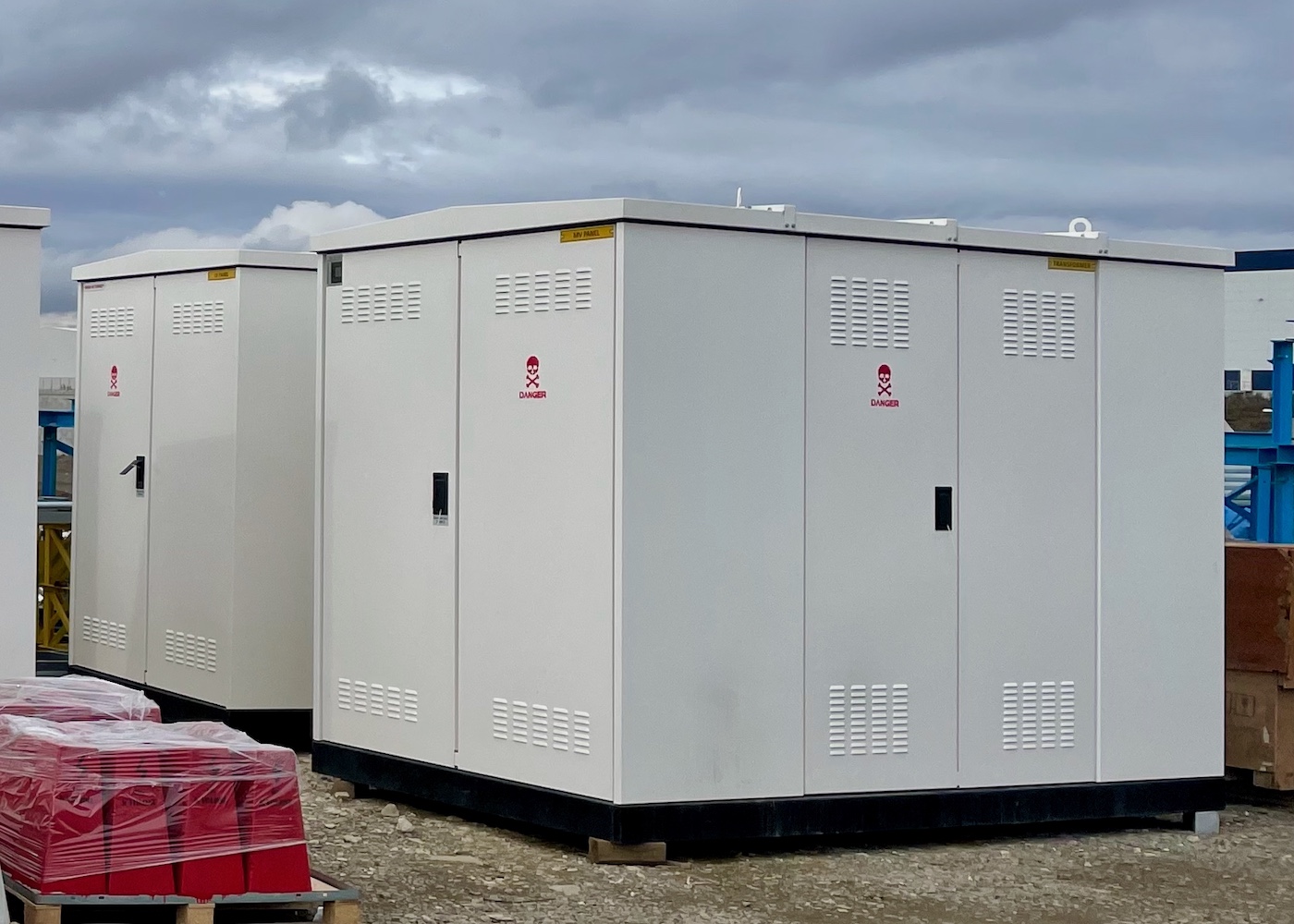
In the power industry, reliability and continuity of electrical supply are crucial for industrial, commercial, and residential consumers. However, unforeseen emergencies such as natural disasters, equipment failures, or infrastructure upgrades can lead to unexpected power outages. Mobile prefabricated substations serve as an efficient and flexible solution for restoring power in such scenarios

Voltage transformers (VTs), also known as potential transformers (PTs), are essential components in electrical power systems, particularly in protective relay systems. They play a crucial role in safeguarding critical infrastructure by providing accurate voltage measurements necessary for the operation of relays and other protective devices.