
SOLUTION 06 / 06
Lighting & Infrastructure
INDOOR · INDUSTRIAL · OUTDOOR · ROADWAY · SOLAR · EMERGENCY · CONTROLS
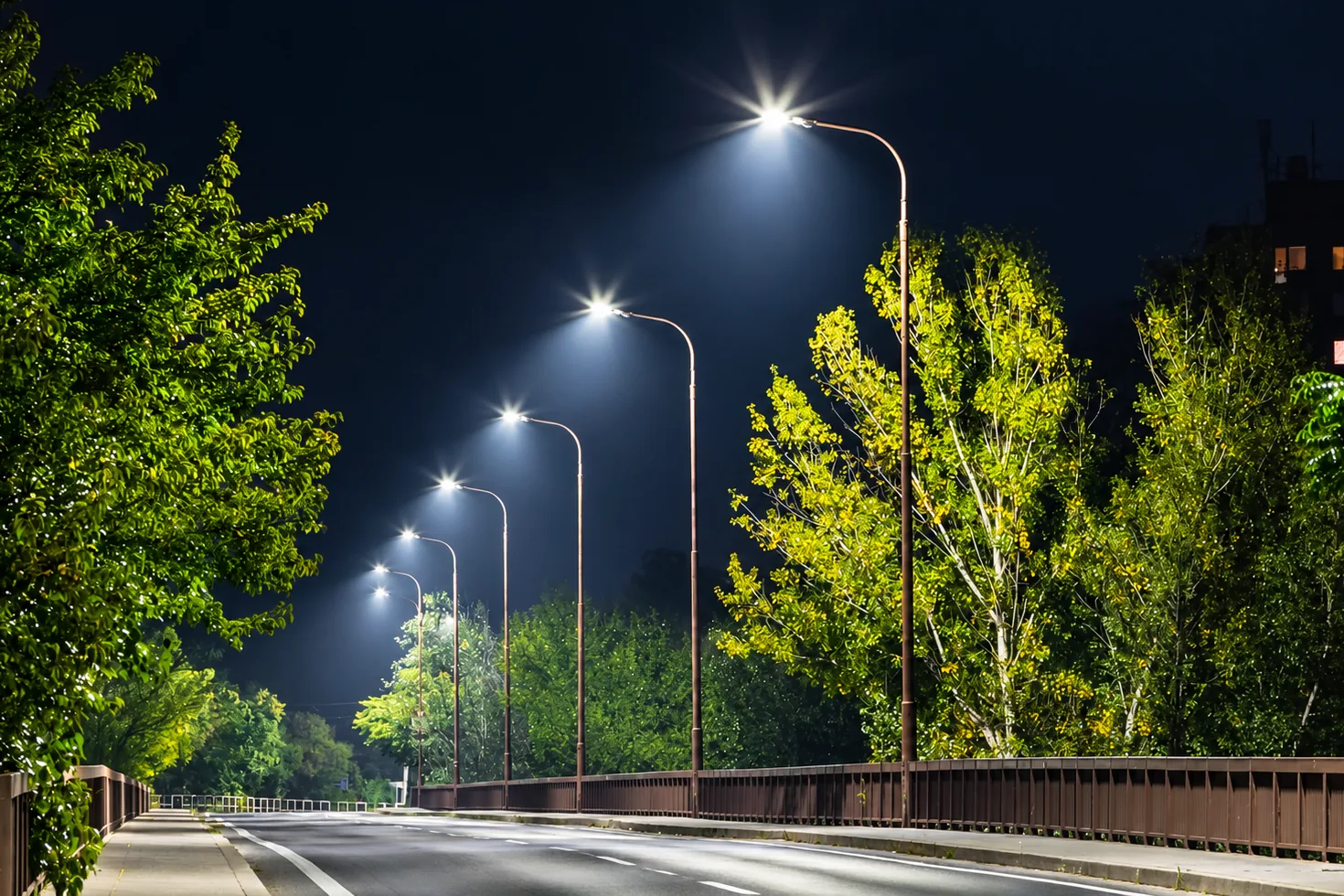
Indoor, industrial, outdoor, street, solar and emergency lighting, with the poles, controls and supply equipment around them, sourced from established manufacturers and coordinated through AdepaTrade around your project’s lighting requirement.
Luminaires are selected to the photometric design, the environment they work in and how they will be controlled, then compared across international and Türkiye-based manufacturers against the same requirement. Each luminaire, pole and control system is built by its manufacturer.
The infrastructure around the luminaires is sourced with them: poles, brackets and mounting accessories, drivers and controls, and the associated electrical supply equipment such as feeder pillars, coordinated with the rest of your electrical supply through one sourcing relationship.
EQUIPMENT SCOPE
Lighting systems we source
Seven equipment groups, each selected to the project’s lighting design, environment and control requirements.
INDOOR AND COMMERCIAL
01
Indoor and Commercial Lighting
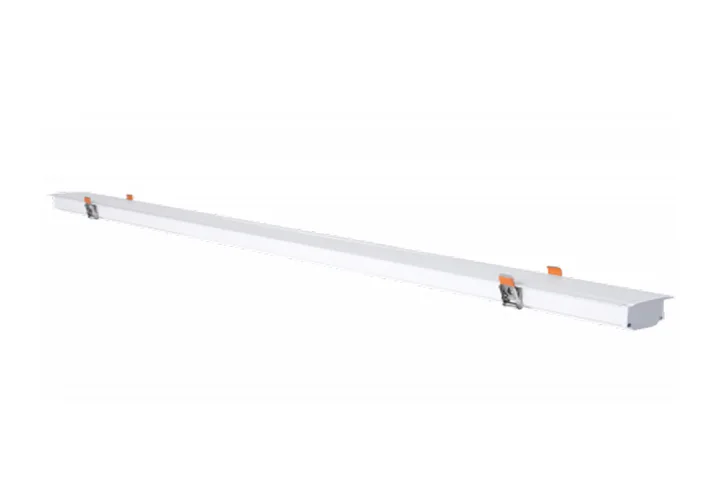
Panels, downlights, linear and track luminaires for offices, education, healthcare, retail and public buildings.
INDUSTRIAL
02
Industrial and High-Bay Lighting
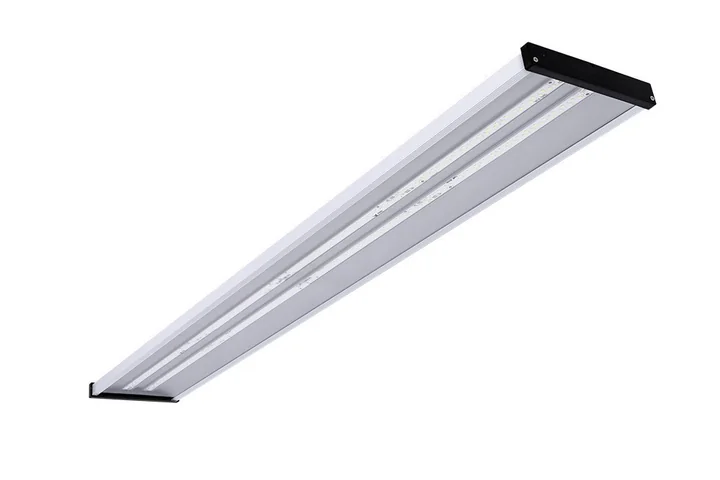
High-bay, linear and waterproof luminaires for factories, warehouses and plant rooms. Hazardous-area luminaires are sourced project by project, subject to suitable certification and availability.
OUTDOOR AND ARCHITECTURAL
03
Outdoor and Architectural Lighting
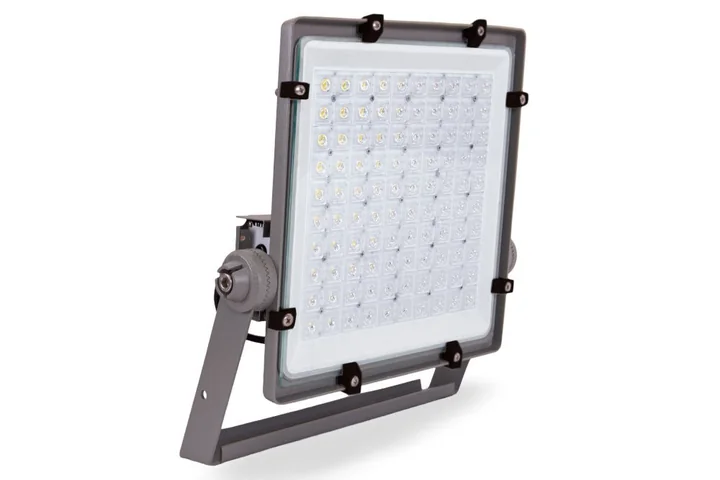
Floodlights, area, façade and landscape luminaires for yards, car parks, ports, sports grounds, building exteriors and public spaces.
STREET AND ROADWAY
04
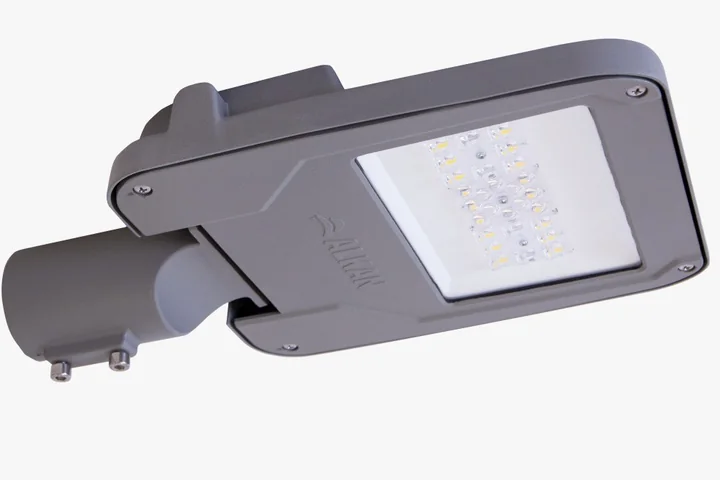
Street and Roadway Lighting
Road, street and tunnel luminaires with optics selected to the road class, mounting height and spacing set by the lighting design.
SOLAR
05
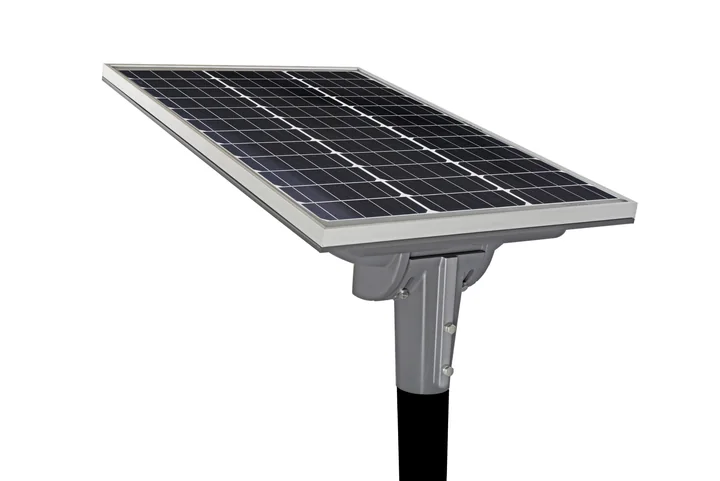
Solar Street Lighting
All-in-one and split solar luminaires with panel, battery and controller, for roads, paths and sites without a grid connection.
EMERGENCY AND EXIT
06
Emergency Lighting and Illuminated Exit Signs
Self-contained and centrally supplied emergency luminaires and illuminated exit signs for escape routes, open areas and high-risk task areas, with test and monitoring options.
Emergency luminaires
Illuminated exit signs
Test and monitoring
CONTROLS AND INFRASTRUCTURE
07
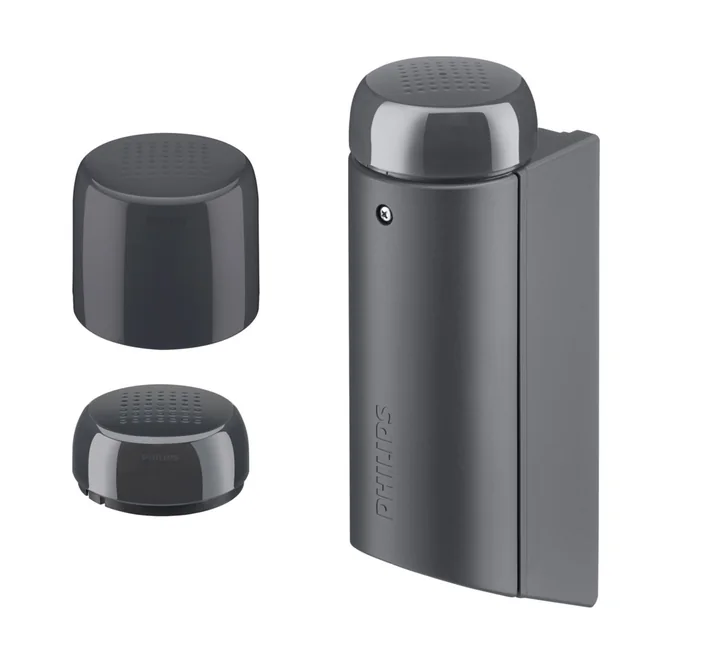
Controls and Related Infrastructure Accessories
Poles, brackets and mounting accessories, drivers, sensors and control nodes, central management systems, and associated supply equipment such as feeder pillars.
APPLICATIONS
Where lighting is specified
General applications; each system is configured to its project.
Commercial and public buildings
Offices, schools, hospitals and retail, with emergency lighting, exit signs and building controls.
Industrial and logistics
Factories, warehouses and plant rooms, including high-bay, waterproof and hazardous-area lighting.
Roads, streets and urban areas
Road, street, tunnel, public-space and architectural lighting to the specified lighting classes.
Sites, yards and sports grounds
Floodlighting for ports, yards, car parks, perimeters and sports facilities.
Off-grid and remote sites
Solar street and area lighting where a grid connection is unavailable or uneconomic.
SPECIFICATION
Information that shapes a lighting quotation
Each system combines the values its project needs; not every option applies to every luminaire. The more of the following a requirement states, the more precisely options can be compared.
Parameter
What it means
Typical specification
Lighting requirement
The illuminance, uniformity and glare limits each area must meet.
Target illuminance in lux, or road and area lighting classes, as set by the project’s lighting design.
Photometry and optics
How each luminaire distributes light.
Beam or road optics selected per area, with photometric data files (LDT or IES) for design checks.
Luminous flux and efficacy
Light output and how efficiently it is produced.
Luminous flux in lumens and efficacy in lm/W, per the manufacturer’s data.
Colour
Colour temperature and colour rendering.
Colour temperature in kelvin, for example warm or neutral white, and a minimum colour rendering index as specified.
Environment and protection
Dust, water, impact, corrosion and ambient temperature at the location.
IP and IK ratings matched to the environment; corrosion-resistant finishes for coastal or industrial sites; for hazardous areas, luminaires with suitable certification for the zone, subject to availability.
Electrical and supply
Supply voltage, power, surge protection, and the supply equipment feeding the lighting.
Rated wattage per luminaire; surge protection suited to outdoor networks; feeder pillars or lighting distribution boards with switching, protection and metering as specified.
Drivers and dimming
The driver and how the luminaire is dimmed or switched.
Fixed output, DALI or 1–10 V dimming, or standard sockets for control nodes.
Controls and monitoring
Sensors, schedules and central management.
Presence and daylight sensors, local controllers or central management systems, as required.
Solar system
For stand-alone lighting: panel, battery and autonomy.
Panel and battery sized to the site’s solar resource, operating profile and the required nights of autonomy (project-dependent).
Poles and mounting
Mounting height, pole type, brackets and mounting accessories.
Pole height, arm length and spigot size matched to the luminaire and the lighting design; pole and foundation design data from the pole manufacturer for the site’s wind conditions.
Emergency lighting
Escape-route, open-area and exit-sign requirements.
Self-contained or central-battery supply, rated duration, maintained or non-maintained operation, and self-test or addressable monitoring as specified.
Testing and documentation
The records each system is supplied with.
Photometric reports, type-test certificates, datasheets and manuals from each manufacturer.
Typical specifications are representative, not ratings of any single model, and are confirmed per project.
INTEGRATED PROJECT SUPPLY
Built around your lighting design
The lighting design decides the supply.
Lighting calculations, luminaire schedules, layouts and site conditions set which luminaires, poles, controls and supply equipment are sourced. Optics, drivers, control nodes, poles and brackets are sourced to work together as specified, and feeder pillars are aligned with the rest of the electrical supply through one point of coordination to delivery.
PHOTOMETRY
Luminaires and optics matched to the design’s lighting levels and uniformity.
ENVIRONMENT
Protection, finish and temperature ratings matched to each location.
CONTROLS
Drivers, sensors and control nodes compatible with the chosen control system.
POLES AND MOUNTING
Poles, arms and brackets matched to the luminaire, mounting height and site.
SOLAR SIZING
Panel, battery and controller matched to the site and the required autonomy.
SUPPLY EQUIPMENT
Feeder pillars and lighting circuits matched to the luminaire loads and control scheme.
DOCUMENTATION
Photometric data, test reports, drawings and manuals from each manufacturer.
AdepaTrade sources and coordinates the supply. Manufacturers make the luminaires, poles, drivers and control systems. Lighting calculations are provided by the manufacturer or the project’s lighting designer.
Foundations, cabling, pole erection, installation and site commissioning are carried out by the project’s appointed contractors and engineers; on request, AdepaTrade can arrange on-site engineering supervision and commissioning support under a separate scope.
SUPPLY NETWORK
Equipment from established manufacturers
Equipment is selected from the manufacturers approved for your project.


PROCUREMENT PROCESS
From enquiry to coordinated supply
01
Technical enquiry
You share lighting calculations, luminaire schedules, layouts, specifications, approved manufacturer lists and delivery requirements.
02
Documentation review
We review luminaire data, optics, protection ratings, controls and poles against your specification.
03
Manufacturer sourcing
We source from the approved manufacturers and request photometric files and alternatives where the specification allows.
04
Technical-commercial clarification
We coordinate drawings for approval, pricing, test requirements, commercial terms and, where the manufacturer offers them and this is agreed, samples. We clarify deviations before order.
05
Coordinated supply
Manufacturing follow-up, test records and agreed documentation, then shipment coordination and delivery.
Our documentation review checks the offer against your specification; lighting design and engineering responsibility remain with the project’s lighting designer and engineers.
PROJECT REQUIREMENT
Tell us what your project requires.
We source the solution.
Send the lighting data you already have. Customers typically submit:
Lighting calculations · Luminaire schedules and layouts · Pole and control requirements · Technical specifications · Approved manufacturer lists · Project location, site conditions and delivery requirements
Or email adepa@adepatrade.com