
SOLUTION 05 / 06
Critical & Backup Power
UPS · GENERATORS · BESS · DC SYSTEMS
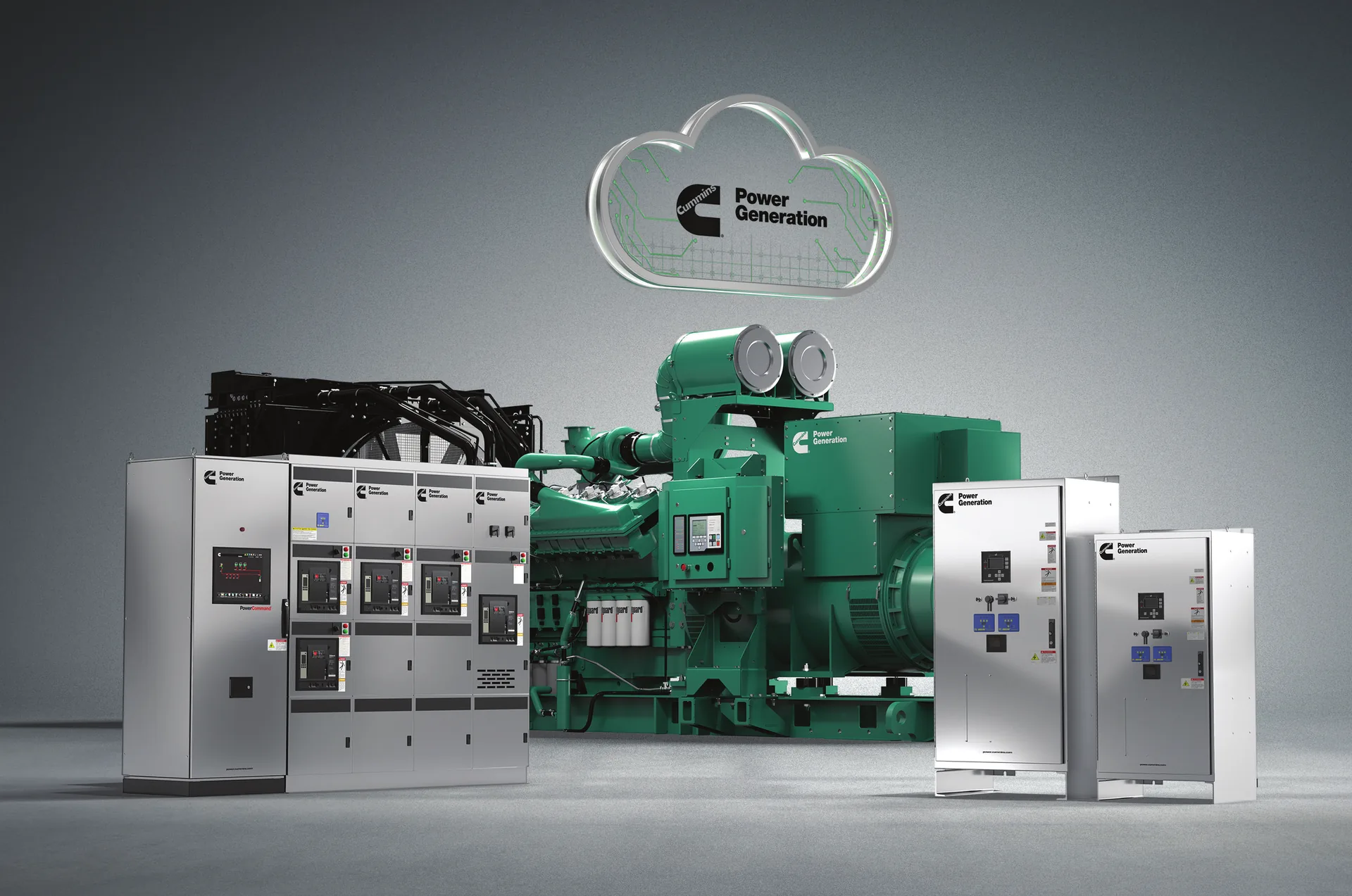
UPS, generator sets, battery energy storage and DC power systems, sourced from established manufacturers and coordinated through AdepaTrade around your project’s continuity requirements.
UPS, generator and storage ratings are selected together, so autonomy and transfer times match the loads you protect. Options are compared across international and Türkiye-based manufacturers against the same requirement; each system is built by its manufacturer or by a qualified packager or integrator.
Transfer, monitoring and distribution interfaces are coordinated with the rest of your electrical supply, so critical power is sourced alongside MV, transformer and LV equipment through one sourcing relationship.
EQUIPMENT SCOPE
Critical-power systems we source
Five equipment families, each selected to the project’s load schedule, continuity requirement and site conditions.
UNINTERRUPTIBLE POWER
01
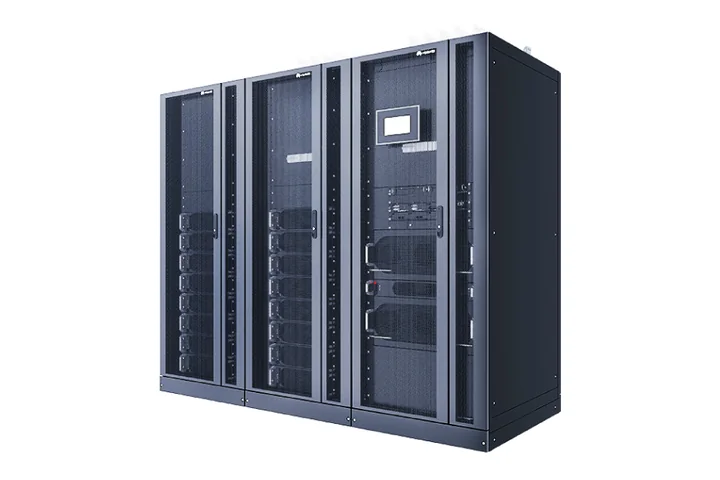
UPS Systems
Online UPS systems that support critical loads through supply disturbances and outages, on battery power for their rated autonomy, until the supply returns or a generator takes over.
STANDBY AND PRIME GENERATION
02
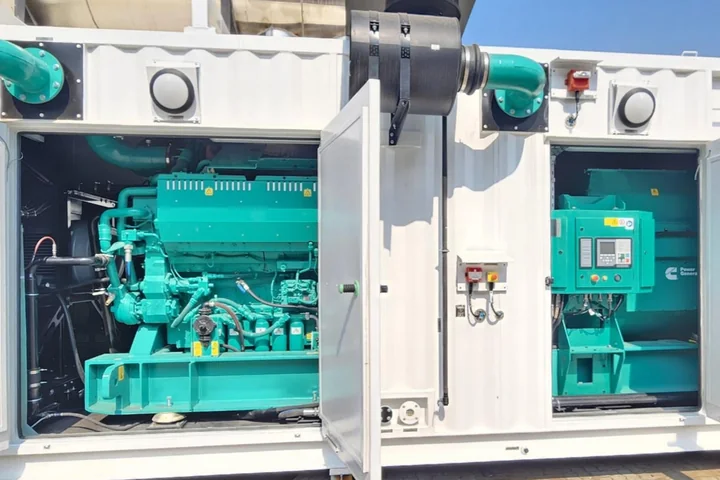
Diesel and Gas Generator Sets
Engine-driven generator sets for standby or continuous supply: open skid, in a sound-attenuated canopy or containerised, with their controller and fuel system.
ENERGY STORAGE
03
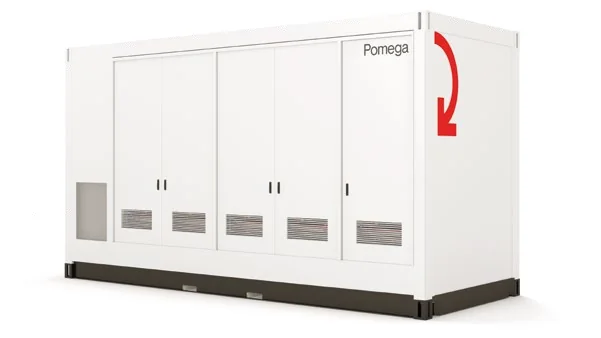
Battery Energy Storage Systems (BESS)
Battery systems with power conversion and energy management that store energy and release it for backup, peak shaving or operation with solar and generators.
DC POWER
04
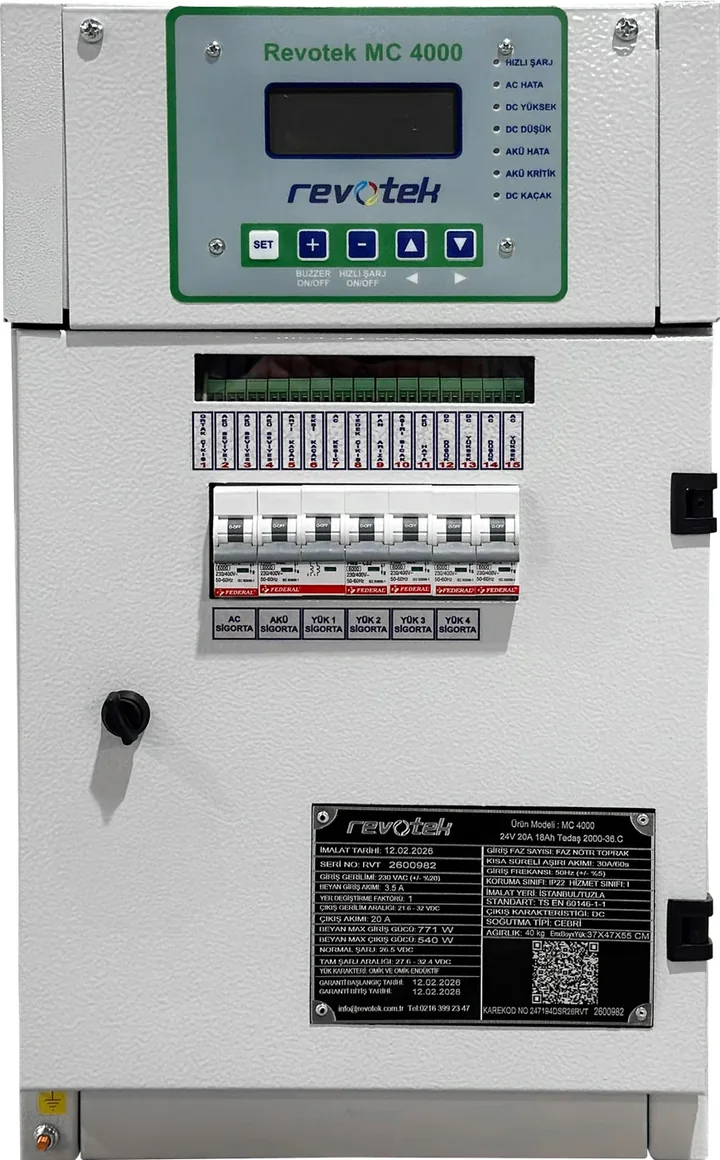
Industrial Rectifiers and DC Systems
Rectifiers, battery chargers and batteries that supply DC control, protection and telecom loads, such as the control supplies of substation switchgear.
TRANSFER AND MONITORING
05
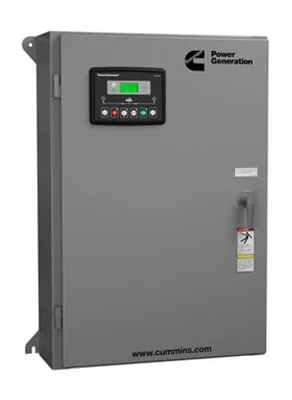
Transfer, Synchronising and Monitoring Equipment
Automatic and static transfer switches, generator synchronising panels and monitoring that connect the sources, move the load between them and report their status.
APPLICATIONS
Where continuity matters
General applications; each system is configured to its project.
Healthcare
UPS for critical medical and IT loads, with standby generators for essential services.
Data centres and telecom
Modular UPS, generator sets and DC power for IT and network equipment.
Industrial and process plants
Backup for controls and critical processes, and DC supplies for switchgear and protection.
Commercial and public buildings
Standby generators and UPS for life-safety systems, lifts, IT and essential services.
Energy, utility and infrastructure sites
Battery storage alongside solar and generators, and DC systems in substations, water and transport sites.
SPECIFICATION
Information that shapes a critical-power quotation
Each system combines the values its project needs; not every option or rating applies to every system. The more of the following a requirement states, the more precisely options can be compared.
Parameter
What it means
Typical specification range
Loads and criticality
Which loads must never be interrupted, which can wait for a generator, and how much power each needs.
Critical, essential and general loads listed separately in kW or kVA, with motor-starting and non-linear loads identified.
UPS rating and autonomy
UPS output power, redundancy and how long the batteries must carry the load.
Rated in kVA or kW; single, parallel or redundant (N+1) arrangements; battery autonomy stated in minutes at a defined load.
Generator rating and duty
Output power, voltage and frequency, fuel, and whether the set runs for standby, prime or continuous duty.
Rated to ISO 8528 duty definitions; LV output, typically 400/230 V at 50 or 60 Hz, or MV output where required; diesel or gas.
Enclosure and site conditions
Open skid, canopy or container, and the ambient temperature, altitude and noise limits at site.
Sound-attenuated canopy or container where noise limits or outdoor siting require it; derating confirmed for ambient temperature and altitude.
Fuel and run time
Fuel type, tank capacity and how long the set must run before refuelling.
Base-frame or external tanks sized to the required run time at the stated load.
Battery and storage
Battery chemistry and capacity for UPS and DC systems; for BESS, usable energy, power and operating role.
UPS batteries VRLA or lithium-ion; BESS energy in kWh or MWh and power in kW or MW, with thermal management and fire protection to the manufacturer’s design.
DC system
DC voltage, rectifier current, battery type and autonomy for control and protection loads.
DC voltages such as 24, 48, 110 or 220 V; lead-acid or nickel-cadmium batteries; redundant rectifiers where required.
Transfer and synchronising
How the load moves between mains, generator, UPS and storage.
Automatic transfer switches for most standby schemes; static transfer switches or generator synchronising panels where the load or redundancy requires them.
Monitoring and communication
Alarms, status and remote monitoring, and signals to building management or SCADA systems.
Status and alarm signals, with communication such as Modbus, as required.
Testing and documentation
The tests and records each system is supplied with.
Manufacturer’s factory tests and test reports; witnessed factory acceptance tests where the project requires them.
Typical ranges are representative, not ratings of any single model, and are confirmed per project.
INTEGRATED PROJECT SUPPLY
Built around your continuity requirement
The load decides the system.
Load schedule, required autonomy, single-line diagram and site conditions set which UPS, generator, storage and DC systems are sourced, and how they connect. Transfer switches, generator controls, UPS and LV distribution are sourced to the transfer sequence defined in your project design, with the interfaces between packages coordinated before order. When these systems are sourced together with the LV distribution and transformer, ratings and interfaces stay aligned through one point of coordination to delivery.
LOAD AND AUTONOMY
UPS and batteries sized to the critical load and the time it must be carried.
GENERATOR SIZING
Generator rating and duty matched to the load, motor starting and the UPS input.
STORAGE INTEGRATION
BESS power, energy and controls matched to its backup, peak-shaving or solar role.
TRANSFER SEQUENCE
Transfer and synchronising equipment sourced to the sequence defined across mains, generator, UPS and storage.
DC SUPPLIES
Rectifier and battery ratings set by the DC loads and the required autonomy.
TESTING AND DOCUMENTATION
Test reports, drawings and manuals from each manufacturer; witnessed tests where required.
AdepaTrade sources and coordinates the supply. Manufacturers build the UPS, engines, alternators, batteries and controls. Generator sets are built by their manufacturer or assembled by a packager on a selected engine, and integrators combine batteries, power conversion and controls into storage and DC systems.
Installation, cabling, fuel and exhaust works and site commissioning are carried out by the project’s appointed contractors and engineers; on request, AdepaTrade can arrange on-site engineering supervision and commissioning support under a separate scope.
SUPPLY NETWORK
Equipment from established manufacturers
Equipment is selected from the manufacturers approved for your project. A generator set packaged on a manufacturer’s engine is assembled by its packager, not by the engine manufacturer.


PROCUREMENT PROCESS
From enquiry to coordinated supply
01
Technical enquiry
You share load schedules, single-line diagrams, required autonomy, specifications, approved manufacturer lists and delivery requirements.
02
Documentation review
We review ratings, autonomy, duty, transfer arrangements and interfaces against your specification.
03
Manufacturer and partner sourcing
We source from the approved manufacturers and, where a system is packaged or integrated, from a suitable packager or integrator.
04
Technical-commercial clarification
We coordinate scope, drawings for approval, pricing, test requirements and commercial terms, and clarify deviations before order.
05
Coordinated supply
Manufacturing follow-up, test records and agreed documentation, then shipment coordination and delivery.
Our documentation review checks the offer against your specification; design approval and engineering responsibility remain with your project engineer.
PROJECT REQUIREMENT
Tell us what your project requires.
We source the solution.
Send the critical-power data you already have. Customers typically submit:
Load schedules · Single-line diagrams · Required autonomy and run times · Technical specifications · Approved manufacturer lists · Project location, site conditions and delivery requirements
Or email adepa@adepatrade.com